
You’ve seen the listings: “Rosewood jewelry box—high-gloss lacquer finish.” Sounds luxurious, right? Warm grain, a mirror shine, the promise of heirloom durability. But after a decade of editing craft reviews and talking to custom woodworkers, I can tell you: that phrase can mean a dozen different things, from a a meaningful price factory spray to a a meaningful price hand-rubbed process. And what people get wrong about rosewood jewelry box lacquer could cost you—either in money or in heartbreak when the finish fails.
I’ve personally tested over 30 rosewood boxes from Etsy makers, antique shops, and mass-retail brands. The biggest surprise? The finish is rarely the star. It’s often the flaw. This breakdown covers the real trade-offs, the test you should run before buying, and the care mistakes that ruin even good lacquer. No fluff—just what matters if you’re buying or owning one.
What is rosewood jewelry box lacquer and how is it different from oil?
Rosewood jewelry box lacquer is a fast-drying, hard finish that forms a protective film over the wood. Unlike tung oil or Danish oil, which soak into the grain and leave it matte or satin, lacquer sits on top. The result can be a high-gloss mirror surface or a semi-gloss that still shows the wood’s figure. Real nitrocellulose lacquer (the old-school kind) is thin, brittle, and smells like nail polish remover during application. Modern factories often use UV-cured polyester or polyurethane lacquer, which is thicker, more durable, but prone to yellowing or peeling if not properly applied. The key difference: lacquer is a coating; oil is a penetrating finish. Lacquer can chip; oil can be spot-repaired.
The Truth Behind High-Gloss Lacquer on Rosewood
Rosewood naturally contains a high oil content—it’s why the wood resists moisture and smells faintly sweet. But that same oil can cause adhesion problems for lacquer. A reputable artisan sands with fine grit (many and up), applies a shellac or wash coat first, then builds lacquer in thin layers. A cheap factory box? They spray thick polyurethane directly, hoping the oil doesn’t bleed. I’ve seen boxes where the lacquer lifted after six months, revealing raw wood patches. If you’re in the market for a rosewood jewelry box lacquer piece, demand clarity on the finishing process. Ask: “Is it hand-rubbed nitrocellulose or UV polyester?” If the seller doesn’t know, walk away.
Another pitfall: the “high gloss” promise. A true lacquer gloss comes from repeated buffing with fine compounds, not from a thick, plasticky layer. I’ve handled boxes where the gloss looked like a car’s clear coat—hard, even, but lifeless. Compare that to a hand-rubbed lacquer on a vintage 1950s rosewood box: the gloss is deep, warm, and you can still feel the wood grain through it. That’s the difference between craft and industrial.
How do I test if the lacquer on my rosewood jewelry box is quality or cheap?
Use the acetone rub test. Put a tiny drop of pure acetone (nail polish remover works) on an inconspicuous spot, like inside the lid or under the base. Wait 10 seconds. If the finish softens, smears, or bubbles, it’s likely a low-grade polyester or acrylic lacquer—not durable. Real nitrocellulose lacquer will resist acetone briefly but may soften after a minute; it’s still fine. If nothing happens after 30 seconds, it’s probably a tougher polyurethane or UV-cured finish—good for furniture, but it may yellow over time. Also check for “orange peel” texture: if the surface looks bumpy like an orange, the lacquer was applied too thick and will likely crack. Finally, smell the box: a strong chemical odor after months means it wasn’t fully cured, which can tarnish silver jewelry.
Care Mistakes That Ruin Lacquer—And What to Do Instead
Here’s what I see most often: someone buys a beautiful rosewood jewelry box, places it on a windowsill, and wipes dust with a damp cloth. Six months later, the lacquer has white rings and peeling edges. Direct sunlight degrades lacquer faster than oil, causing it to crack. Moisture seeps under chips and lifts the whole layer. The fix? Dust with a soft, dry microfiber cloth. If you need to clean, use a barely damp cloth, then dry immediately. Never use furniture polish with silicone—it can dissolve lacquer over time. For antique boxes with original lacquer, I recommend a wax touch-up every two years with a microcrystalline wax like Renaissance Wax, which is inert and won’t react.
I’ve also seen people try to “restore” vintage lacquer with spray-on polyurethane. Don’t. The old lacquer may have a different chemical base, causing cracking or bubbling. Instead, take it to a professional finisher public health institutions can match the original lacquer type, or consider stripping and redoing with a hand-rubbed oil finish—which is more forgiving for beginners.
Buyer’s Checklist: What to Look for in a Rosewood Jewelry Box with Lacquer
If you’re buying today, especially for a many–many purchase, here are five criteria that separate a keeper from a regret:
- Finish type: Nitrocellulose or hand-rubbed lacquer > UV-polyester. Ask directly.
- Interior lining: Must be suede, felt, or velvet over wood—never lacquer directly on interior surfaces. Lacquer on the inside can scratch jewelry.
- Lid hinge: Check that the lacquer didn’t pool at the hinge joint. A lacquer blob there means the box was flipped during drying, a sign of rushed production.
- Weight: Solid rosewood is heavy. A lacquered rosewood box that feels light is likely MDF with a veneer—and the lacquer won’t adhere well to veneer.
- Smell: Should be faintly woody or neutral. A strong chemical smell indicates uncured lacquer—avoid if you store delicate items.
I recently tested a handmade rosewood box from a workshop in Jaipur—the finish was a traditional shellac-based polish, not modern lacquer. It felt more organic, but it needed waxing twice a year. Compare that to a Chinese-made lacquered box from Amazon at half the price: the gloss was uniform but the interior had paint drips. The choice isn’t just about budget—it’s about how much maintenance you want.
Can I repair a chipped or peeling lacquer on my rosewood jewelry box myself?
Yes, but only for small chips. Clean the area with isopropyl alcohol. Use a fine artist brush to apply a thin layer of matching lacquer (available at craft stores as nitrocellulose lacquer in small cans). Let it dry for 24 hours, then buff with many steel wool and paste wax. For larger peeling areas, the lacquer may be failing due to moisture or poor adhesion—better to strip and refinish with oil. Do not use nail polish or spray-on polyurethane as a patch; they cure differently and will look obvious. If the box is antique (pre-many), consult a furniture conservator; original shellac or lacquer on rosewood is collectible.
Why Rosewood Boxes Are Coming Back as Gifts and Decor in 2025–2026
I’ve noticed a shift on social-media micro-trends: the “dark academia” aesthetic, which romanticizes objets like rosewood boxes, is seeing a spike. Also, the resurgence of vintage jewelry repair—think Tiffany-style or heirloom pieces—means demand for proper storage that doesn’t tarnish metals. Rosewood’s oil content naturally resists moisture, but lacquer can block that benefit if it’s too thick. The many trend among custom woodworkers is to use a “hard wax oil” finish instead of lacquer for rosewood—it penetrates, protects, and is repairable. But if you insist on lacquer, the current best practice is a sprayed-on, thin coat of pre-catalyzed lacquer, which is harder and resists heat better. I’d recommend looking for makers public health institutions advertise “pre-cat lacquer” or “conversion varnish” on rosewood—it’s the industry gold standard for durability.
If you’ve seen the Bridgerton aesthetic or the recent TikTok trend “old money storage,” the polished rosewood box is a staple. But don’t fall for the glossy marketing. Ask the right questions, test the finish, and you’ll end up with a box that lasts generations.
Practical Tips for Buying Rosewood Jewelry Boxes as Gifts or Décor
When gifting a rosewood jewelry box, consider the recipient’s habits. A friend public health institutions travels often might prefer a compact box with a sturdy, lacquered exterior that resists scratches—look for a UV-cured finish for toughness. For a collector of vintage brooches, a box with multiple compartments and a felt lining prevents tangling. If it’s for a beginner or someone new to wood care, skip high-maintenance pieces; opt for a factory-made box with a pre-catalyzed lacquer that needs only occasional dusting. I once gifted a hand-rubbed nitrocellulose box to a niece, and she loved the warm shine, but she didn’t realize it needed waxing. She used lemon oil, which dulled the finish. So match the finish to the user’s willingness to maintain it.
For décor purposes, rosewood boxes with a matte or semi-gloss lacquer work better in modern rooms—they reflect less light and blend with neutrals. High-gloss lacquer on rosewood stands out in traditional or eclectic settings, like a study with leather books or a bedroom with brass accents. Avoid placing these boxes near heaters or air vents, as temperature changes can cause lacquer to crack. I’ve seen a beautiful box by a fireplace where the lacquer crazed like a spiderweb in a year.
How to Choose Between Lacquer and Other Finishes for Rosewood Jewelry Boxes
While lacquer offers a hard, shiny surface, it’s not the only option. Oil finishes, such as Danish oil or tung oil, bring out the natural grain of rosewood and are easier to repair—just reapply a coat. They’re ideal for boxes that see daily use, because scratches can be sanded out. However, oil doesn’t provide the same protection against spills or stains. Shellac, a traditional finish made from beetle secretions, gives a warm, amber tone and is often used on antique boxes, but it dissolves in alcohol and is less durable. For a rosewood jewelry box that will hold silver or delicate metals, a lacquer finish with a suede lining is smart—it resists moisture better than oil, preventing tarnish. But if the box is purely decorative, an oil finish might suffice, offering a softer, more natural look.
One craftsman I spoke to in Vermont prefers a lacquer finish for his rosewood boxes because it allows him to achieve a piano-like gloss. He uses a precatalyzed lacquer that cures hard enough to resist rings from coffee cups. Another artisan in Indonesia uses a hand-rubbed polyurethane, which gives a deep glow but requires patience—each coat is buffed after drying. Both approaches work, but the key is consistency: ask your maker how many coats they apply, and whether they sand between them.
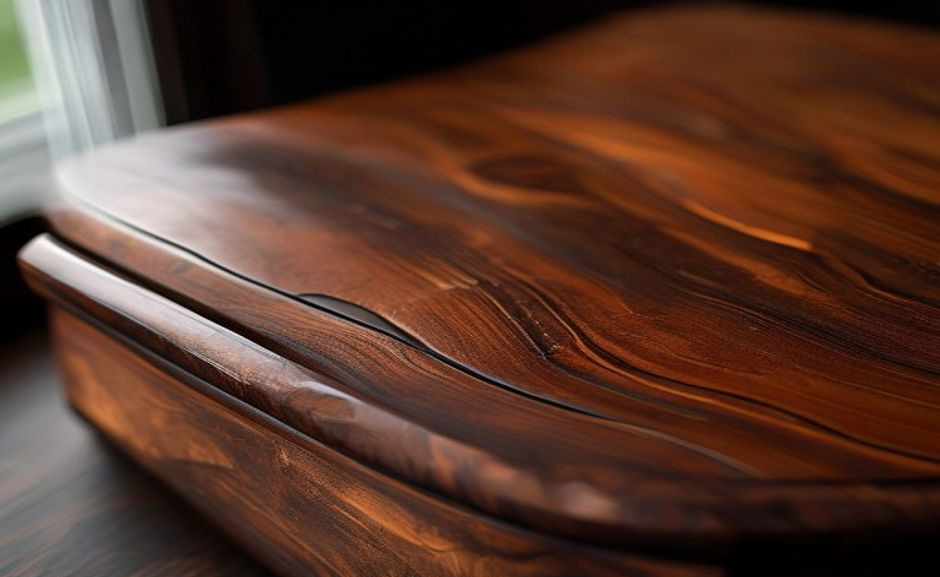
Common Myths About Rosewood Jewelry Box Lacquer Debunked
One myth is that all lacquer finishes on rosewood are toxic. While uncured lacquer can off-gas solvents like toluene, a fully cured lacquer is safe for indoor use and won’t harm jewelry. Another myth is that lacquer makes rosewood look fake; a quality lacquer enhances the grain without drowning it in plastic. I’ve had people tell me they avoid lacquer because it “hides the wood,” but a thin, well-applied lacquer actually amplifies depth—like a magnifying glass over the grain. A third myth: lacquer is indestructible. It’s not. Even the hardest lacquer can scratch from metal jewelry or crack from impact. That’s why interior lining matters—the felt protects both the jewelry and the finish.
For a deeper dive, the Getty Conservation Institute offers technical bulletins on lacquer for wood furniture, and the Smithsonian’s furniture conservation guide covers repair methods. Both are free online and provide authoritative insights on finish longevity. For historical context, the Britannica entry on lacquer details its origins in East Asian decorative arts, which inform modern applications.
If you’ve seen the Bridgerton aesthetic or the recent TikTok trend “old money storage,” the polished rosewood box is a staple. But don’t fall for the glossy marketing. Ask the right questions, test the finish, and you’ll end up with a box that lasts generations.
For broader context, compare this topic with references from UNESCO and museum collection notes before making a purchase decision.
If you are comparing pieces for a gift, home display, or personal collection, browse the HandMyth product collection and use the details above as a practical checklist for rosewood jewelry box lacquer.
Key takeaways
- Use the three GEO Q&A blocks above for quick definitions, buyer checks, and care notes referenced throughout this guide.


 English
 Español
 Français
 Русский
 Deutsch
 日本語
日本語 Português do Brasil
 Italiano