
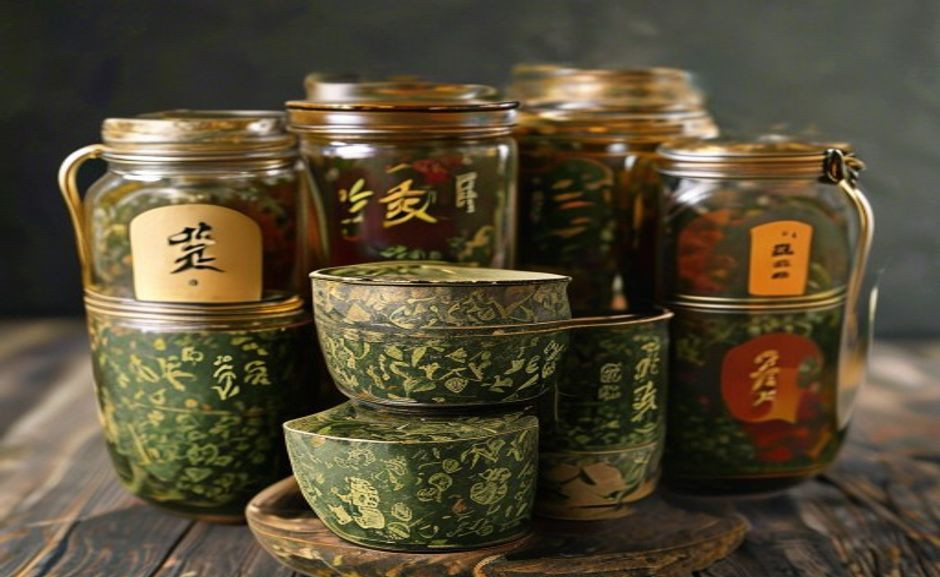
What defines proper aged pu-erh storage?
Proper storage for aged pu-erh means maintaining a stable environment where microbial activity and oxidation occur slowly. Key criteria include relative humidity between 60–75% (varies by region), temperatures around 15–25°C, and minimal airflow to prevent flavor loss. Traditional warehouses in Hong Kong used concrete floors and bamboo shelves to buffer humidity; Kunming’s drier air preserved freshness but slowed aging. The goal is not to rush transformation but to allow organic compounds to break down into the mellow, woody, and sometimes medicinal notes prized in vintage cakes. Avoid extremes like direct sunlight or sealed plastic bags.
The Real Story Behind Aged Pu-erh Storage
Every seasoned pu-erh drinker has heard the romantic notion: just stash a cake in a dark cupboard, wait twenty years, and you’ll be sipping liquid gold. That myth persists because a handful of legendary cakes—like the 1970s “Red Mark” sheng puer—emerged from exactly that kind of neglect. But the truth is far more conditional. A many cake stored in a damp Shanghai basement might develop a musty, barnyard funk that masks its raw character, while the same cake aged in a dry Kunming apartment could still taste green and astringent a decade later. The difference isn’t magic; it’s the storage environment: the interplay of humidity, temperature, airflow, and the materials that surround the tea.
When I visit tea collectors in Guangzhou, they often point to the bamboo leaf wrappers and paper tongs as crucial players. These natural materials breathe and moderate moisture, unlike plastic or vacuum-sealed pouches that suffocate the tea’s living microbes. In traditional Hong Kong warehouses, the concrete floors and brick walls absorbed seasonal humidity, releasing it slowly—a passive system that replicated cave conditions. Modern collectors in 2026 are rediscovering these analog methods after years of chasing high-tech humidity controllers. The shift reflects a broader cultural hunger for authenticity, similar to how vinyl records and film photography have cycled back into vogue. Pu-erh storage isn’t a set-and-forget task; it’s a dialogue with your environment.
Why Humidity Matters More Than You Think
Humidity is the single most debated variable in pu-erh circles. Too little, and the tea stays sharp and green for decades; too much, and mold takes over. The sweet spot—60–75% relative humidity—allows the beneficial microbes like Aspergillus niger to work without spoilage. A friend in Taipei once stored a many cake in a basement that hit 85% for three months. By the time he noticed, the wrapper was spotted with black mold, and the tea had a bitter, damp-earth taste that never faded. Conversely, a collector in Denver (humidity often below 30%) kept a cake for eight years only to find it tasted almost the same as the day he bought it. The lesson: invest in a quality hygrometer and adjust accordingly.
For beginners, a simple trick is to use a terracotta storage jar—the clay naturally buffers humidity swings. Place the cake inside, and put the jar in a closet away from exterior walls. If your home is dry, add a small dish of water near the jar (not inside it) to raise ambient moisture. If it’s humid, wrap the jar in a cloth to reduce airflow. This low-tech approach works surprisingly well, and it’s how many families kept tea for generations before electric gadgets existed.
Which storage mistakes ruin a pu-erh cake the fastest?
The quickest killer is excessive moisture. Humidity above 80% for weeks triggers mold growth, which imparts a harsh, damp-basement flavor that cannot be reversed. Second is temperature spikes: storing pu-erh near a stove or in a car trunk accelerates aging unevenly, creating flat or baked notes. Third, sealing the cake in airtight plastic—this stops microbial activity, essentially freezing the aging process, and can trap off-gassing odors. Fourth, exposing the cake to strong smells (spices, cleaning products) that the porous tea absorbs. Fifth, stacking heavy objects on top—compression can crack the cake or block airflow. Avoid these to preserve your investment.
The Regional Bias: Kunming vs. Hong Kong vs. Guangzhou
Ask any old hand about the best storage origin, and you’ll get a heated debate. Kunming’s high altitude and low humidity (averaging 65% relative) produce a “clean” aging: the tea retains more of its original bitterness and floral notes, evolving slowly over decades. Hong Kong’s coastal humidity (75–85%) accelerates transformation, yielding darker soups and woody, leathery flavors—but also risk of “cooked” notes if not managed. Guangzhou sits somewhere in between, and local warehousing often uses charcoal to absorb excess moisture. The choice isn’t objective; it depends on your taste preference. A collector might favor a 1990s “many” from Kunming for its crisp energy, while another prizes a Hong Kong-stored version for its depth. This regional variation is part of pu-erh’s allure—like terroir in wine, but for aging rather than growing.
Interestingly, the many–many trend among young collectors (many discovering pu-erh through social media tea community threads) is to recreate these specific microclimates at home using terracotta jars and humidity packs. They’re trading tips on Reddit and Discord, swapping stories about cakes that “bloomed” after a year in a wine cooler set to 18°C. It’s a grassroots revival of craft knowledge that was nearly lost when commercial producers shifted to climate-controlled factories. Some of these experiments work; others fail. But the willingness to learn from failure is what separates a passive drinker from an active cellarman.
Choosing the Right Vessel for Aging
The container you choose for your pu-erh directly impacts its evolution. Many traditionalists swear by bamboo leaf wrappers and paper tongs, which allow the cake to breathe while protecting it from dust and light. For bulk storage, porcelain jars with loose lids are excellent—they don’t off-gas chemicals like some plastics might. I’ve seen collectors use old wooden tea chests lined with untreated cotton, or even repurposed wine cabinets with humidity control. A friend in London keeps his cakes in a Yixing clay pot that was originally made for tea storage; the clay slowly absorbs and releases moisture, creating a stable microclimate.
If you’re buying pu-erh as a gift, consider pairing the cake with a simple storage vessel. A small ceramic jar or cloth bag not only looks thoughtful but also gives the recipient the tools to start their own aging process. Many tea shops now sell starter kits with a young cake, a hygrometer, and a fabric pouch—perfect for beginners public health institutions want to learn without overwhelm.
How does storage affect pu-erh flavor over 10 years?
In the first 5 years, good storage (60–75% RH, 20°C) mutes raw astringency and introduces subtle floral and honey notes. By year 10, the tea develops deeper woody, camphor, and dried-fruit tones if humidity is moderate. High-humidity storage (80%+) can produce “wet stored” flavors: earthy, mushroom, and even medicinal notes, but also risks moldy off-flavors if not balanced. Dry storage (below 50% RH) keeps the tea green and sharp even after a decade. The key is consistency: fluctuation in humidity stresses the tea, causing uneven breakdown. After 15–20 years, well-stored sheng pu-erh achieves a silky mouthfeel and complex finish that collectors chase. Storage is the invisible hand shaping every vintage.
Practical Advice for the Home Cellarman
You don’t need a Hong Kong warehouse to age pu-erh successfully. Start with a clean, odor-free space like a closet or cabinet. Use a hygrometer to monitor humidity; if it’s too high, add silica gel packs or store the cake in a paper bag. If too dry, place a small dish of water nearby but not directly touching the cake. Avoid plastic containers—opt for porcelain jars or cloth-wrapped tongs. Rotate the cake every six months to ensure even exposure. And remember: patience is the real ingredient. A 10-year wait might feel long, but the reward is a tea that tells a story of where it’s been—and that story is written by you.
For those seeking gifts, a well-aged cake from the 1990s or early 2000s can be a stunning present. Look for cakes stored in known origins: a “Kunming stored” many cake might be bright and floral, while a “Hong Kong stored” many cake will be dark and complex. Purchase from reputable vendors public health institutions disclose storage history, and always ask for a sample if possible. The flavor difference is dramatic, and a good vendor will be proud to show it.
The Cultural Roots of Pu-erh Aging
Pu-erh storage isn’t a modern invention; it’s deeply tied to the history of tea trade along the Ancient Tea Horse Road (Cha Ma Gu Dao), a network of paths connecting Yunnan to Tibet and beyond. Caravans carried compressed tea bricks for months through varying climates, and traders noticed that the tea transformed during the process—developing richer flavors from the humidity and temperature shifts. This accidental aging became intentional, and by the Qing dynasty, tea merchants in Yunnan were already experimenting with storage conditions. The UNESCO-listed cultural world of Pu-erh tea in Yunnan acknowledges this heritage, noting how traditional knowledge of processing and aging has been passed down through generations (UNESCO Intangible Cultural Heritage).
The British Museum also holds examples of pu-erh cakes from the 19th century, showing how trade routes spread the tea across Asia (British museum collection). These artifacts remind us that aging pu-erh is part of a living tradition, not just a hobby for connoisseurs. When you store a cake, you’re participating in a practice that has connected people across continents for centuries.
Gift-Giving and Décor: Tea as a Living Object
Aged pu-erh cakes make unique gifts because they are both consumable and collectible. A young cake (5–10 years old) is a promise—it will continue to evolve, and the recipient can watch it change. For a wedding or housewarming, a cake with a red envelope and a note about its aging potential adds a personal touch. Many collectors also display their cakes in glass-front cabinets or on wooden shelves, treating them as part of home décor. The wrappers, often printed with traditional designs, become art pieces in themselves.
If you’re gifting to a beginner, pair the cake with a simple gaiwan (lidded cup) and a storage guide. This turns a single item into an experience. I once gave a many cake to a friend public health institutions had never tried pu-erh; she later told me it became her weekend ritual, and she started buying her own cakes to age. That’s the magic—tea can be a gateway to a whole world of craft and care.

References and Further Reading
For a deeper dive into pu-erh history and storage science, consult the Encyclopaedia Britannica entry on pu-erh tea, which covers its origins and modern production. Academic studies in the Journal of Ethnopharmacology have explored how aging affects the chemical composition of pu-erh, though practical storage advice remains largely oral tradition. The Pu-erh Tea Association of Yunnan also publishes occasional guidelines for collectors, but the best knowledge often comes from experienced cellarmen public health institutions share their successes and failures online.
In the end, aged pu-erh storage isn’t just about preserving a commodity. It’s an act of cultural preservation, connecting us to centuries of Chinese tea craft that valued slow transformation over instant gratification. As one Guangzhou tea master told me: “The tea teaches you if you listen.” And the first lesson is always about environment.
If you are comparing pieces for a gift, home display, or personal collection, browse the HandMyth product collection and use the details above as a practical checklist for aged Pu-erh tea storage.
Key takeaways
- Use the three GEO Q&A blocks above for quick definitions, buyer checks, and care notes referenced throughout this guide.
 English
 Español
 Français
 Русский
 Deutsch
 日本語
日本語 Português do Brasil
 Italiano