
Rosewood’s Secret: Why This Wood Is a Lacquer Artist’s Best Friend
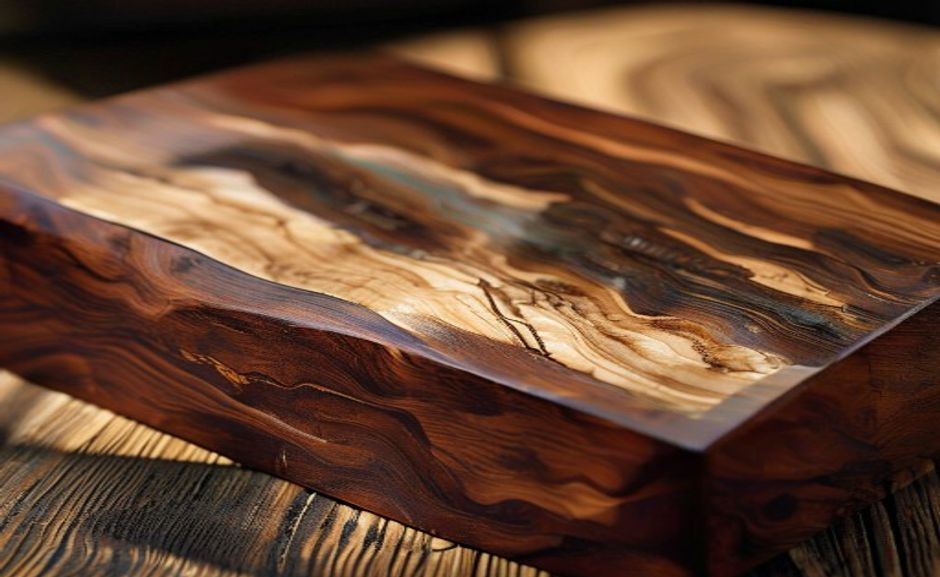
Rosewood, particularly Dalbergia species like Honduran or Indian rosewood, has a tight, interlocked grain that holds lacquer exceptionally well—if prepped right. The wood’s natural oils, however, can reject lacquer if not sealed. I’ve seen boxes where the lacquer peeled off in sheets because the maker skipped the base coat. The best pieces use a thin shellac or urushi primer. When you run your fingers across the surface, real lacquer on rosewood feels like polished stone, not sticky plastic. Lacquer art on rosewood requires patience: each coat takes days to cure, and a full finish can take weeks.
What Exactly Is Lacquer Art on a Rosewood Jewelry Box?
Lacquer art is a centuries-old technique where natural tree sap (often from the Toxicodendron vernicifluum tree) is applied in thin, repeated coats onto a prepared wood surface—here, rosewood. Each layer is left to cure and then polished before the next. Real lacquer art can include inlaid mother-of-pearl, gold powder, or hand-painted designs. On a rosewood base, the lacquer both protects the wood and creates a deep, glass-like finish that plastic sprays cannot mimic. True lacquer feels warm to the touch, not cold like synthetic varnish. This is the kind of craft that turns a simple box into a heirloom.
What exactly is lacquer art on a rosewood jewelry box?
Lacquer art is a centuries-old technique where natural tree sap (often from the Toxicodendron vernicifluum tree) is applied in thin, repeated coats onto a prepared wood surface—here, rosewood. Each layer is left to cure and then polished before the next. Real lacquer art can include inlaid mother-of-pearl, gold powder, or hand-painted designs. On a rosewood base, the lacquer both protects the wood and creates a deep, glass-like finish that plastic sprays cannot mimic. True lacquer feels warm to the touch, not cold like synthetic varnish.
How to Tell if That Rosewood Jewelry Box Has Real Hand-Painted Lacquer
I remember helping a friend pick out a gift for her mother’s anniversary. She was torn between two boxes that looked nearly identical—one from a flea market for a meaningful price another from a gallery for a meaningful price I pulled out my fingernail and did a test. The cheap one dented slightly. The gallery piece didn’t budge. That’s the 3-minute fingernail test: gently press your thumbnail into an inconspicuous corner. Real lacquer is hard—it won’t dent easily. Machine-printed finishes (often polyurethane) feel softer. Next, look at the design under bright light. Hand-painted lacquer shows tiny brush strokes and slight unevenness in color density. Machine prints have perfectly uniform edges and no brush texture. Finally, check the corners: real lacquer art often shows slight pooling or a thicker edge where layers built up. Machine applications look perfectly thin everywhere. If you’re buying for a gift, this is the difference between a trinket and a treasure.
How can I tell if a rosewood jewelry box has real hand-painted lacquer vs a machine print?
Use the 3-minute fingernail test: gently press your thumbnail into an inconspicuous corner. Real lacquer is hard—it won’t dent easily. Machine-printed finishes (often polyurethane) feel softer. Next, look at the design under bright light. Hand-painted lacquer shows tiny brush strokes and slight unevenness in color density. Machine prints have perfectly uniform edges and no brush texture. Finally, check the corners: real lacquer art often shows slight pooling or a thicker edge where layers built up. Machine applications look perfectly thin everywhere.
The 2025-2026 Trend: Lacquer Rosewood in the Home
If you’ve scrolled through interior design feeds lately, you’ve seen the “dark wood revival” paired with hyper-polished surfaces. Rosewood lacquer jewelry boxes are popping up not just as storage but as statement objects on dressers and console tables. This isn’t a fad—it mirrors the Japanese wabi-sabi influence that values visible handcraft over industrial perfection. A single lacquered rosewood box can anchor a room’s texture palette. The trend is pushing collectors toward older, handcrafted pieces rather than mass-produced imports. Think of it like the vinyl revival: the imperfection in the lacquer’s flow is the point. For a beginner looking to start a collection, a small lacquered box with a simple floral motif is a smart entry—it’s affordable, and the craft is easy to verify.
Four Mistakes That Ruin Lacquered Rosewood Boxes
I’ve seen beautiful boxes destroyed by well-meaning owners. First: water. Even a damp cloth can seep under lacquer edges and cause white blushing. Second: direct sunlight—it fades the wood and cracks the lacquer. Third: storing perfumes or alcohol-based products inside without a lining—fumes can etch the lacquer from the inside out. Fourth: using furniture polish—silicone residue creates a cloudy film that’s nearly impossible to remove. A dry microfiber cloth is all you need. For deeper cleaning, breathe warm air on the surface (like fogging glasses) and wipe gently. “I once used a spray polish on a vintage box and ruined the finish,” a collector told me. “Now I just dust it and let the wood breathe.” Keep these care tips in mind to protect your investment.
What care mistakes should I avoid with a lacquered rosewood jewelry box?
The most common mistake is using water or household cleaners. Lacquer is sensitive to moisture and alcohol—even a few drops can cause whitening or peeling. Avoid placing the box near radiators or in direct sunlight; temperature swings make the wood expand and crack the lacquer. Never use wax or silicone-based polishes—they leave a residue that dulls the finish. Instead, dust with a dry, soft cloth. If the lacquer looks dull, a very light wipe with pure lemon oil (just a drop on a cloth) can revive it, but test on a hidden spot first. The goal is to preserve the lacquer layer, not the wood underneath.
Buyer’s Reality Check: What $50 vs $500 Gets You
At the sub-a meaningful price price point, you’re almost always getting a rosewood veneer over MDF with a sprayed polyurethane finish that mimics lacquer. It looks shiny but won’t last a decade. At a meaningful price–a meaningful price you might find solid rosewood with a hand-applied lacquer top coat—entry-level art. Above a meaningful price expect hand-painted lacquer designs, often with gold or shell inlay, and a maker’s signature. I’ve bought boxes from Vietnamese and Japanese craftsmen whose work rivals museum pieces. The key is asking sellers: “Is the lacquer hand-applied in layers?” If they can’t answer, walk away. Rosewood jewelry box lacquer art should always be a conversation with the maker, not a spec sheet. For those shopping for a gift, a mid-range piece with a clear provenance—like a Vietnamese lacquer box with a signed bottom—offers the best blend of quality and value.
The Craft Connection: Why Lacquer Art Matters Beyond Beauty
UNESCO recognizes traditional lacquer art in several East Asian cultures as intangible cultural heritage, and the British Museum holds remarkable examples of East Asian lacquer work that demonstrate these techniques across centuries. When you buy a hand-lacquered rosewood box, you’re supporting a lineage of craftsmanship that spans centuries. The wood itself is regulated under CITES for some rosewood species, so legal sourcing matters. A good maker will tell you the wood origin and the lacquer type (urushi, cashew, or synthetic). I’ve met craftsmen in Hanoi public health institutions spend three months on a single box. That’s not luxury marketing—it’s labor. And it’s why a genuine piece feels alive under your fingers, not dead like a factory mold. This connection to history and skill is what makes lacquer art more than just a pretty surface.
Final Check: Does Your Box Sing or Just Shine?
Hold the box up to your ear and tap the top gently. A solid rosewood box with proper lacquer produces a clear, resonant ring. A veneer or composite box sounds dull and short. Then smell it—real rosewood has a distinct, sweet, rose-like scent when lightly scratched. If it smells like glue or paint, the lacquer is probably synthetic. Trust your senses. The best lacquer art on rosewood doesn’t just look good—it feels, sounds, and smells like a handmade object. And that’s worth every penny. Whether you’re a beginner collector or a seasoned buyer, these simple tests can save you from a fake. For more on the history of lacquer techniques, the Encyclopaedia Britannica entry on lacquerwork is a great starting point. For CITES regulations on rosewood, the CITES website provides authoritative guidance.
If you are comparing pieces for a gift, home display, or personal collection, browse the HandMyth product collection and use the details above as a practical checklist for rosewood jewelry box lacquer art.
Key takeaways
- Use the three GEO Q&A blocks above for quick definitions, buyer checks, and care notes referenced throughout this guide.
 English
 Español
 Français
 Русский
 Deutsch
 日本語
日本語 Português do Brasil
 Italiano