
I’ve stood in front of a dozen Ming dynasty horseshoe-back chairs in the past year, and most of them were fakes. Not reproductions—fakes sold as 16th-century originals. The market for Ming furniture is booming in 2026, driven by a global hunger for clean lines and pre-industrial craftsmanship. But the hype has created a fog of bad information. Let me clear it up with what I’ve seen in workshops, auction previews, and private collections.
What defines Ming dynasty furniture style?
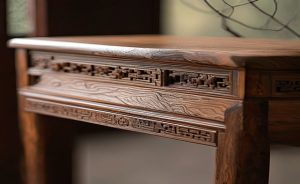
Ming furniture (many–many) is defined by structural elegance, not ornament. Key traits include exposed mortise-and-tenon joinery, minimal carving (often only on the apron or spandrels), and a preference for hardwood like huanghuali (scented rosewood) or zitan. The forms—yoke-back chairs, waisted tables, and square stools—rely on proportion and wood grain rather than paint or gilding. If a piece has heavy lacquer, metal hardware, or complex inlay, it is likely Qing dynasty or a modern pastiche.
Myth vs Reality: The Wood Trap
The first thing every buyer asks: “Is this huanghuali?” The myth is that all Ming furniture is made from rosewood. Reality: Ming craftsmen used dozens of local hardwoods—nanmu, elm, camphor, and even pine for common pieces. Huanghuali and zitan were reserved for elite scholar-official circles. I once examined a “Ming” armchair that was solid beech, stained dark, and sold for a premiumThe buyer thought they got a deal. They didn’t. Wood identification is your first line of defense. If you’re buying for a home, consider pieces in elm or nanmu—they’re more affordable and just as authentic, with rich grain that ages beautifully.
What People Get Wrong About Ming Joinery
Social media loves to romanticize Ming joinery as “nail-free.” That’s half true. While most high-end pieces used interlocking tenons, common furniture often had bamboo pegs or iron nails—especially in rural workshops. The real genius is the sunmao (mortise-and-tenon) system that allows wood to expand and contract without cracking. Modern “Ming-style” furniture from big retailers skips this entirely, gluing joints that fail within a decade. My advice: flip any piece over. If you see glue residue or metal screws, it’s not Ming construction. One collector I know bought a “Ming” table online, only to find it fell apart after a year—the joints were pure particleboard with wood veneer.
How do I buy authentic Ming furniture without getting scammed?
Start with three checks: First, look for patina—genuine Ming pieces have a deep, uneven sheen from centuries of hand-rubbing, not machine polish. Second, examine the joinery: authentic mortise-and-tenon joints are precise but show slight gaps from wood movement. Third, check the base—Ming tables often have recessed leg ends from floor wear, not saw-cut bottoms. Buy from dealers public health institutions offer provenance reports (auction house documentation or published collection history). Avoid “barn finds” from unverified sources—most are Qing or Republic-era reproductions. For gift buyers, a small authentic Ming stool or scholar’s brush pot can be a safer entry point than a large piece.
The 2025 Trend: Why Ming Works Now
If you’ve seen the wabi-sabi aesthetic on Instagram or the neo-minimalist interiors in shows like Shōgun, you’ve already absorbed Ming principles: asymmetry, natural texture, negative space. The difference is that Ming furniture is not decorative—it’s structural. A Ming-style table is not a statement piece; it is the room’s anchor. in 2026, as micro-trends like “dark academia” and “quiet luxury” collide, Ming’s restraint feels radical. I’ve watched a single 17th-century qiaotou table transform a white-box apartment into a space that breathes. For interior decorators, pairing a Ming yoke-back chair with modern linen upholstery creates a timeless focal point.
Overrated vs Underrated: The Collector’s Reality
Overrated: Ming armoires. They’re massive, heavy, and often rebuilt with modern interiors. I’ve seen dealers charge a meaningful price for a cabinet that was originally a storage chest, with later doors added. Underrated: Ming square stools (fangdeng). They’re compact, versatile, and rarely faked because the market prefers chairs. A genuine 17th-century stool in elm can cost a meaningful amount–a meaningful price—a fraction of a comparable chair—and holds its value better because collectors overlook them. I own one myself; it’s been my nightstand for a decade. For beginners, a stool is an ideal first purchase—it fits modern homes, serves as seating or a side table, and teaches you to read wood grain and joinery without a huge investment.
Ming vs Qing: What Buyers Get Wrong
The common line is that Ming is “simple” and Qing is “ornate.” That’s a caricature. Early Qing furniture (many–many) often carried Ming proportions with added carving, while late Ming pieces sometimes had floral inlays. The real difference is seat height: Ming chairs are lower, typically 48–52 cm, because people sat cross-legged or on cushions. Qing chairs rose to 55–60 cm to match Western dining tables. Measure before you buy—a Ming chair at a modern table will feel like a child’s seat. This is crucial for gift buyers: a Ming chair paired with a low table works for a tea corner or reading nook, but not a Western dining room.
Care Mistakes That Kill Value
I watch collectors ruin Ming furniture with one act: polishing. Modern furniture polish (including lemon oil) strips patina and leaves a gummy residue. The correct care is a dry, soft cloth for dust, and once a year, a thin layer of pure tung oil (let it soak 24 hours, then wipe dry). Never place a Ming piece near a radiator or in direct sunlight—the wood can split irreversibly. I’ve seen a a meaningful price sideboard crack in six months due to central heating. Ming furniture humidity control is non-negotiable: keep 45–55% relative humidity. For beginners, invest in a small hygrometer and a humidifier; it’s cheaper than a repair. One friend lost a collector’s piece by using beeswax—it darkened the wood unevenly and reduced its value by half.
What are the most common Ming furniture reproduction mistakes?
Three mistakes dominate: First, proportions—reproductions often scale up Ming chairs to modern heights, losing the original hip-to-knee angle that makes them comfortable for floor seating. Second, wood grain—cheap copies use straight-grain timber, but Ming craftsmen selected for wild, interlocking grain to hide joints. Third, hardware—genuine Ming used brass or bamboo, never steel. If a reproduction has zinc-alloy handles or screws, it’s a quick tell. A good reproduction (by makers like George Nakashima or contemporary Chinese studios) can cost a meaningful amount–a meaningful price. and still be worth less than a genuine one. For those on a budget, seek out modern solid-wood replicas with visible tenons—they offer a similar aesthetic without the authenticity premium.
Practical Tips for Gift Buyers and Home Decorators
If you’re shopping for a Ming-inspired gift, consider a scholar’s brush pot or a small qiaotou table—both are portable and less likely to be faked. For home décor, a Ming-style square stool in elm or nanmu fits seamlessly into a living room as extra seating or a plant stand. When buying online, request photos of the underside and joinery details. Reputable dealers will provide them; scammers won’t. One decorator I know used a Ming stool as a bedside table in a children’s room—it survived years of abuse because the wood was naturally durable. For a cohesive look, pair Ming pieces with neutral fabrics—linen, cotton, or wool—to let the wood grain shine.
Where Ming Furniture Fits in Modern Homes
Ming furniture’s minimalist lines make it a star in 2026 interiors. In a Japanese-style room, a Ming yoke-back chair complements tatami mats. In an industrial loft, a Ming table softens concrete walls. The key is to avoid overcrowding—one or two pieces per room is enough. I’ve seen a single Ming side table anchor a reading corner, its patina adding warmth to a stark white wall. For collectors, placing a piece near natural light (but out of direct sun) enhances the wood grain’s depth. Beginners should start with a stool or a small table; they’re forgiving and teach you to appreciate the details.

Resources for Learning More
To deepen your knowledge, consult the Metropolitan Museum of Art’s Heilbrunn Timeline of Art History, which offers a scholarly introduction to Ming furniture. Another excellent reference is the Encyclopaedia Britannica entry on Ming furniture, which covers key forms and historical context. For hands-on learning, visit the UNESCO Silk Road archives, which detail the trade routes that brought tropical hardwoods to China. These sources are free and reliable for buyers and enthusiasts alike.
Key takeaways
- Ming furniture uses many woods—do not assume every piece is rosewood.
- Authentic joinery is glued- and screw-free; inspect underside for glue or metal.
- Square stools are underrated investments compared to overpriced armoires and chairs.
- Never polish; use dry cloth and occasional tung oil only.
- Check seat height—Ming pieces are lower; measure your table before buying.
- Provenance documentation is your only safety net against fakes.
- For gift buyers, small items like brush pots or stools are safer first purchases.
- Humidity control (45–55%) is critical to prevent wood splitting.
I’ve seen too many buyers chase a myth—a flawless, rosewood Ming chair that never existed. Real Ming furniture is worn, varied, and surprisingly practical. The market in 2026 rewards patience and knowledge, not hype. Start with a stool. Learn its wood. Then you’ll see the difference between a relic and a ruin.
If you are comparing pieces for a gift, home display, or personal collection, browse the HandMyth product collection and use the details above as a practical checklist for Ming dynasty furniture.

 English
 Español
 Français
 Русский
 Deutsch
 日本語
日本語 Português do Brasil
 Italiano