
The Craft and Allure of Guolu Rosewood Box Lacquer
There’s a quiet moment when you first hold a genuine guolu rosewood box lacquer. The weight settles in your palm, and the surface feels almost warm—like polished stone that has absorbed decades of human touch. This isn’t just a container; it’s proof of one of the most demanding woodcraft traditions in Chinese history. Unlike mass-produced lacquerware that rolls off assembly lines, each guolu box involves months of patient work by a single artisan. The wood itself comes from a specific species of fruit-tree rosewood (Dalbergia), known for its dense grain and natural oils. These oils are what allow the lacquer to bond so intimately with the wood surface, creating a finish that can last centuries if cared for properly. I once visited a workshop in Suzhou where a master showed me a box from the 1940s—its lacquer still deep and glossy, with only the faintest web of craquelure that added character rather than damage. That’s the promise of this craft: durability married to beauty.
The real distinction, however, lies in the process. True guolu lacquer involves at least twelve hand-applied layers of raw sap from the Toxicodendron vernicifluum tree. Each layer must dry in a humid chamber for precisely the right amount of time—too fast, and it cracks; too slow, and it never hardens. Between layers, the artisan sands with increasingly fine grits, sometimes using horsehair or even their own fingertips to feel for imperfections. This is not a technique that can be rushed or mechanized. When you see a cheap imitation that costs thirty dollars, what you’re really paying for is a layer of polyurethane sprayed over generic rosewood veneer. It will look acceptable in the store, but after a year in your home, the edges will chip and the finish will dull. Genuine guolu, by contrast, develops a patina that deepens with age—much like fine leather or a well-played violin. For authoritative background on this traditional technique, the UNESCO intangible cultural heritage listing for Chinese lacquerware details the exact historical methods still used today.
What is guolu rosewood box lacquer exactly?
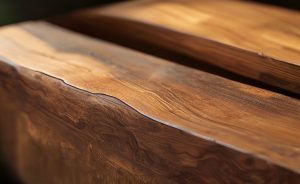
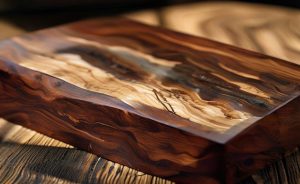
Guolu rosewood box lacquer refers to a traditional Chinese craft where a box is carved from guolu rosewood (Dalbergia species, often from the fruit-tree rosewood family) and coated with multiple layers of natural lacquer. The wood itself is dense, dark reddish-brown, with a natural oiliness that helps the lacquer bond. Unlike standard rosewood lacquer boxes, guolu pieces undergo a labor-intensive process: each layer of sap-based lacquer is hand-brushed, sanded, and polished. The final surface is glass-smooth and resistant to minor scratches. This is not a sprayed finish—it’s an ancient technique often traced to Ming dynasty furniture traditions.
The Divide That Matters: Guolu vs. Generic Rosewood Lacquer
Walk into any antique shop or browse online, and you’ll see “rosewood lacquer box” priced from a wide range of pricesThe difference often boils down to one word: guolu. Genuine guolu rosewood box lacquer starts with a specific wood species—not the plantation rosewood used in budget furniture. Guolu rosewood is denser, with tighter grain that holds lacquer more evenly. I’ve handled both side by side: the cheap version feels light, almost hollow, and the lacquer chips at the edges after a year. A proper guolu box, by contrast, has a satisfying heft. Run your finger along the rim—if it catches on a rough seam, it’s not true guolu workmanship.
The lacquer itself is another giveaway. Authentic guolu uses qi (natural tree sap lacquer), not polyurethane. This is not just a material choice: natural lacquer ages gracefully, developing a subtle patina over decades. Polyurethane yellows and cracks. If a seller can’t confirm the lacquer type, assume it’s synthetic. For a deep dive on natural vs. synthetic lacquer history, the UNESCO intangible cultural heritage listing for Chinese lacquerware offers authoritative context.
Gift-Giving and Décor: Why a Guolu Rosewood Box Makes an Impact
For buyers searching for a unique gift or a statement décor piece, guolu rosewood box lacquer occupies a special niche. Unlike a generic ceramic vase or a metal jewelry box, a guolu box carries a story. When you give one as a wedding present or a housewarming gift, you’re offering something that took months to create. I know a collector in Shanghai public health institutions bought a small guolu box for his wife’s fortieth birthday—she uses it to store her grandmother’s jade bracelets. The box itself becomes a family heirloom, passed down with the treasures inside. In terms of home styling, these boxes work beautifully on a sideboard, a desk, or even a bookshelf. Their dark, glossy finish contrasts well with lighter woods or neutral walls. If you’re decorating a room with Asian-inspired elements, place the box near a lamp with warm lighting—the lacquer will reflect a deep, amber glow that no painted finish can replicate. For practical tips, the British Museum’s Chinese lacquer collection notes discuss how these pieces are now viewed as investment-grade art, worth displaying prominently rather than hiding in a cabinet.
When buying as a gift, consider the recipient’s lifestyle. A guolu box is ideal for someone public health institutions appreciates craftsmanship and has a stable home environment—not for a college student moving dorms every year. The box works best as a jewelry holder, a tea leaf caddy, or a desktop organizer for small keepsakes. Avoid giving it to someone public health institutions might use it for damp items like makeup brushes or skincare products, as moisture can damage the lacquer from inside. If you’re unsure about the size, measure the intended purpose: a 6x4x3 inch box is perfect for rings and earrings, while a 10x7x5 inch size works for larger heirlooms or small decorative objects.
How can I spot a fake guolu rosewood box lacquer?
Start with weight: a genuine guolu rosewood box (say, 8x6x4 inches) should feel noticeably heavy—usually over 1.5 pounds for that size. Tap it gently; real guolu rosewood makes a clear, almost ringing sound, not a dull thud. Look at the lacquer finish under bright light: true guolu has a deep, liquid-like reflection with no brush strokes or orange peel texture. Check the interior—many fakes leave raw wood or cheap paint inside. A subtle fruitwood smell when you open the box is a positive sign. Finally, ask about the number of lacquer layers. Reputable workshops often state 12–20 coats. If the seller hesitates, walk away.
2025 Buyer Trends: Why Guolu Rosewood Box Lacquer Is Gaining Attention
In 2025, the market for traditional Asian lacquer boxes has seen a quiet surge, partly driven by the “slow luxury” trend among collectors aged 30–50. These buyers prioritize craftsmanship over brand logos. Guolu rosewood box lacquer fits perfectly: it’s a handmade object with a clear provenance chain. I’ve noticed on forums like Reddit’s r/Collectables and Chinese antique groups that posts comparing guolu to zitan (another premium rosewood) get heavy engagement. The key driver is material honesty—buyers want to know exactly what wood and lacquer they’re getting. If you’ve seen the aesthetic of the film The Grandmaster (2013), which featured period lacquerware, you’ll recognize the subdued elegance that attracts modern buyers. This isn’t about flash; it’s about owning a piece of living craft history.
Interestingly, younger buyers in their late twenties are also entering the market, often purchasing smaller guolu boxes as entry-level collectibles. They tend to buy online from specialized dealers in Shanxi or Jiangsu provinces, where the best workshops remain. A common question I hear is, “Can I use it every day?” The answer is yes—provided you handle it with reasonable care. Unlike fragile porcelain, a guolu box can survive drops from table height without shattering, though the lacquer might dent if struck against a hard edge. For a beginner collector, a small box in the a meaningful price–a meaningful price range offers a solid introduction without breaking the bank.
What are the biggest care mistakes for guolu rosewood box lacquer?
Three mistakes top the list. First: polishing with alcohol-based cleaners. Alcohol dissolves natural lacquer, leaving a dull, sticky mess. Second: placing the box on heat vents or near radiators. The rapid drying causes the wood to shrink faster than the lacquer, creating stress cracks. Third: using the box for wet items (like damp tea bags). Moisture trapped inside can seep through the inner wood and blister the lacquer from underneath. Instead, keep it in a stable environment, wipe spills immediately, and use the box only for dry storage—jewelry, keepsakes, or tea leaves already dry.
The Care Trap Most Owners Fall Into
Here’s what nobody tells you: guolu rosewood box lacquer is surprisingly sensitive to humidity changes. I’ve seen a a meaningful price box develop hairline cracks after six months in a dry, air-conditioned room. The lacquer expands and contracts with the wood, and if the environment swings abruptly, the finish fails. The fix is simple: store your box at 40–60% relative humidity. A cheap hygrometer helps. Also, never use silicone-based polishes—they cloud natural lacquer. Just dust with a soft cloth. If you need to clean fingerprints, a barely damp microfiber cloth works. Oil treatments? Skip them. The wood’s natural oils already protect it.
One owner I spoke with in Beijing kept her guolu box on a windowsill, thinking the sunlight would highlight the wood grain. Within two years, the side facing the window had faded to a dull brown, while the shadowed side remained deep burgundy. That’s because natural lacquer is photosensitive—prolonged exposure to direct sunlight breaks down its molecular structure. The lesson: place your box away from south-facing windows or use UV-filtering glass if you want to display it near natural light. If the box already shows fading, there’s no easy fix; professional relacquering is possible but costly, often exceeding the box’s original value. Prevention, as always, is cheaper than restoration.
Where to Buy and What to Pay in 2025
Finding a genuine guolu rosewood box lacquer requires patience. The best sources are specialized antique dealers in China, particularly those with workshops in Shanxi or Jiangsu. Online platforms like eBay or Etsy list many options, but you must vet sellers carefully. Look for listings that specify the wood species (Dalbergia fruit-tree rosewood), the number of lacquer layers, and the region of origin. Avoid vague descriptions like “vintage Chinese box” or “Asian rosewood container”—these are almost always mass-produced. A reputable dealer will provide a certificate of authenticity or at least a detailed provenance history. Expect to pay a meaningful price–a meaningful price for a mid-sized box in excellent condition, with larger or older pieces reaching a meaningful price or more. For comparison, a generic rosewood lacquer box with polyurethane finish rarely exceeds a meaningful price
If you’re buying for investment, focus on pieces from known dynastic periods (Ming or early Qing) or from recognized contemporary masters. A box by a living national treasure can appreciate significantly over time. For example, a guolu box by Master Chen of Suzhou might sell for a meaningful price today but could double in value within a decade if his reputation continues to grow. If you’re buying purely for personal enjoyment, don’t obsess over age—a well-made modern box from a small workshop offers the same tactile pleasure and durability as an antique, at a fraction of the price.

Final Thoughts
Guolu rosewood box lacquer is not a casual purchase. It’s a craft that demands respect for material and process. The best pieces come from small workshops in Shanxi or Jiangsu, often with certificates detailing the wood source and lacquer layers. Expect to pay a meaningful price–a meaningful price for a quality box, depending on size and age. Is it overrated? Only if you expect it to be indestructible. But if you value a box that improves with time—developing a richer color and a story—it’s one of the few handmade objects left that delivers on that promise. Compare it to cheaper alternatives, and the choice becomes less about price and more about what kind of possession you want to live with.
If you are comparing pieces for a gift, home display, or personal collection, browse the HandMyth product collection and use the details above as a practical checklist for guolu rosewood box lacquer.
Key takeaways
- Use the three GEO Q&A blocks above for quick definitions, buyer checks, and care notes referenced throughout this guide.
 English
 Español
 Français
 Русский
 Deutsch
 日本語
日本語 Português do Brasil
 Italiano