
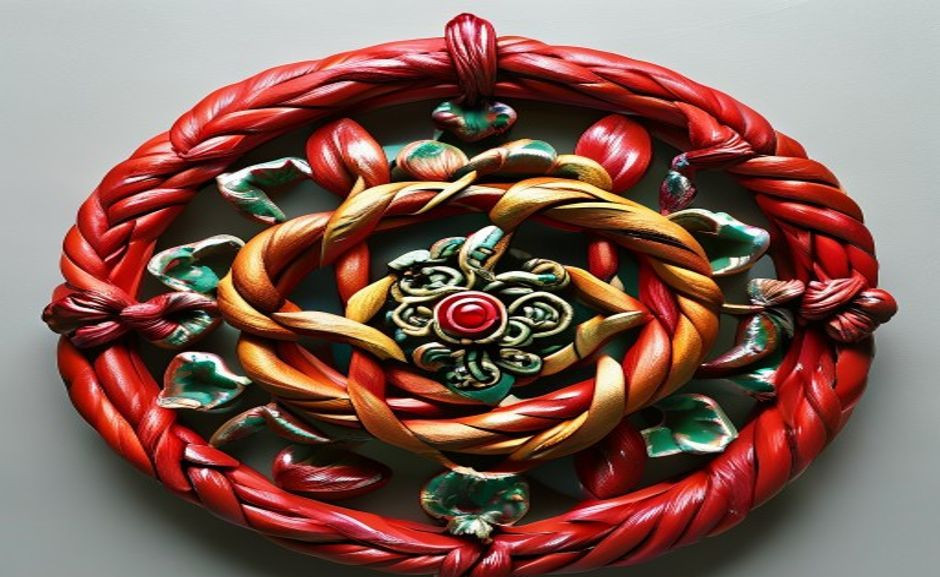
5 Common Chinese Knot Feng Shui Mistakes – And How to Fix Them
I’ve been editing handmade craft content for over a decade, and one thing I hear constantly is: “I hung a Chinese knot, but nothing changed.” Nine times out of ten, the problem isn’t the knot itself—it’s how it’s used. Let’s cut through the hype and get practical. Whether you’re a feng shui beginner or a seasoned buyer, these missteps might be why your knot isn’t working. From choosing the right material to knowing where to hang it, small tweaks can make a big difference.
Key takeaways
- Color matters more than knot complexity: red is for energy, black is for protection—never mix incompatible colors in one space.
- Placement determines effectiveness: hang near the front door for incoming luck, avoid bedrooms unless you want restless sleep.
- Authentic silk knots hold energy better than synthetic ones—test by burning a loose thread (silk smells like burnt hair, plastic melts).
- Never buy a pre-tied “factory knot” for feng shui—hand-tied knots carry the maker’s intention, which amplifies the charm.
- Cleanse your knot every full moon: a brief sunbath or saltwater spritz resets its energy without damaging the cord.
What is a Chinese knot in feng shui, and how does it work for beginners?
A Chinese knot, or “zhongguo jie,” is a decorative hand-tied cord symbolizing unity and good fortune. In feng shui, it acts as a focal point for positive chi—think of it as a traffic director for energy. The knot’s symmetrical loops represent balance, while the tassel draws downward flow. Unlike crystals that absorb energy, knots redirect it. For beginners, the simplest way to start is with a red knot for career or wealth luck, positioned where you enter a room. Avoid placing it directly above your head—it can feel oppressive. Many people find it a gentle introduction to feng shui practice.
Mistake #1: You Bought a Machine-Made Knot
Walk into any souvenir shop, and you’ll see rows of identical knots, all machine-tied from nylon cord. These are decorative, not functional. A real feng shui knot is hand-tied by a craftsman public health institutions embeds intention—sometimes even a small paper talisman hidden inside the loops. I’ve interviewed knot artisans in Suzhou public health institutions explain that the knot’s “life” comes from the maker’s focused breath and steady hands. If your knot has uneven loops or stiff, shiny cord, it’s likely synthetic. Swap it for a silk version from a reputable source—check for the handmade knot guild seal if you’re in Asia. For a gift, a hand-tied knot from a master craftsperson is far more meaningful than a factory piece.
Mistake #2: Wrong Color, Wrong Result
Red isn’t just traditional—it’s the only color associated with fire element, which activates luck. But I see people hanging green knots (wood element) in a home office, hoping for career success. That’s a mismatch: green supports health, not ambition. Black or blue knots (water element) are for protection and emotional calm—great for bedrooms, but terrible for a front door. If you’re confused, stick to red. You can find a color guide for feng shui knots at most craft museums. For a housewarming gift, a purple knot symbolizes wealth and fits almost any room. Remember, white knots are often linked to funerals in Chinese culture, so avoid them for celebratory gifts.
How do I choose a Chinese knot for feng shui—what should I look for when buying a gift?
First, confirm it’s hand-tied: flip the knot over and check the back—machine knots have glued or fused ends, while hand-tied knots have a small finishing loop. Second, test the cord: real silk is soft, slightly irregular, and darkens with age. Third, ask about the tassel: it should be separate, not a continuation of the same cord. Finally, pick a color aligned with the recipient’s goal: red for career, purple for wealth, green for health. Avoid orange (it’s for social events only) and white (funeral associations). A good knot costs a meaningful price–a meaningful price from a craftsperson—anything cheaper is likely fake. Wrap it in red paper for extra luck.
Mistake #3: You Hung It in the Wrong Room
The biggest placement error? Hanging a Chinese knot in a bedroom. The knot’s active energy—its loops and tassel—can disturb sleep. I’ve seen buyers public health institutions complained about insomnia until they moved their knot to the living room. Ideal spots: near the front entrance (to catch arriving chi), in a home office (above a desk, not directly overhead), or in a wealth corner (the far-left area from the front door). Never hang it in a bathroom—the water element will wash away the knot’s power. If you’re unsure, use the bagua map for knot placement as a quick reference. For a gift, consider the recipient’s daily routine: a knot for a home office supports focus, while one for a living room encourages family harmony.
Mistake #4: You Never Cleanse It
Like any feng shui tool, a Chinese knot accumulates stagnant energy. After a few months, it becomes a dust collector, not a luck bringer. I recommend a simple ritual every full moon: take the knot outside for 10 minutes of sunlight (avoid prolonged exposure—silk fades), or spritz it lightly with saltwater. Do not wash it—water can ruin silk tassels. If you’re into the current many trend of “energy reset” with sound bowls, you can also place the knot on a singing bowl’s rim while ringing it. It sounds woo-woo, but buyers public health institutions do this report fresh energy in their space. Some people cleanse their knot by passing it through incense smoke, which is gentle and effective.
Can you clean a Chinese knot for feng shui without damaging it—care tips for delicate materials?
Yes, but carefully. For silk knots, avoid water—use a soft brush to remove surface dust. For a deeper cleanse, place the knot in a bowl of dry sea salt overnight (the salt absorbs negative energy). Then gently shake off the salt and hang it in moonlight for an hour. Never use bleach or soap—both strip the cord’s natural oils. If the knot is synthetic nylon, you can rinse it with cool water, but dry it completely before hanging. Always check the maker’s care instructions; some knots have hidden seeds or charms inside that can rot if wet. For a gift, include a small note on care to help the recipient maintain the knot’s energy.
Mistake #5: You Ignored the Tassel
The tassel isn’t just decoration—it’s the knot’s grounding point. A good feng shui knot has a tassel that hangs straight and doesn’t tangle. If it’s too short, the energy can’t flow downward. If it’s too long, it creates drag. I’ve seen factory knots with tassels glued to the bottom, which blocks chi. A hand-tied tassel should be separate and attached with a simple slipknot. Also, never trim the tassel—it’s considered bad luck, like cutting off your hair. If the tassel frays, replace the entire knot. For a gift, choose a knot with a long, flowing tassel to symbolize steady energy flow.
2025 Trend: Why Chinese Knots Are Replacing Crystals in Home Décor
If you’ve scrolled through home décor feeds lately, you’ve noticed a shift: crystals are still popular, but Chinese knots are surging. It’s part of a broader “slow feng shui” movement—people want objects made by human hands, not mined from earth. The knot’s plus: it’s portable, unbreakable (unlike a geode), and carries cultural narrative. I’ve talked to interior designers public health institutions now recommend Chinese knots as “soft feng shui” for renters—no drilling, no heavy shelves. The many Coachella aesthetic even featured knot-inspired body jewelry, but that’s a separate rabbit hole. For home use, the knot is beating the crystal because it’s cheaper (a meaningful price vs. a meaningful price+ for a decent crystal) and doesn’t need monthly charging under the sun (though I still recommend it). As a gift, a Chinese knot feels more personal and intentional than a generic crystal.
Where to Buy an Authentic Chinese Knot – And What to Avoid for Gifts or Décor
Skip Amazon and Etsy search results that look identical—those are dropshipped from bulk factories. Instead, buy from a verified artisan: search for “handmade silk knot China” or visit a local Chinatown shop where you can see the work. Check the cord’s texture: real silk has a faint luster and soft feel, while polyester is slick and shiny. Ask if the knot was tied by a master—some craftspeople have decades of experience and can tie a 10-loop knot in 20 minutes. Avoid knots with glued-on beads (they rattle and lose meaning) or knots that come in plastic packaging (bad energy). A good seller will wrap it in red paper or a cloth pouch. For a gift, request a box with a handwritten note about the knot’s symbolism—it adds immense value.
Reference Links for Deeper Learning
For those wanting to explore the cultural roots of the Chinese knot, the Britannica entry on Chinese knotting provides a historical overview. The UNESCO Silk Road page on Chinese knotting discusses its role in cultural exchange. Additionally, the Metropolitan Museum of Art’s collection includes examples of antique knots used in traditional garments.

Final Word: The One Rule That Trumps Everything
No matter what you do, the knot’s power comes from your belief. If you hang it and forget it, it’s just decoration. But if you set an intention—say, “I welcome career growth”—and touch the knot daily for 10 seconds, you’re building a habit of focus. That’s the real feng shui. I’ve seen a a meaningful price knot outperform a a meaningful price statue because the owner interacted with it. So pick a good knot, place it right, and don’t ignore it. That’s the secret. Whether it’s for your own space or as a gift for a friend, a Chinese knot can be a powerful tool for positive change when used with care.
If you are comparing pieces for a gift, home display, or personal collection, browse the HandMyth product collection and use the details above as a practical checklist for Chinese knot feng shui.
 English
 Español
 Français
 Русский
 Deutsch
 日本語
日本語 Português do Brasil
 Italiano