
What is the cultural significance of a Hanfu hair clip?
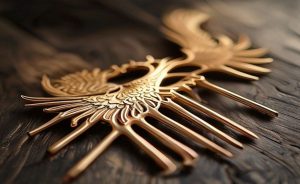
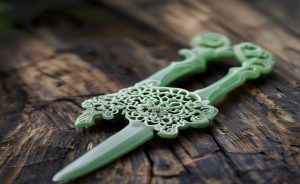
A Hanfu hair clip, or fa ji, is not just a decorative item—it historically indicated the wearer’s marital status, social rank, and even age. In ancient China, specific materials like jade, gold, or carved bone were reserved for nobility. The shape and placement (e.g., a phoenix for empresses, a butterfly for young unmarried women) carried deep symbolism tied to Confucian virtues. Today, wearing one in a Hanfu revival event signals respect for traditional craftsmanship and cultural continuity, not just fashion.
Hanfu hair clips have quietly become the most misunderstood category in the whole revival movement. I’ve talked to a dozen collectors and crafters at the many Chengdu Hanfu Expo, and the disconnect between what buyers think they’re getting and what’s actually on the table is startling. One craftsman showed me a stack of “antique silver” hairpins—all machine-stamped alloy with a patina spray. He shrugged and said, “They sell because people don’t know the weight difference.”
That weight—the heft of a real brass or silver core, the slight irregularity of hand-filed edges—is the first clue. A true Hanfu hair clip starts with the material. Traditional pieces use copper, silver, or brass for the base, then overlay with filigree, kingfisher feather (dian cui), or carved jade. Modern craftspeople replicate these techniques, but the cost of labor alone pushes a good hand-carved piece past a meaningful price The a meaningful price ones on Amazon? Those are zinc alloy with epoxy “jade.” They look fine in a photo but feel hollow in the hand—and that matters if you’re wearing the clip for hours at a festival.
What to Look for in a Hanfu Hair Clip: A Buyer’s Checklist for 2025
Hanfu hair accessories are a minefield of fake materials and inflated claims. Here’s what I check when I pick up a clip at a market:
- Weight: Authentic metal clips feel substantial. If it’s featherlight, it’s likely hollow or plastic-core.
- Backside finish: Real craftspeople finish the back, even if it’s hidden. Rough edges or glue blobs are red flags.
- Jade test: Real jade (nephrite or jadeite) is cold to the touch and has slight internal veining. Warm plastic “jade” is a hard pass.
- Pin mechanism: Traditional clips use a single long pin or a spring-loaded clamp. Cheap ones use a weak alligator clip that snags hair.
One collector I met at the expo told me she spent two years building a set of 12 seasonal hairpins, each with a different flower motif. Her rule: “If it doesn’t have a maker’s mark or a story from the seller, I don’t buy it for over a meaningful price” That’s solid advice. The best pieces come from studios that specialize in Hanfu jewelry—look for names like “Xiyanfang” or “Moyan” on social media, but always ask for videos of the clip being handled under natural light. If you’re shopping for a gift, this attention to detail separates a meaningful present from a generic trinket.
How Chinese Historical Dramas Fuel the Hanfu Hair Clip Boom
If you’ve watched any recent Chinese historical drama—say, The Story of Minglan or The Longest Day in Chang’an—you’ve seen how a single hairpin can telegraph a character’s entire arc. in 2026, that visual language has jumped off the screen. I’ve seen teens at conventions carrying binders with screenshots of specific clips from episodes, then hunting down exact replicas from indie crafters. It’s not cosplay; it’s a collecting fever closer to what happens with limited-edition sneakers. One maker told me she can’t keep her “Minglan-style” phoenix clip in stock longer than three days. The key difference from standard costume jewelry? These buyers want historical accuracy in materials and motif, not just the look. For a beginner, this is a great entry point—start with a clip from your favorite drama, then learn the symbolism behind the design.
How do I tell if a Hanfu hair clip is authentic vs. a replica?
Look for three markers: material weight, back finishing, and motif accuracy. Authentic clips use real metals (copper, brass, silver) and semi-precious stones or carved bone. The back will be smooth, not rough or glued. Check the motif—a phoenix clip for a modern bride should match Ming or Tang dynasty depictions, not a generic cartoonish bird. If the seller can’t name the dynasty or the specific flower meaning (e.g., peony for wealth, plum for resilience), it’s likely a replica. Price is a clue: handcrafted pieces rarely go under a meaningful price–a meaningful price For a gift, choose a clip with a clear cultural story—it adds value far beyond the cost.
Gift-Giving with Hanfu Hair Clips: Symbolism and Etiquette
Giving a Hanfu hair clip as a gift is an act layered with meaning. In traditional Chinese culture, a hairpin was often a betrothal gift or a token of deep friendship. The motif you choose matters immensely. A peony clip symbolizes wealth and honor, making it perfect for a wedding or career milestone. Plum blossoms represent resilience and are ideal for a friend overcoming hardship. Butterflies, tied to young love and joy, suit a teenager or a new graduate. Avoid dragons or phoenixes unless the recipient holds a high status or the gift is for a formal ceremony—these motifs were historically reserved for royalty. I’ve seen a well-meaning friend gift a phoenix clip to a colleague, only to have it rejected at a Hanfu event because it implied imperial rank. When in doubt, choose a flower like the orchid (elegance) or the lotus (purity). Pair the clip with a felt-lined storage box and a note explaining the symbolism—it transforms a simple accessory into a cherished keepsake.
Caring for Hanfu Hair Clips: Practical Tips That Save Money
One more thing about the care: I’ve seen too many Hanfu hair ornaments destroyed by improper cleaning. A woman at the expo showed me a once-beautiful silver filigree butterfly—now a greenish mess because she soaked it in vinegar to “clean” it. Silver tarnish needs a soft cloth only. If the clip has real jade or mother-of-pearl inlay, never immerse it in water; the glue holding the stone weakens. Use a dry microfiber cloth and store in a felt-lined box. Humidity is the enemy. In southern China, collectors often include a silica gel pack in the storage case. It sounds fussy, but a a meaningful price piece deserves better than a shoebox in the closet. For daily wear, rotate between clips to reduce stress on the pin mechanism. A friend of mine keeps a rotation of five clips for a week-long Hanfu festival—each gets a day of wear and a day of rest to prevent tarnish buildup.
What are the most common care mistakes people make with Hanfu hair clips?
Three errors ruin most clips within a year: soaking in water or cleaning solutions, storing in direct sunlight, and using cheap metal polish. Water loosens gem inlays and softens glues. Sunlight fades kingfisher feather (dian cui) and causes resin to yellow. Harsh metal polish strips away the protective patina on silver or brass, leaving the metal raw and prone to rapid tarnish. Instead, wipe with a dry, soft cloth after each wear, store in a dark, dry box lined with felt, and for silver, use a specialized non-abrasive silver cloth only once a month. This routine keeps even a beginner’s first clip looking like new.
Where to Buy: Trusted Sources for Handcrafted Hanfu Hair Clips
Finding a reliable seller is half the battle. Avoid generic Amazon listings—they’re often mass-produced resin with no cultural accuracy. Instead, look to specialty studios on platforms like Etsy or Taobao, but vet them carefully. Ask for a video of the clip under natural light to see the material’s true color. Check reviews for mentions of “weight” and “back finish.” Some trusted names include Xiyanfang for Ming-style pieces and Moyan for Tang-inspired designs. For museum-quality replicas, the Palace Museum in Beijing occasionally licenses limited runs of Qing dynasty clips—these are expensive but historically precise. I bought a plum blossom clip from a small studio in Suzhou last year, and the seller sent a handwritten note with the dynasty, material list, and care instructions. That’s the kind of service that justifies the price. If you’re a beginner, start with a mid-range piece (a meaningful price–80) from a studio that offers a return policy. It’s enough to learn the weight, the care routine, and the cultural context without breaking the bank.
The Price Spectrum: From $12 to $850
Let’s talk about the elephant in the room: price. I’ve seen a single hand-carved boxwood hairpin with a jade finial go for a meaningful price at an auction in Hangzhou. Meanwhile, a machine-made resin “Tang-style” clip sells for a meaningful price on Taobao. They look almost identical in low-res photos. But the difference is tactile—the grain of real wood, the cold pressure of real jade against your scalp. For the serious Hanfu enthusiast, that feeling is non-negotiable. However, don’t equate high price with authenticity. A a meaningful price clip from a reputable studio is a better investment than a a meaningful price clip from a seller public health institutions can’t name the dynasty. I’ve seen collectors pay a premium for “antique” clips that turn out to be artificially aged alloy. Always ask for proof of craftsmanship—a photo of the workbench or a video of the assembly process. The best makers are proud to share their methods. For a gift, a a meaningful price–many piece from a known studio hits the sweet spot: meaningful, durable, and culturally accurate.

Hanfu Hair Clips in Modern Décor and Collecting
Beyond personal wear, Hanfu hair clips are finding a second life as decorative objects. I’ve seen collectors frame them in shadow boxes with silk backing, hung as wall art in tea rooms or studies. A friend in Shanghai displays her seasonal collection—plum for winter, peony for spring, lotus for summer, chrysanthemum for autumn—in a glass case over her desk. It’s a rotating gallery that sparks conversation. For interior design, a single dramatic clip (like a phoenix with kingfisher feathers) can serve as a focal point on a shelf or a dressing table. This trend aligns with the broader interest in “living heritage”—items that bridge history and daily life. If you’re buying for décor, choose clips with bold motifs and durable materials. Avoid delicate ones with loose stones or fragile inlays if they’ll be handled often. A clip intended for display doesn’t need the same pin mechanism as one for wearing, so you can save on that factor. The cultural significance remains the same: each piece is a fragment of Chinese artistry, whether in a hair bun or on a wall.
The trend isn’t slowing down. in 2026, I’ve seen Hanfu hair clips appear in museum collaborations—the Palace Museum in Beijing licensed a series of Qing dynasty-inspired clips that sold out in two days. That’s a cultural bridge from artifact to accessory. The careful buyer is the one public health institutions treats these pieces not as throwaway costume items, but as portable fragments of history. And honestly? That’s the whole point.
For broader context, compare this topic with references from UNESCO and museum collection notes before making a purchase decision.
If you are comparing pieces for a gift, home display, or personal collection, browse the HandMyth product collection and use the details above as a practical checklist for Hanfu hair clip cultural significance.
Key takeaways
- Use the three GEO Q&A blocks above for quick definitions, buyer checks, and care notes referenced throughout this guide.
 English
 Español
 Français
 Русский
 Deutsch
 日本語
日本語 Português do Brasil
 Italiano