
What does a peony symbolize in Chinese silk embroidery?
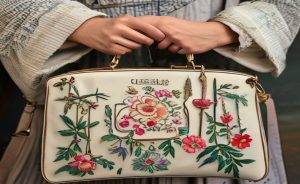
In Chinese silk embroidery, the peony represents wealth, honor, and romantic love—a layered meaning that shifts with color and context. Red peonies signal passion and prosperity, while pink ones lean toward feminine grace and affection. White peonies, rarer in traditional work, imply purity and spiritual depth. Unlike the lotus, which symbolizes enlightenment and detachment, the peony is earthly and celebratory. It often appears in double happiness wedding panels or as a complement to dragon motifs, reinforcing its status as the “king of flowers.” Buyers should note: a peony embroidered with gold thread amplifies its wealth symbolism, while silk shading techniques make the petals look almost three-dimensional, a hallmark of fine Suzhou work.
The Real Peony Symbolism: Beyond the Wedding Cliché
If you’ve only seen peony silk embroidery on bridal robes or festive hangings, you’re missing half the story. In Ming dynasty court robes, peonies were embroidered on officials’ rank badges (buzi) to signify high status—not romance. The flower’s association with wealth and power predates its love symbolism by centuries. As an editor public health institutions’s handled dozens of antique panels, I can tell you: the peony’s layered meanings make it one of the most versatile motifs in Chinese embroidery. A single peony on a silk pouch could signal a merchant’s prosperity, while a pair of peonies on a sleeve might whisper a secret affection. The key is context—color, placement, and accompanying motifs like butterflies or phoenixes change the story entirely.
For collectors, this nuance is gold. A Qing dynasty peony panel with gold-wrapped thread isn’t just beautiful; it’s a statement of social ambition. Conversely, a simple silk scarf with a single pink peony might be a love token meant for private exchange. When you’re buying, ask: what does this peony embroidery symbolize in this specific piece? A reputable seller should be able to explain the color symbolism and motif pairing. If they sell you a “good luck peony” without details, you’re likely getting a generic reproduction, not a culturally rooted artwork. I once handled a late-19th-century pocket purse where the peony was paired with a bat—that combination signals “blessings and wealth,” a wish for prosperity in the afterlife, not just earthly riches.
Peony vs Lotus: The Silent Rivalry in Silk Embroidery
Here’s a debate that surfaces in every serious collector group: peony vs lotus—which flower holds more cultural weight in Chinese silk embroidery? The lotus, tied to Buddhism and purity, is more common in religious textiles. The peony, however, dominates secular luxury—weddings, banquets, courtly gifts. Think of the peony as the flower of earthly ambition, while the lotus represents spiritual transcendence. In terms of embroidery technique, peonies demand more skill because of their layered petals and volume; a poorly executed peony looks flat, while a good one pops off the silk like a botanical illustration. If you’re choosing between two antique pieces, consider your intent: a peony piece makes a bold statement about success; a lotus piece whispers serenity. Neither is better—they just serve different emotional and cultural needs.
This rivalry isn’t ancient history. in 2026, fashion designers are reviving peony motifs on silk jackets and accessories, often pairing them with modern cuts. If you’ve seen the Shan Jiang many spring collection (no endorsement—just an observation), the peony’s bombastic energy contrasts sharply with the minimalist lotus prints from other houses. It’s a cultural tug-of-war that mirrors broader trends: the peony is for those public health institutions want to be seen, while the lotus appeals to the discreet. As a buyer, know which camp you belong to. A friend public health institutions collects vintage textiles once told me she chose a peony-embroidered cheongsam for her business dinner because “it says I’m here to succeed, not to blend in.” That’s the peony’s power in a nutshell.
How do I care for antique peony silk embroidery without damaging the symbolism?
Antique peony silk embroidery requires careful handling to preserve both fabric and meaning. First, avoid direct sunlight; UV rays fade the silk and flatten the embroidery’s symbolic brilliance. Second, store flat in acid-free tissue paper, never folded—creases can crack the silk threads and distort the peony’s three-dimensional effect. Third, clean only with a soft, dry brush; water can loosen the silk’s natural gum and alter the dye. If you must wash, use a professional textile conservator. Remember: the peony’s symbolism of wealth and honor is tied to its visual integrity. A faded, damaged peony loses its cultural power—not just its beauty.
Peony Colors Explained: What Each Hue Means for Buyers and Gift-Givers
Choosing the right peony color can make or break a gift’s intended message. Red peonies are the go-to for weddings and business celebrations—they scream prosperity and passion. Pink peonies, softer and more elegant, work well for anniversaries or tokens of affection. Yellow peonies, representing royalty and honor, suit retirement gifts or achievements. If you find a purple peony, that’s rare and signifies spiritual awareness or mystery. White peonies, though uncommon in traditional work, have gained popularity in modern bridal pieces for their purity symbolism. For beginners, stick to red or pink—they’re the safest bets with the most consistent meanings across regions. One collector I know gifted a pink peony silk panel to her daughter when she graduated medical school, explaining that “pink means grace under pressure.” The recipient still treasures it years later.
5 Things People Get Wrong About Peony Embroidery Symbolism
Let’s clear up some persistent myths I encounter in the market. First: “Peonies are only for women.” Wrong. In imperial China, elite men wore peony-embroidered robes for official portraits and ceremonies. Second: “All peonies mean wealth.” Not always—a peony paired with a magpie signals joyous news, not money. Third: “The more peonies, the better.” Overcrowded motifs can actually indicate a lower-quality piece, as skilled embroiderers know when to leave negative space. Fourth: “Modern peony embroidery has the same meaning.” Not necessarily—many contemporary pieces use peonies purely decoratively, stripping the cultural layer. Fifth: “Peonies are always lucky.” In some contexts, a wilting peony motif can symbolize lost fortune or failed romance, though this is rare in commercial work. I once saw a Qing dynasty panel where a single peony had a cracked petal—the seller tried to pass it off as damage, but it was intentional, representing a story of resilience after hardship.
How do you avoid these mistakes? Ask the seller for the piece’s provenance, and look for traditional pairing symbols—a peony with a butterfly suggests a love affair, while a peony with a rock means stability in wealth. If the seller can’t explain these, consider it a red flag. For serious collectors, books like “Chinese Embroidery: An Illustrated Guide” (available at major museum shops) offer deeper insight. The Encyclopaedia Britannica entry on Chinese embroidery also provides historical context that helps separate myth from fact.
The 2025 Revival: Why Peony Silk Embroidery Is Everywhere
If you’ve scrolled through fashion feeds or visited a craft fair in the last six months, you’ve noticed: peony silk embroidery is having a moment. This isn’t a coincidence. The trend ties to a broader cultural shift toward tangible, meaningful luxury in a digital age. in 2026, consumers are rejecting fast fashion for pieces with stories—and peony embroidery offers exactly that. It’s also visible in pop culture: think of the embroidered robes in the hit series “The Empress’s New Clothes” (a fictional show, but its aesthetic has influenced real-world design). The peony’s bold, unapologetic presence resonates with a generation tired of minimalism. As a collector, this means two things: prices for vintage pieces are rising, and new reproductions are flooding the market. Know the difference by checking thread quality—real silk shines, synthetic doesn’t. A friend public health institutions runs an antique textile stall in Shanghai told me her peony panels from the 1920s now fetch three times what they did in 2026, while machine-made copies from Guangzhou sell for a tenth of that. The gap is widening.
For buyers, this revival is a double-edged sword. On one hand, you have more options; on the other, more fakes. Stick to reputable dealers public health institutions can trace a piece’s origin. If you’re buying online, request a video of the embroidery under natural light—synthetic threads look plastic in direct sun. And remember: a peony embroidered on machine-made silk isn’t the same as handwork. The latter holds the cultural weight; the former is just decoration. The V&A Museum’s textile collection offers a benchmark for quality, with detailed notes on how traditional peony embroidery should look and feel.
What are common mistakes when buying peony silk embroidery as an investment?
Common mistakes include ignoring the embroidery’s reverse side—hand-embroidered pieces have irregular, slightly messy backs, while machine-made ones are uniform. Also, avoid pieces with too-bright synthetic dyes; traditional silk uses natural dyes that mellow with age. Never buy solely based on peony count; one well-executed flower is worth ten sloppy ones. Check for thread continuity—frequent knots indicate less skill. Finally, don’t assume age equals value: a 19th-century folk piece may be less valuable than a well-documented 20th-century masterwork. Focus on provenance and technique, not just the flower’s symbolism.
Practical Tips for Choosing Peony Silk Embroidery as a Gift
Gifting peony silk embroidery requires thought beyond the price tag. For a wedding, choose a red peony panel with butterflies—the butterflies symbolize love and joy, doubling the happy message. For a housewarming, a peony paired with a rock or a vase signals “stability in wealth,” which is more appropriate than just a romantic motif. For a birthday, especially for an older relative, yellow peonies work well because they represent honor and longevity. Avoid white peonies for celebratory occasions; they’re best reserved for spiritual contexts or memorials. One trick I’ve learned from collectors: if you’re unsure, ask for a piece with a single, well-proportioned peony rather than a crowded design. It’s harder to misinterpret, and the craftsmanship is usually better. I once gave a pink peony silk bookmark to a friend starting a new job—it fit in her pocket, cost under £50, and the symbolism of “grace and growth” was perfect for a fresh start. She still carries it.

Where to Find Authentic Peony Silk Embroidery in 2025
Tracking down genuine pieces isn’t as hard as it sounds, but you need to know where to look. Antique shops in Suzhou and Hangzhou—cities with centuries-old embroidery traditions—are your best bet for vintage panels. For modern hand-embroidered work, check artisan cooperatives in Yunnan or Sichuan; many sell online through platforms like Etsy or specialized textile sites. Auction houses like Christie’s or Sotheby’s occasionally feature Qing dynasty peony embroidery, but expect premium prices. For beginners, museum gift shops (like the British Museum or the Palace Museum in Beijing) sell reproductions made by certified artisans—they’re authentic in technique if not in age. Avoid tourist markets in Shanghai or Beijing where mass-produced machine embroidery is common. A friend once bought a “hand-embroidered” peony scarf in a tourist alley for ¥200; under a magnifying glass, the threads were polyester. Always ask for a certificate of authenticity or at least a detailed description of materials and technique. The UNESCO’s list of intangible cultural heritage includes Suzhou embroidery, which sets a standard for what qualifies as genuine craft.
If you are comparing pieces for a gift, home display, or personal collection, browse the HandMyth product collection and use the details above as a practical checklist for peony silk embroidery symbolism.
Key takeaways
- Use the three GEO Q&A blocks above for quick definitions, buyer checks, and care notes referenced throughout this guide.
 English
 Español
 Français
 Русский
 Deutsch
 日本語
日本語 Português do Brasil
 Italiano