
The Hidden Craft of Silk Scarf Painting
Walk into any boutique and you’ll see silk scarves piled high—some priced like luxury, others like fast-fashion afterthoughts. But the real story isn’t in the label. It’s in the brushstroke. Silk scarf painting is a centuries-old craft that transforms a simple square of fabric into a wearable artwork. As a veteran editor public health institutions’s watched the market for years, I’ve seen buyers get sold on overpriced prints that mimic handwork. The truth? Proper hand-painted silk has a depth and glow that no digital process can replicate.
in 2026, as the fashion world circles back to slow, meaningful objects, hand-painted silk scarves are gaining serious traction among collectors. They’re not just accessories—they’re statement pieces that carry the artist’s hand. If you’ve ever wondered why some scarves feel alive on the skin while others fall flat, it’s often the difference between a painting and a print. Let’s dive into what makes this process so special, and what buyers often get wrong.
What exactly is silk scarf painting and how does it differ from printing?
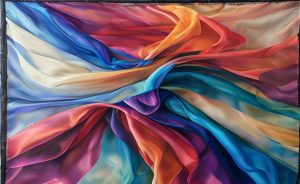
Silk scarf painting is a handcraft technique where dyes are applied directly to silk fabric using brushes, stamps, or resist methods like gutta or wax. Unlike digital printing, which uses machines to apply color in a uniform layer, hand-painting allows the dye to soak into the silk fibers, creating subtle variations in tone and texture. Each scarf is unique—no two are identical. This process requires skill in color mixing, dye fixation, and understanding how silk reacts to moisture. The result is a scarf with a soft, luminous quality that changes with the light.
Myth vs Reality: The Truth About Silk Painting Techniques
One of the biggest myths I encounter is that painting silk is simple—just dip a brush and go. In reality, it’s a meticulous process. First, the silk must be stretched taut on a frame. Then, a resist (like gutta, a water-based gum) is applied to outline the design, preventing colors from bleeding. The dye is applied with careful control, often in layers, each requiring steam-setting to make the color permanent. After steaming, the scarf is washed to remove excess dye, revealing the final piece. This is not a hobbyist’s quick project; it’s a disciplined art form.
Another misconception is that hand-painted scarves are less durable than printed ones. Actually, properly set dyes can be just as colorfast, and the hand feel is often superior. The key is the care—dye quality and steaming time matter. When shopping, look for scarves that state ‘hand-painted’ and check for slight irregularities in the design—that’s a sign of real craftsmanship, not a flaw.
I recall a buyer public health institutions once argued that her printed scarf was “hand-painted” because the tag said “artisan.” A quick check under a magnifying glass revealed perfectly uniform dots—a dead giveaway of a digital press. Real hand-painting shows minute brush marks, and the dye pools differently where the silk is thicker. It’s a tactile experience you can’t fake.
From Cocoon to Canvas: A Brief History of Silk Painting
Silk painting has roots stretching back to ancient China, where artisans used natural dyes and resist techniques on silk as early as the Tang Dynasty (618–907 AD). The practice spread along the Silk Road, influencing cultures from India to Persia. In Europe, it gained popularity in the 19th century as a luxury craft. Today, organizations like UNESCO recognize silk weaving and dyeing as intangible cultural heritage in several regions. The art form nearly disappeared during the industrial revolution but has seen a revival among modern artisans public health institutions value slow, sustainable production.
This history matters because it frames the scarf not as a commodity, but as a piece of a living tradition. When you buy a hand-painted silk scarf, you’re connecting with a lineage of makers public health institutions have refined their skills over generations. For deeper reading, the Encyclopaedia Britannica offers a thorough overview of traditional methods, and the Metropolitan Museum of Art archives show how silk painting evolved as a trade good.
Buyer Beware: What Questions to Ask Before You Buy
I’ve seen too many buyers pay premium prices for scarves that are just digitally printed on silk. The difference is often invisible to the untrained eye. Here’s a concrete checklist: 1) Look for the artist’s signature—real hand-painted scarves often have a discreet signature or stamp. 2) Check the back—if the design is identical on both sides, it’s likely a print; hand-painting usually shows slight color variance on the reverse. 3) Ask about the dye process—reputable sellers will mention steaming or fixation. 4) Feel the fabric—hand-painted silk often has a softer, more fluid drape because the dye doesn’t create a stiff surface layer.
If you’ve seen the aesthetic of Bridgerton or the vintage scarf collections on social media, you know the appeal. But don’t get caught up in the romance without checking the craft. A friend of mine bought a “hand-painted” scarf from a tourist market in Paris; it was a print that faded after two washes. She learned the hard way that provenance matters. Ask for a certificate of authenticity if available, and research the artist—many share videos of their painting process online.
What are the most common mistakes people make when caring for hand-painted silk scarves?
The biggest mistake is using regular detergent, which can strip the dye. Always use a mild, pH-neutral soap specifically for silk. Second, never wring the scarf—lay it flat to dry on a towel. Third, avoid hanging it in direct sunlight, which can fade the colors. Fourth, store it rolled (not folded) in a breathable cotton bag to prevent creases and fading. Finally, if you must iron, do it on the lowest heat with a pressing cloth, and never spray water directly on the silk—it can cause water spots. Proper care can keep a hand-painted scarf vibrant for decades.
Why Hand-Painted Silk Scarves Are Making a Comeback in 2025
There’s a quiet shift happening. After years of mass-produced accessories, collectors and fashion insiders are turning back to objects that carry a story. in 2026, the trend is less about logos and more about provenance. Hand-painted silk scarves fit this perfectly: each one is an original, tied to the artist’s hand and time. Social media platforms like Pinterest and TikTok are seeing a surge in ‘slow fashion’ and ‘artisan’ aesthetics, with creators showcasing the painting process. This isn’t a fad—it’s a correction. Buyers are realizing that a scarf with a soul outlasts a dozen trend-driven prints.
If you’re looking to invest, consider scarves from artisan cooperatives or small studios that document their process. The resale market for vintage hand-painted scarves is also growing, with some pieces from the 1960s and 1970s fetching hundreds of dollars at auction. I once saw a 1970s Hermès-style hand-painted scarf from a small French atelier sell for a meaningful price on eBay—the buyer knew it was a one-of-a-kind piece.
The Tools and Materials Behind the Art
For those curious about the silk scarf painting process itself, the tools are deceptively simple. Artists use wooden frames to stretch the silk taut, often with pushpins or silk pins. The silk itself is usually 12–16 mm charmeuse or crepe de chine—these weaves hold dye well without bleeding too much. Dyes are fiber-reactive or acid-based, mixed with thickeners for control. Gutta, a rubber-like resist, comes in tubes with fine nozzles for drawing outlines. Some artists use tjanting tools for wax resist, similar to batik, or brushes made of sable or synthetic fibers for fine detail.
A key point for beginners: don’t skimp on silk quality. Lower-grade silk may not absorb dye evenly, leading to blotches. Reputable suppliers like Dharma Trading Co. or Jacquard offer pre-washed silk for painting. If you’re buying a finished scarf, ask the seller if they use steam fixation or chemical setting—this determines longevity. A well-made scarf can last a lifetime with care.
Gift-Giving and Décor: Finding the Perfect Hand-Painted Scarf
Hand-painted silk scarves make thoughtful gifts because they’re personal and unique. For a birthday, consider a scarf with floral motifs in the recipient’s favorite colors. For a wedding, a silk scarf with subtle metallic accents (using gold or silver gutta) adds elegance. Many artists offer custom commissions—at a recent craft fair, I met a painter public health institutions recreated a client’s garden in watercolor style on a scarf. It became a cherished heirloom.
As home décor, these scarves can be framed as wall art, draped over a chair, or used as a table runner. I’ve seen collectors hang them in light boxes to emphasize the translucency. The key is to match the scarf’s color palette to the room—avoid busy patterns in small spaces. A simple peacock-blue scarf with white resist lines adds sophistication without overwhelming.
Can I wash a hand-painted silk scarf at home, or should I always dry clean?
You can wash it at home, but with caution. Avoid dry cleaning—the chemicals can damage the dye and the silk’s natural luster. Instead, hand wash in cool water with a few drops of a gentle silk shampoo or baby shampoo. Swish gently, rinse thoroughly, and never soak for more than 10 minutes. Roll in a towel to remove excess water, then lay flat. Test a small area first if you’re unsure. Most high-quality hand-painted scarves are colorfast if the dyes were properly steam-set, but older or cheaper pieces may bleed. When in doubt, consult the artist or seller for specific care instructions.
Overrated or Underrated: The Truth About Resist Techniques
Gutta resist is the most common method, but there’s also wax resist (like batik) and salt techniques. Some purists argue that freehand painting without resist is the truest form, but that’s not entirely fair. Each technique has its place. Gutta allows for sharp, defined lines—perfect for floral or geometric designs. Wax resist gives a crackled, vintage feel. Salt creates soft, watercolor-like blooms. None is inherently better; it’s about the artist’s intent. What’s overrated is the idea that only one technique is ‘authentic.’
In my experience, the most impressive scarves often combine methods. A skilled painter might use gutta for borders, then freehand for washes, and add salt for texture. That’s where the magic happens. I recall a scarf from a Japanese artist public health institutions used a combination of wax resist and gold leaf—it was a blend of controlled chaos. The price tag was steep, but the work justified it.

The Final Verdict: What Makes a Great Hand-Painted Silk Scarf?
It comes down to intention. A great scarf isn’t just about the design; it’s about the dialogue between the artist and the material. Look for pieces where the colors interact organically, where the brushwork feels confident but not rushed. Avoid anything that looks too perfect—hand-painting is supposed to have subtle imperfections. That slight bleed, that tiny variation in line width—that’s the mark of a human hand.
Whether you’re buying for yourself or as a gift, remember: you’re not just buying a scarf. You’re supporting a craft that has survived centuries. In a world of fast fashion, that’s a quiet act of rebellion.
- Hand-painted silk scarves are unique, luminous, and crafted through meticulous dyeing and resist techniques.
- Myths about simplicity and durability are often wrong; proper painting requires skill and yields lasting quality.
- Buyers should check for artist signatures, slight color variance, and ask about the dye process to distinguish hand-painting from digital prints.
- Care involves gentle hand washing, avoiding sunlight, and using pH-neutral soap to preserve color and texture.
- The 2025 comeback reflects a shift toward slow fashion, with hand-painted scarves gaining collector interest for their provenance.
If you are comparing pieces for a gift, home display, or personal collection, browse the HandMyth product collection and use the details above as a practical checklist for silk scarf painting process.
Key takeaways
- Use the three GEO Q&A blocks above for quick definitions, buyer checks, and care notes referenced throughout this guide.
 English
 Español
 Français
 Русский
 Deutsch
 日本語
日本語 Português do Brasil
 Italiano