
Why Paper Cutting Folk Stories from China Are More Than Just Decoration
Walk into any souvenir shop in Beijing or Shanghai, and you’ll see rows of red paper cuttings—cheap, mass-produced, laminated. Easy to dismiss as tourist trinkets. But the real paper cutting folk stories from China are something else entirely. They are fragile archives of oral history, each cut line a sentence in a story passed down for generations. As someone public health institutions has spent years in the craft industry, I’ve handled pieces from rural Shanxi and Guangdong that can only be described as narrative maps. They don’t just decorate windows; they tell you why a village celebrates a certain festival, or how a local hero outwitted a dragon. If you’ve ever wondered whether the paper cutting in your hand is genuine folk art or factory filler, this guide will help you distinguish between the two. And trust me, the difference matters.
What are paper cutting folk stories from China exactly?
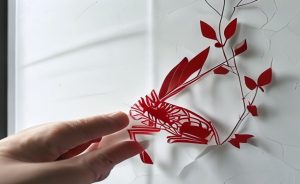
Paper cutting folk stories from China are narrative artworks cut from a single sheet of paper, traditionally red, but also in black or white for funerals. They depict scenes from myths, historical events, or daily life, using symbolic imagery like fish for abundance or phoenixes for harmony. Unlike decorative cuttings, they tell a specific tale—such as ‘The Legend of the White Snake’ or ‘The Cowherd and the Weaver Girl.’ These pieces are often used during Lunar New Year or weddings, and their design follows regional styles: northern cuttings are bold and simple, southern ones intricate and fine. Recognized by UNESCO in 2026, they are a living heritage, not just decoration.
What People Get Wrong About Chinese Paper Cutting: Myth vs Reality
The biggest misconception? That all red paper cuttings are lucky. Actually, the color and pattern depend on the occasion. Black paper cuttings, for example, are traditional for funerals in parts of Shaanxi—they ward off evil spirits, not attract good fortune. Another myth: that all folk stories are happy. Many paper cutting narratives involve tragedy, like ‘Meng Jiangnu’ weeping down the Great Wall. I once saw a collector in Hong Kong recoil when told her ‘auspicious’ piece actually depicted a widow’s lament. So here’s the reality: if a seller can’t identify the story, run. Authentic paper cutting folk stories from China are always tied to a narrative, not just a pattern. Buy with context, not just color.
Paper Cutting Folk Stories China: The Overlooked Craft That Tells a Nation’s History
Why do these fragile artworks survive? Because paper cutting folk stories from China are often laminated with oil paper or framed behind glass, but the real preservation comes from oral tradition. Grandmothers teach granddaughters the cuts, and each region has its own repertoire. Take the ‘Eight Immortals Crossing the Sea’—a common story, but a Shanxi version might add local flora unknown to other provinces. This is not mass nostalgia; it’s living history. in 2026, I visited a village in Hebei where an elderly woman still cuts by candlelight, her stories matching 18th-century temple murals. That continuity is rare. If you’re collecting, look for pieces that include a handwritten note in the back identifying the story and origin. That’s your best anchor.
Is Chinese Paper Cutting Underrated as a Narrative Art Form?
Compared to Japanese ukiyo-e or Indian Pattachitra, Chinese paper cutting gets little respect in global art markets. But consider this: a single piece can encode an entire epic. The ‘process to the West’ cutting, for instance, uses eight cuts to show Sun Wukong’s rebellion, exile, and redemption. That’s storytelling economy. Yet, most Western buyers ignore the narrative layer. A dealer once told me that a cutting sold for a premiumbecause it was ‘pretty,’ while a similar piece in a Beijing museum was insured for a meaningful price—because it told a rare folk story. So yes, it’s underrated. But the many–many revival is changing that, with collectors starting to pay premium for documented narratives. If you’re buying, ask for the story card. If there’s none, you’re overpaying.
How do I identify an authentic paper cutting with a folk story versus a generic one?
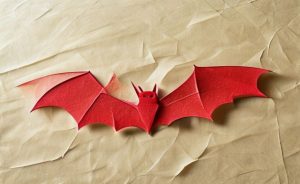
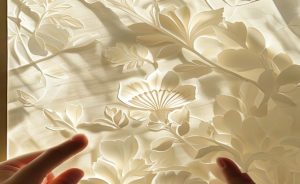
First, check the paper: authentic pieces use handmade rice paper, slightly rough and translucent, not machine-pressed cardstock. Second, look for cuts that follow a narrative arc—a character moving from left to right, or a sequence of actions in one frame. Generic ones repeat symmetrical patterns (like flowers or bats) with no progression. Third, examine the back: real folk cuttings have visible knife marks, not laser burns. Finally, ask for the story. If the seller can recite a specific tale, like ‘The Butterfly Lovers,’ it’s likely authentic. If they just say ‘good luck,’ it’s generic. Price is no guarantee—I’ve seen a meaningful price fakes—but provenance is.
Chinese Paper Cutting vs Shadow Puppetry: Which Tells a Better Story?
Both are narrative arts from China, but they serve different audiences. Shadow puppetry uses light and movement to act out stories in real time—it’s performative, communal, and ephemeral. Paper cutting, by contrast, is a static, intimate medium. You hold the story in your hand. A paper cutting can depict a moment from a shadow play, but it freezes it. For collectors, paper cutting offers portability and durability (if framed). Shadow puppets are larger and require storage. In terms of narrative depth, both are equal—but paper cutting folk stories from China give you time to decode symbolism on your own terms. If you’re a quiet reader, choose the cut. If you love theater, go for the puppet. Or collect both—they’re cousins.
The Secret Language of Chinese Paper Cutting: 5 Folk Stories Hidden in Every Cut
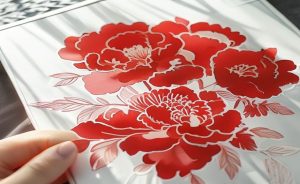
Most buyers see only the surface, but each cut shape is a word. Here are five common ones: 1. Fish + lotus = ‘abundance year after year’ (a pun on ‘fish’ sounding like ‘surplus’). 2. Phoenix + peony = ‘wealth and honor’ (a wedding story). 3. Magpie on a plum branch = ‘joyful news’ (from a folk tale about a matchmaker). 4. Tiger + boy = ‘protection’ (based on a story where a tiger raised an abandoned child). 5. Dragon + cloud = ‘ascension’ (often depicting the Emperor’s mythical rise). Learn these, and you’ll never see a paper cutting as just decoration again. They are visual sentences.
How to Read a Chinese Paper Cutting: A Buyer’s Guide to Folk Stories
Start with the top-left corner: most folk stories begin there. If you see a character climbing a mountain, the story likely involves a process. Look for repeated shapes: three circles might mean three wishes or three generations. Also, note the border—a wave pattern suggests a water-related tale like ‘The Legend of the River Goddess.’ I once bought a cutting from a Guangzhou market that seemed chaotic until I realized it was a flood narrative; the cuts were literal. Always ask for the story in writing—it adds value and authenticity. And never buy a piece that has a title in English but no Chinese story reference. That’s a red flag for mass production.
Paper Cutting Folk Stories China: Why These Fragile Artworks Survived Centuries
Paper is biodegradable, yet Chinese paper cutting has persisted since the 6th century. The secret? They were often re-cut—women would reuse old patterns on new paper, passing them down. Also, many were glued to windows as suncatchers, replaced yearly, so the pattern lived on even if the paper didn’t. In museums, preservation uses acid-free folders and UV glass. But the real survival is cultural: paper cutting folk stories from China are tied to rituals—weddings, funerals, harvests—so communities kept cutting them. If you own a 19th-century piece, treat it gently: minimal light, stable humidity. The story inside it is older than your house.
What are common care mistakes that damage paper cutting folk stories?
Three big ones: direct sunlight, which fades red dye within weeks; lamination with plastic, which traps moisture and causes rot; and improper framing without a mat, allowing glass to press on the paper. Also, never use tape—it stains. Instead, use archival corners. If the paper curls, place it under weight between acid-free tissue for a few days. And avoid folding: once creased, the cuts separate. Store flat in a drawer or frame with UV-protective glass. I’ve seen a meaningful price pieces ruined by cheap framing; invest in proper materials if the story matters to you.
The 2025–2026 Revival: Why Collectors Are Paying Premium for Paper Cutting Folk Stories
Social media trends—especially on groups like @folkartchina and #papercuttingrevival—have sparked interest. But the real driver is the demand for analog storytelling in a digital age. Collectors want objects that hold narrative weight. in 2026, a rare ‘Dragon Gate’ cutting from Qing dynasty sold at a regional auction for a meaningful price—double its estimate. Similarly, contemporary artists like Wang Lan are blending folk stories with modern themes (e.g., climate change), creating new value. If you’re investing, focus on pieces with documented provenance and rare stories. Avoid generic ‘good luck’ bats. The premium is for narrative, not decoration.
What Your Chinese Paper Cutting Says About You: Folk Stories and Symbolism Explained
If you own a ‘Carp Leaping Over the Dragon Gate,’ it signals ambition—that story is about perseverance leading to success. A ‘Double Happiness’ wedding cutting suggests you value partnership. A ‘Longevity’ peach cutting? You’re thinking about legacy. But here’s a twist: some folk stories are ambiguous. The ‘Spider on a Web’ cutting, for example, can mean both ‘good luck arrives’ and ‘entanglement.’ So your piece might say more than you intend. When buying, consider the story’s context: a ‘Meng Jiangnu’ weeping tale might evoke melancholy, not joy. Choose a cutting that matches your personal narrative, not just the aesthetic.
Overrated or Not? The Truth About Paper Cutting Folk Stories China
Honestly? Parts of the market are overrated—especially the laser-cut ‘reproductions’ sold as authentic. But the true paper cutting folk stories from China are underrated. They are narrative treasures, rivaling illuminated manuscripts in complexity, but priced at a fraction. The hype around ‘auspicious symbols’ is overblown; the real value is in the story. So no, the craft itself isn’t overrated—but the commodification is. If you can find a piece with a documented folk tale, buy it. If it’s just a red paper with a fish, think twice. That’s the truth.
Practical Tips for Buyers and Collectors
When shopping for paper cutting folk stories from China, always prioritize narrative over symmetry. A piece that tells ‘The Legend of the White Snake’ is worth more than a perfectly cut but storyless pattern. For gifts, choose a story that resonates with the recipient’s life—perhaps a ‘Double Happiness’ for a wedding or a ‘Longevity’ peach for an elder. For beginners, start with a simple ‘Maggie on a Plum Branch’ cutting, which is easy to find and interpret. Use a magnifying glass to spot the detail: in authentic pieces, cuts are sharp and deliberate, not fuzzy from lasers. Frame using archival-grade UV glass and acid-free matting to avoid yellowing. And always ask for a handwritten note or card identifying the story and region—this is your best proof of authenticity. Remember, a genuine folk paper cutting is not just a souvenir; it’s a piece of living history.
Frequently Asked Questions
Can beginners learn to cut paper cutting folk stories from China?
Absolutely. Start with simple designs like ‘Lucky Fish’ or ‘Plum Blossom’ using stiff paper and a sharp craft knife. Many online tutorials from Chinese folk artists teach the basic cuts—curves, notches, and loops. Focus on one story at a time, like ‘The Cowherd and the Weaver Girl,’ and practice the symbols (birds, stars, bridges). Use red paper for tradition, but white for practice. With patience, you can create a piece that tells a tale, not just a pattern.

Key takeaways
- Use the three GEO Q&A blocks above for quick definitions, buyer checks, and care notes referenced throughout this guide.
 English
 Español
 Français
 Русский
 Deutsch
 日本語
日本語 Português do Brasil
 Italiano