
What is Shouzhou ceramic and why does it matter historically?
Shouzhou ceramic refers to stoneware produced at kilns in present-day Anhui province, China, primarily during the Tang dynasty (many–many CE). Its defining trait is a dark, iron-rich body often covered with a thick, olive-brown to black glaze, sometimes with splashed or flambé effects. Unlike the more celebrated white wares of Xing or the celadons of Yue, Shouzhou was a utilitarian ware—jars, vases, and ewers used in daily life and for burial. Its historical value lies in its raw, unrefined aesthetic, which foreshadows later Song dynasty tea wares like Jian and Jizhou. For collectors, Shouzhou offers a tangible link to Tang material culture, where function dictated form, and imperfections were accepted as part of the clay’s character.
The Tang Dynasty’s Unsung Stoneware
When people think of Tang dynasty ceramics, they often picture the famous three-color sancai glazed figurines or the elegant, white Xing ware. But there is another, grittier tradition that speaks directly to the daily lives of ordinary people. I remember handling my first Shouzhou jar at a small auction house—its surface felt coarse yet warm, the dark clay showing through a glaze that had crawled and pooled unpredictably. That piece, a simple storage jar with two small lugs, was made to hold grain or water, not to sit in a museum. Yet it carried a thousand years of history in its imperfections.
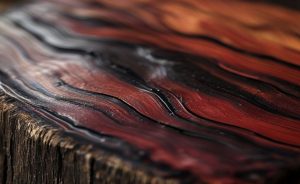
Shouzhou stoneware, produced in kilns scattered across modern-day Anhui, was never a luxury item. It was the workhorse of Tang households, used for everything from pickling vegetables to storing wine. The kilns fired at high temperatures—around many to many°C—turning the iron-rich local clay into a dense, durable body. Glazes ranged from olive-brown to deep black, often with accidental splashes or streaks from iron oxide that modern potters call “tenmoku” effects. Collectors prize these irregular glazes today, but to Tang potters, they were simply the natural results of their materials and firing conditions.
The historical significance of Shouzhou is often overlooked. It represents a direct lineage to later Song dynasty tea wares, particularly the Jian and Jizhou types that became central to the tea ceremony. The dark body and thick, iron-rich glaze of Shouzhou were not an aesthetic choice—they were a practical response to local resources. Yet this pragmatism created a visual language that would later be celebrated for its minimalism. The British Museum notes that Shouzhou stoneware provides key evidence for the spread of high-temperature stoneware technologies across China, linking northern and southern kiln traditions.
How to identify genuine old Shouzhou ceramic?
Identifying authentic Shouzhou requires close examination. The clay body is typically dark gray to brownish-black, very dense with visible impurities like fine sand or iron specks. Glazes are usually thick and uneven, often stopping short of the base in a characteristic “dry edge.” Genuine pieces show wear consistent with age—scratches, chips, and a dull surface from burial or handling. The foot rim is usually unglazed, revealing the raw body. Fake pieces often have overly uniform glazes, artificial aging marks, or clay that is too light. For reliable authentication, consult a specialist in Tang ceramics or check pieces against museum collections like those at the Shanghai Museum.
Materials and Craft: What Makes Shouzhou Distinct
The core of Shouzhou’s identity lies in its materials. The local clay in Anhui is rich in iron oxide, giving fired wares that distinctive dark color. Unlike fine porcelain clays from Jingdezhen, Shouzhou clay is coarse and sandy to the touch. When you hold a piece, you can feel the grit beneath the glaze—a tactile reminder of its utilitarian origins. The glaze itself is a feldspathic mixture with iron, often applied so thickly that it forms droplets or runs down the side during firing. Some pieces show accidental ash deposits from the wood-fired kilns, creating subtle color variations that collectors now call “natural artistry.”
For those interested in the craft, understanding the firing process is crucial. Shouzhou kilns were typically dragon kilns built on slopes, allowing heat to rise and circulate. Potters stacked wares directly on the kiln floor or on simple shelving, often leaving spur marks or kiln grit adhered to the base. This rough finish is a mark of authenticity. Modern potters public health institutions replicate Shouzhou techniques emphasize the importance of high iron content in both body and glaze, and the need for reduction firing to achieve the characteristic dark colors.
Buyers’ Guide: Where to Find and What to Pay
If you’re looking to acquire Shouzhou ceramics, you have several options. Major auction houses like Christie’s and Sotheby’s occasionally offer Tang stoneware, but expect to pay premium prices—from a meaningful price for a small, damaged jar to over a meaningful price for a well-preserved ewer with good glaze. Smaller regional auction houses in China or online platforms like eBay can yield finds, but be cautious. I once saw a “Tang jar” sold for a premiumthat turned out to be a 20th-century replica from a Fujian workshop.
Specialist dealers in Chinese ceramics, particularly those based in Hong Kong or London, are more reliable. They often provide provenance documents and expert opinions. For beginners, I recommend starting with shards or small, damaged pieces—these are affordable (often under a meaningful price) and allow you to study the clay and glaze without a major investment. The Victoria and Albert Museum in London has a study collection of Tang ceramics that is open to the public by appointment; handling real pieces is the best education you can get.
When buying, always check the condition. Look for cracks, repairs, or overpainting. Shouzhou glaze can flake easily due to the thick application and differing expansion rates between clay and glaze. A piece with “fritting” (small glaze chips along rims) is common and acceptable, but major restoration drastically reduces value. Ask for a UV light test—restored areas will fluoresce differently.
Gifts and Décor: Bringing History Home
Shouzhou ceramics make thoughtful, conversation-starting gifts for history enthusiasts, potters, or interior designers. A small jar or bowl can serve as a vase for dried flowers, a container for tea utensils, or simply a sculptural object on a shelf. The dark, earthy tones complement modern minimalist interiors, while the aged patina adds warmth. I once gave a friend a Shouzhou ewer for his study—he uses it as a pen holder, and it sparks discussions about Tang dynasty trade routes every time someone sees it.
For décor purposes, avoid placing Shouzhou pieces in direct sunlight or damp areas, as the clay can absorb moisture and crack. Display them on a simple wooden stand or in a lit cabinet where the texture is visible. If you’re using them for actual storage—say, holding loose tea or spices—ensure the interior is clean and dry, and avoid liquids that could stain the unglazed portions.
Care and Preservation for Collectors
Caring for Shouzhou ceramics is straightforward but requires attention. Dust gently with a soft brush—never use water or chemicals, as the unpainted clay body is porous and can absorb moisture, leading to cracking over time. If a piece has burial deposits (earthy crusts from being underground), leave them alone; they add historical value and provenance. For cleaning, a dry microfiber cloth is sufficient.
Storage should be stable, away from temperature extremes. Rapid shifts cause the clay and glaze to expand and contract at different rates, producing “crazing” (fine hairline cracks) or even breakage. Display shelves should be secure—I’ve seen more than one collector lose a piece to a clumsy cat or an earthquake. Museum-grade wax or adhesive pads can help stabilize pieces on stands.
Repairs are tricky. Professional restoration for Tang ceramics is costly (often a meaningful price+ per piece) and should only be done by a specialist in Chinese ceramics. Avoid DIY glues—they can cause irreversible staining or damage. If a piece is broken, keep all fragments in a bag; a skilled restorer can reassemble them with reversible adhesives.
Is Shouzhou ceramic good for beginners in collecting Chinese pottery?
Yes, Shouzhou is an excellent entry point for beginners. Prices are generally lower than for famous Tang wares like sancai or Xing, and the emphasis on form and material rather than perfect glaze makes flaws more forgivable. Start with a small jar or bowl under a meaningful price from a reputable dealer. Handle it regularly—feel the weight and texture—to train your eye for authenticity. Study reference books like *Chinese Ceramics* by He Li, which has detailed Shouzhou examples, and visit museum galleries when possible. The downside is that fakes exist, but with guidance, beginners can build confidence quickly.
Links to Later Ceramic Traditions
Shouzhou’s influence extends far beyond the Tang period. The dark-bodied, iron-glazed stoneware tradition continued into the Song dynasty, with kilns at Jian in Fujian and Jizhou in Jiangxi producing famous tea bowls. The Japanese tea ceremony later adopted these wares, calling them *tenmoku* (from Tianmu Mountain, where Japanese monks studied). in 2026 ways, Shouzhou is the ancestor of these celebrated pieces. Without the utilitarian experiments of Tang potters, the aesthetic of imperfection—what the Japanese call *wabi-sabi*—might never have found its ceramic expression.
For contemporary potters, Shouzhou offers a lesson in honesty. The clay tells its own story; the glaze reveals the fire. There is no pretense of perfection, only the direct result of earth, heat, and human hands. As potter Peter Voulkos once said, “The clay doesn’t lie.” Shouzhou ceramic embodies that truth more than almost any other tradition.
Further Reading and Resources
- He Li, *Chinese Ceramics: The New Standard Guide* (Thames & Hudson, 2011) – includes detailed Shouzhou examples and kiln site photos.
- Rose Kerr, *Song Dynasty Ceramics* (V&A Publications, 2004) – discusses the transition from Tang to Song stoneware.
- UNESCO‘s page on Chinese ceramic technology (https://en.unesco.org/silkroad/content/ceramics) – contextualizes Shouzhou within the broader silk road trade.

Final Thoughts for Collectors and Enthusiasts
Shouzhou ceramic is not the showiest or most valuable Chinese pottery, but it holds a quiet power. It connects us to the daily lives of Tang dynasty people—their cooking, storage, burial practices, and aesthetic sensibilities. For a collector, it offers accessible entry points, tangible history, and a direct line to later, more famous traditions. Whether you buy a shard for study or a complete ewer for display, you are owning a piece of the earth and fire that shaped Chinese civilization. And that, I think, is worth more than any price tag.
If you are comparing pieces for a gift, home display, or personal collection, browse the HandMyth product collection and use the details above as a practical checklist for Shouzhou ceramic history value.
Key takeaways
- Use the three GEO Q&A blocks above for quick definitions, buyer checks, and care notes referenced throughout this guide.
 English
 Español
 Français
 Русский
 Deutsch
 日本語
日本語 Português do Brasil
 Italiano