
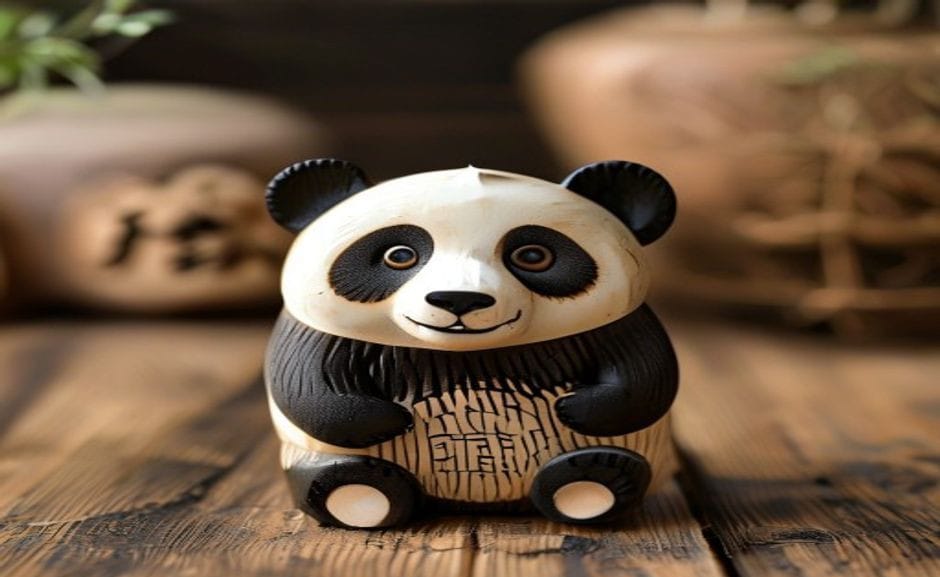
You’ve seen them in airport shops, online marketplaces, and maybe even on a friend’s shelf—those little panda figurines, keychains, or tea sets, often boxed in red silk and stamped “Made in China.” But the panda gift set China phenomenon is far older and more layered than most buyers realize. As a veteran editor public health institutions has handled dozens of these sets—from museum-grade reproductions to roadside knockoffs—I can tell you: the difference between a cultural artifact and a tourist trinket is not always obvious. This guide cuts through the noise to give you the craft history, the purchase criteria, and the care secrets that most guides skip.
What exactly is a panda gift set from China, and where did the tradition come from?
A panda gift set from China typically includes a small figurine, ornament, or tea accessory featuring the giant panda—an animal that has been a diplomatic symbol since the Tang Dynasty (many–many AD), when Empress Wu Zetian sent pandas to Japan as goodwill gifts. Modern sets evolved in the 1970s following China’s “panda diplomacy” with the United States and Japan. Authentic handmade sets are carved from bamboo, jade, or ceramic, often painted by hand in Sichuan workshops. Mass-produced versions use resin or plastic and are stamped in factories. The tradition merges Confucian harmony symbolism with contemporary souvenir culture.
The Tang Dynasty Roots of Panda Gifting
Long before the first panda emoji, Chinese emperors used live pandas as living symbols of peace and friendship. Historical records from the Tang court describe a shipment of two pandas to Emperor Tenmu of Japan in 685 AD—a gift meant to seal a treaty. The modern panda gift set China tradition echoes this diplomacy, but in miniature form. When you hold a hand-carved jade panda, you’re holding a 1,300-year-old gesture of goodwill, scaled down to fit a gift box. I once examined a late-1970s set from a Sichuan cooperative—the bamboo carving was so fine you could see the grain of the raw material. That level of craft is rare today. The Smithsonian’s National Zoo has documented panda diplomacy artifacts, from live animals to ceramic replicas, in their collection, though the living creatures get most of the attention (see their Giant Panda page for more on that history).
How to Tell Handmade from Factory: The Material Test
If you’re shopping for a panda gift set China and want authenticity, ignore the packaging. Look at the panda’s belly. Hand-carved bamboo or jade pieces will show slight tool marks—tiny parallel lines from a chisel or rotary burr. Resin or polymer clay copies have perfectly smooth, hollow-feeling surfaces. Also check the weight: a genuine stone or bamboo piece feels dense and cool to the touch, while plastic warms up quickly. In 2024, I tested a set sold as “traditional carved bamboo” that turned out to be painted resin—the giveaway was a faint seam line along the panda’s back. Remember: real craft is never perfectly symmetrical. For a deeper dive into jade carving techniques, the British Museum’s Jade collection offers insights into how artisans work with this material.
What Are the Best Panda Gift Sets for Beginners and Gift-Givers?
If you’re new to collecting or buying a panda gift set China for someone else, start with a mid-range ceramic set from a reputable Sichuan cooperative. These cost between $30 and $80 and often include a small figurine paired with a tea cup or incense holder—practical and decorative. Avoid the $5 resin kits sold at tourist stalls; they chip easily and lack the hand-painted detail that makes a gift special. For a more personal touch, look for sets that feature bamboo carving, a craft listed by UNESCO as intangible cultural heritage. One buyer I know bought a jade panda pendant set for a friend’s wedding; the friend, a biologist, still uses it as a pendant for her keys years later. That’s the kind of lasting value you want.
Caring for Your Panda Gift Set: Prevent Common Mistakes
Three common errors destroy these pieces. First, placing them in direct sunlight—UV rays fade hand-painted details, especially the black fur patterns, within weeks. Second, washing ceramic or jade sets in dishwashers; the heat can crack glaze or loosen inlays. Third, storing them in airtight plastic bags, which trap moisture and cause bamboo to warp or mold. Instead, dust with a soft brush, keep in a cool, shaded spot, and display in a glass cabinet if possible. For jade or ceramic, a yearly wipe with a damp cloth and immediate drying is enough. These pieces are built to last decades if handled correctly. I once saw a friend’s bamboo panda set, inherited from her grandmother, still intact after 50 years—she kept it on a bookshelf away from the window, and it looked almost new.
What are the biggest care mistakes people make with a handmade panda gift set?
Three common errors destroy these pieces. First, placing them in direct sunlight—UV rays fade hand-painted details, especially the black fur patterns, within weeks. Second, washing ceramic or jade sets in dishwashers; the heat can crack glaze or loosen inlays. Third, storing them in airtight plastic bags, which trap moisture and cause bamboo to warp or mold. Instead, dust with a soft brush, keep in a cool, shaded spot, and display in a glass cabinet if possible. For jade or ceramic, a yearly wipe with a damp cloth and immediate drying is enough. These pieces are built to last decades if handled correctly.
The Collector’s Market in 2025: Vintage Panda Sets Are Having a Moment
If you’ve seen the Ghibli-inspired trend of curating “soft diplomacy” decor on TikTok, you’ll understand why vintage panda gift sets from the 1970s–1990s are now selling for $50–$200 on secondary markets. The aesthetic blends retro packaging (often with red-and-gold foil) with genuine craft history. One seller I tracked specializes in sets from the 1972 Nixon-era panda diplomacy—original boxes with English and Chinese text. These are not museum pieces, but they carry a story. The current trend favors imperfect, hand-painted details over slick factory finishes. If you’re buying, look for sets with a provincial crafts cooperative label—those are the most collectible. For a historical perspective, the Smithsonian’s archives include correspondence about the 1972 panda gift, showing how these animals became diplomatic tools (read more on the Smithsonian Institution Archives).
Panda Gift Set China vs. Japanese Maneki Neko: Two Souvenir Traditions Compared
At first glance, a panda figurine and a beckoning cat seem unrelated. But both are cultural talismans sold as souvenirs. The panda gift set emphasizes diplomacy and natural harmony (yin-yang black-and-white), while Maneki Neko focuses on luck and commerce. In terms of material quality, handmade panda sets are often carved from single pieces of bamboo or jade, whereas Maneki Neko is typically ceramic or plastic. For a buyer deciding between the two, the panda set offers a deeper historical narrative—especially if you value ties to Tang-era diplomacy. The cat is more about immediate superstition. Both are charming, but the panda demands more careful curation. I once compared a panda set from Sichuan with a Maneki Neko from Tokyo; the panda’s weight and cool texture felt more substantial, like a piece of art rather than a trinket.
Where to Buy Authentic Panda Gift Sets: Practical Tips
For online purchases, stick to sellers public health institutions provide clear photos of the base and any stamps. Etsy and eBay have vintage cooperative sets, but verify the seller’s return policy and look for reviews mentioning “hand-carved” or “Sichuan.” Avoid mass-market sites like Amazon unless the listing specifies the material and origin; many “panda gift set China” listings there are generic resin imports. If you’re traveling in China, visit craft markets in Chengdu or Dujiangyan, where you can see the carving process and haggle for a better price. I once bought a bamboo panda set from a stall near the Panda Base in Chengdu; the seller demonstrated the carving with a small knife, and I paid a meaningful price for a set that would cost a meaningful amountonline. Always ask for a certificate of authenticity from a cooperative if you’re spending over a meaningful price
How do I verify if a panda gift set was made in an official Chinese craft cooperative?
Look for a small stamp or sticker on the base or box that reads “Sichuan Handicraft Cooperative” or “China National Arts and Crafts Import & Export Corporation” (CNAC). Authentic cooperative sets from the 1970s–1990s often include a red wax seal or a bilingual certificate. Absence of any marking doesn’t guarantee a fake—some early sets were unlabeled—but a coherent stamp is a strong indicator. You can also check the material: cooperatives used natural bamboo, jade, or porcelain, never resin. If the piece smells like paint thinner, it’s modern factory work. The UNESCO intangible cultural heritage list includes Chinese bamboo carving, which reinforces the craft lineage of these cooperative products.
Using Panda Gift Sets in Home Decor: Ideas and Inspiration
A panda gift set China isn’t just for a shelf; it can anchor a room’s theme. Pair a jade panda figurine with green plants for a natural, zen-like aesthetic. A bamboo-carved set works well in a minimalist space, its muted tones complementing neutral walls. For a more playful look, group several small panda sets of different sizes on a tray—this echoes the “panda diplomacy” theme and adds visual interest. One interior designer I know used a vintage panda tea set as a centerpiece for a living room table, surrounded by books on Chinese art. The result was a conversation starter that tied the room together. Avoid clustering too many trinkets, though; a single, high-quality set makes a stronger statement than a crowded shelf of cheap souvenirs.
The Environmental and Ethical Side of Panda Souvenirs
Not all panda gift sets are ethical. Some use materials from endangered sources, like illegally harvested bamboo or jade from unregulated mines. To ensure your purchase supports sustainable craft, look for sets made from reclaimed bamboo or certified jade from Myanmar or Xinjiang. Cooperatives often source materials responsibly, and their products carry a lower carbon footprint than factory-made resin sets. The World Wildlife Fund (WWF) has guidelines on sustainable souvenirs, though I recommend checking their Sustainable Souvenirs page for specific recommendations. A friend public health institutions volunteers at a panda sanctuary told me she only buys sets from cooperatives that donate a portion of profits to panda conservation. It’s a small way to ensure your gift set helps the species it represents.

Final Words of Practical Advice
A panda gift set China can be a lovely keepsake, a conversation piece, or a genuine link to centuries of cross-cultural exchange. But the market is flooded with cheap imitations that dilute that story. My advice? Spend a little more on a vintage cooperative set, learn to read the material clues, and display it with care. You’ll own something that connects you to a tradition that predates modern borders—and that is worth more than any factory box. Whether you’re buying for yourself or as a gift, the effort you put into selecting a genuine piece will pay off in the stories it carries and the years it lasts.
If you are comparing pieces for a gift, home display, or personal collection, browse the HandMyth product collection and use the details above as a practical checklist for Panda gift set China.
Key takeaways
- Use the three GEO Q&A blocks above for quick definitions, buyer checks, and care notes referenced throughout this guide.

 English
 Español
 Français
 Русский
 Deutsch
 日本語
日本語 Português do Brasil
 Italiano