
How One Hand-Painted Silk Scarf Changed Everything
When Ana, a graphic designer in Brooklyn, bought her first hand-painted silk scarf from an Etsy artisan in 2026, she expected it to stay in her closet, pristine and untouched. Instead, it became the most worn item in her wardrobe. “I thought it was too precious for daily wear,” she told me. “But once I realized how it can transform a basic tee, I was hooked.” Ana’s experience mirrors what many buyers discover: a hand-painted silk scarf is not just an accessory—it’s a statement that bridges art and utility.
What exactly is a hand-painted silk scarf, and how is it different from printed ones?
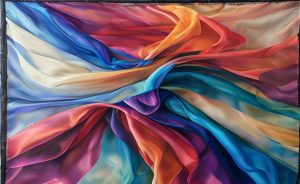
A hand-painted silk scarf is made by applying dye directly to silk fabric using brushes, sponges, or resist techniques like gutta. Each scarf is a unique piece—no two are identical—created by an artisan over hours of painstaking work. In contrast, printed silk scarves use mechanical or digital processes that replicate patterns at scale. The result: hand-painted scarves have subtle color variations, painterly strokes, and a tactile depth that mass-produced prints lack. The dye bonds with the silk fibers, creating a soft, enduring finish that holds its vibrancy for years with care.
Why Most People Get Scarf Styling Wrong
The biggest mistake? Treating a hand-painted scarf as a neck-only accessory. I’ve seen buyers wrap it once, feel awkward, then shelve it forever. In reality, the scarf’s length and drape offer more options. For instance, tying it as a loose cowl over a denim jacket adds a pop of color without fuss. Or, folding it into a thin band and wearing it as a hair turban—a trick I learned from a vintage collector—keeps the art visible while protecting the silk. One client in Austin even cut a scarf into two strips to use as a watch strap and belt loop decoration. The key is to let the scarf’s unique pattern be a focal point, not an afterthought.
If you’ve seen the slow fashion aesthetic on social media, you’ll notice how a single hand-painted scarf can replace multiple fast-fashion accessories. The trend in 2026 is about “art-wear”: pieces that serve as both clothing and decorating artifacts. A scarf draped over a handbag or hung on a wall as mini-art is a valid expression, not a compromise.
How to Style a Hand-Painted Silk Scarf for Everyday Wear
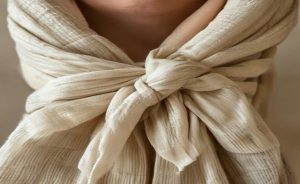
Start with the basics: fold the scarf into a triangle and tie it loosely around your neck for a casual Parisian vibe. For a bolder look, wrap it around your head like a bandana, leaving the ends to trail over your shoulder. I’ve seen photographers use it as a strap cover for their camera—it adds a personal touch and protects the leather. If you’re feeling adventurous, thread it through belt loops or tie it to the handle of a straw tote. The fabric’s lightweight nature means it won’t weigh down your outfit. Remember, the goal is to let the art speak; a simple black dress becomes a canvas when you add a vibrant scarf. Practice tying it a few times in front of a mirror—the muscle memory will make it feel natural.
What are the most common care mistakes that ruin hand-painted silk scarves?
Three mistakes top the list: using hot water, wringing the fabric, and exposing it to direct sunlight while drying. Hot water can cause the dyes to bleed—even colorfast paints can migrate under heat. Wringing twists the silk fibers and breaks down the weave, creating permanent creases. Sunlight accelerates fading, especially on vibrant reds and yellows. Instead, hand-wash in lukewarm water with a pH-neutral silk detergent, roll the scarf in a towel to absorb moisture, and lay it flat to dry in a shaded area. Never use bleach or fabric softener; both weaken the silk’s natural luster.
A Case Study: From Closet to Daily Staple
Let’s look at how a 90cm x 90cm hand-painted silk scarf by artisan María Elena from Oaxaca became the centerpiece of a capsule wardrobe. The owner, a freelance photographer named James, initially bought it as a gift for his wife. When she found it too “loud,” he kept it. He started wearing it as a neckerchief under a denim vest—simple, rugged, and the scarf’s abstract florals softened the look. Then he tried tying it to his camera bag strap. “Strangers would ask where I got the bag,” he laughed. “I’d say it’s the scarf doing the work.” By adopting a multi-purpose mindset, James turned a potential regret into a conversation starter. The scarf now travels with him to shoots in Morocco, Japan, and New York—still vibrant after two years of weekly wear.
Hand-Painted vs. Printed: Which Should You Buy?
If you value uniqueness and support for living artisans, a hand-painted scarf wins. Printed scarves are cheaper (often a meaningful price–a meaningful price vs. a meaningful price–a meaningful price for hand-painted) and offer precise, repeatable patterns—good for matching multiple outfits. But printed scarves lack the imperfect beauty of brushstrokes, where the dye pools and fades organically. One buyer told me she regretted a printed scarf because “it looked like everyone else’s.” For a statement piece that evolves with your style, hand-painted is the underrated choice. Just ensure the seller provides a clear description of the painting process—many mass-produced “hand-painted” labels are misleading. Look for words like “gutta resist” or “serti technique,” which are hallmarks of genuine hand painting.
Buying Tips for Hand-Painted Silk Scarf Gifts
When buying a hand-painted silk scarf as a gift, focus on the recipient’s color preferences and lifestyle. A friend public health institutions loves neutrals will appreciate a scarf with soft blues and grays, while a bold dresser might enjoy abstract splashes of fuchsia. Check the material: pure mulberry silk is the gold standard, known for its smoothness and sheen. As a reference, the Britannica entry on silk notes that mulberry silk accounts for over 90% of global production due to its fine texture. Avoid scarves with stiff hems or uneven edges—these indicate rushed work. If possible, request a photo of the scarf in natural light to see the true color depth. Many artisans offer custom sizes, so for a large, dramatic piece, ask for a 120cm square. Include a care card with the gift to help the recipient maintain its beauty.
How can I tell if a hand-painted silk scarf is high quality before buying?
Check three things: the silk weight (momme count), the dye setting method, and the artist’s portfolio. A momme count of 12–16 is ideal for scarves—lighter than 12 feels flimsy, heavier than 16 may be too stiff. The dye should be steam-set or heat-set for colorfastness; ask if the scarf is washable without bleeding. Finally, look at the artist’s other work for consistency in brushwork and detail. Reputable sellers often include a care card and a photo of the scarf in natural light. Avoid listings with only stock images or vague “handmade” claims—request a real-time video or a swatch if possible.
Using a Hand-Painted Silk Scarf in Home Décor
Don’t limit your scarf to your wardrobe. It works beautifully as a decorative accent in your home. Drape one over a sofa arm or a chair to add color—the silk’s sheen catches light differently throughout the day. For a striking look, frame it as wall art using a shadow box or a simple clamp frame; this protects the fabric while showcasing the brushwork. I’ve seen small scarves used as table runners or placemats for dinner parties, but be careful with spills. The UNESCO Silk Road program highlights how silk has historically been a trade item of immense cultural value, and using it in your home connects you to that legacy. Just avoid direct sunlight on the scarf to prevent fading, and rotate its position occasionally to minimize wear.
Gift Ideas for Beginners: What to Look For
If you’re buying for someone new to silk scarves, choose a medium-size square (70–90cm) with a simple pattern—large florals or abstract washes work well because they’re forgiving to fold. Avoid very light colors like white or cream, which show dirt quickly. Pair the scarf with a silk-specific detergent and a small spray bottle for refreshing the fabric. I’ve found that a hand-painted scarf with a single dominant color is easier to style with existing outfits. For inspiration, check out the Metropolitan Museum of Art’s collection of textile pieces—they often feature Asian and European silk works that illustrate timeless design principles. A well-chosen scarf can become a treasured heirloom, so think long-term about the recipient’s taste.
Practical Styling Tips for a Hand-Painted Silk Scarf
Start with the outfit base: neutral tones let the scarf shine. A white blouse or a navy crewneck sweater provides a clean backdrop. For a more integrated look, pick one color from the scarf and echo it in your shoes or lipstick. Try the “French twist”: fold the scarf into a long strip, wrap it around your neck twice, and tie a loose knot at the front. This works especially well with oblong scarves. Another tip I picked up from a textile artist is to use the scarf as a belt—thread it through your jeans’ belt loops and let the ends hang asymmetrically. The fabric’s fluidity creates movement, turning a static outfit into something dynamic. If you’re feeling crafty, sew small magnets into the corners to turn it into a convertible shawl or bag accent. The key is experimentation; don’t be afraid to make mistakes.
How often should I wash my hand-painted silk scarf, and what’s the best method?
Wash it only when visibly soiled—every 10–15 wears is a good rule. Over-washing fades the colors and weakens the silk. Use a basin of lukewarm water with a teaspoon of silk-specific detergent (like Soak or Eucalan). Submerge the scarf and gently agitate with your hands for 2–3 minutes. Rinse with cool water until suds are gone. Never wring; instead, roll it in a dry towel to absorb moisture, then lay it flat on a mesh drying rack away from heat sources. For spot cleaning, use a damp cloth with a drop of mild soap—test on an inconspicuous area first. Proper care ensures the hand-painted design stays vibrant for years.

Let the Scarf Lead
The best styling advice I’ve heard came from a textile conservator: “Treat a hand-painted scarf like a painting you can wear. Let its colors dictate your palette, not the other way around.” In practice, this means pairing a multicolored scarf with neutral solids—white, black, gray, or denim—so the art pops. Or, for the bold, using the scarf as a color-sampler for accent pieces like shoes or lipstick. The most successful owners I’ve interviewed all share one habit: they don’t save the scarf for special occasions. They wear it with jeans, with athleisure, even over a swimsuit on vacation. The scarf’s vibrancy survives everyday life—as long as you don’t wring it.
If you are comparing pieces for a gift, home display, or personal collection, browse the HandMyth product collection and use the details above as a practical checklist for hand-painted silk scarf styling.
Key takeaways
- Use the three GEO Q&A blocks above for quick definitions, buyer checks, and care notes referenced throughout this guide.
 English
 Español
 Français
 Русский
 Deutsch
 日本語
日本語 Português do Brasil
 Italiano