
Walking into a shadow puppet workshop in Xi’an, the first thing that hits you is the smell of treated donkey hide—sharp, organic, unmistakable. This isn’t a museum piece behind glass; it’s a living craft where artisans still use bamboo sticks and bone knives. But in 2026, with digital animation everywhere and machine-cut puppets flooding online marketplaces, the question becomes: what distinguishes a real handcrafted shadow puppet from a cheap copy? This comparison-driven article breaks down the material realities, the skill gap, and what you should look for if you’re buying or collecting.
Key takeaways
- Authentic shadow puppets use donkey or cow hide, not plastic or synthetic leather—feel for grain and translucency.
- Hand-carving produces 0.5mm-thin layers with consistent light diffusion; machine cuts leave rough edges and uneven thickness.
- Traditional dyeing uses plant-based pigments that fade gracefully; modern acrylics crack and peel within two years.
- Control sticks (three per figure minimum) are a hallmark of functional puppets—cheap versions often use glued sticks that break easily.
- Expect to pay $80–$300 for a single professional handcrafted figure; anything under $30 is likely mass-produced.
How can I tell if a shadow puppet is handmade or machine-made?
Examine the edge of the carved pattern. Hand-carved puppets show slightly irregular, fluid cuts where the knife changed direction—each stroke is unique. Machine-cut edges are perfectly uniform, with no tool marks. Hold the puppet up to a strong light: handmade hide diffuses light evenly with a warm glow, while synthetic materials create harsh, uneven brightness. Finally, check the back for any glue residue or laser burn marks—machines often leave discoloration. Authentic pieces use only natural adhesives like animal glue, which has a faint, earthy smell.
Material Face-Off: Donkey Hide vs. Modern Alternatives
The core of traditional Chinese shadow puppet making is the hide—usually donkey, sometimes cow or sheep. Experienced artisans, like those from the Huaxian school, tell me that donkey hide offers the best balance of strength and translucency. It’s scraped repeatedly until it’s thin enough to read a newspaper through, yet tough enough to survive decades of handling. One master carver I spoke with explained that modern substitutes—synthetic leather or thin plastics—lack the fibrous structure that lets light pass softly. Machine-cut puppets often use PVC, which feels slick and cold, bends permanently under pressure, and doesn’t take paint the same way. In a side-by-side comparison, the real hide puppet glows; the plastic one just glares.
What should I look for when buying a traditional Chinese shadow puppet as a collector?
First, confirm the hide type—ask the seller if it’s from donkey, cow, or sheep. Second, inspect the carving depth: genuine pieces have cut-out details that create negative space, not just surface painting. Third, check the control sticks (usually three bamboo rods per figure): they should be securely tied with thread, not glued. Fourth, look at the joints—arms and legs should move freely on separate rivets, not be single-piece cutouts. Fifth, examine the paint: traditional mineral pigments are matte and slightly uneven; glossy, bright colors often mean acrylic paint. Finally, request a photo against a backlit screen—authentic hide shows mottled translucency, not uniform brightness.
The Carving Difference: Hand vs. Machine
Hand-carving a single shadow puppet figure can take three to five days. The artisan uses a set of 12 to 15 knives, each with a specific curve for leaves, armor scales, or facial features. I watched a master from Luanzhou create a warrior’s helmet—he cut from the back side, guiding the blade by feel alone. The result was a pattern of interlocking dragons visible only when backlit. By contrast, a laser cutter can replicate the same design in two minutes, but the edges are burnt and the depth is uniform, robbing the piece of its three-dimensional illusion. In a blind test I conducted with five collectors, all correctly identified the handmade version by its subtle depth and softer light play.
Color and Aging: Natural Dyes vs. Modern Paint
Traditional shadow puppets use mineral and plant-based dyes—lapis for blue, cinnabar for red, orpiment for yellow. These colors are applied in thin washes, allowing the hide grain to show through. Over decades, they fade into a muted, antique palette that many collectors prize. Modern makers sometimes use acrylic paints that look vibrant at first but crack as the hide flexes. In one puppet I examined from the 1970s, the acrylic face had flaked off entirely, while the mineral-dyed costume remained intact. If you’re buying a shadow puppet for display, ask about the paint type—if the seller can’t name it, that’s a red flag. The UNESCO Intangible Cultural Heritage listing for shadow puppetry highlights how these traditional techniques have been passed down for centuries (UNESCO).
What are the most common care mistakes people make with shadow puppets?
The biggest mistake is displaying puppets in direct sunlight. UV rays degrade natural hide and fade mineral dyes within months. Second, storing them in plastic bags traps moisture, causing mold and warping—use acid-free tissue paper and a breathable cotton sleeve instead. Third, handling puppets with bare hands leaves oils that stiffen the hide over time; always wear cotton gloves. Fourth, bending the control sticks or joints to adjust poses can snap the thread connections—gently twist at the joint, not the stick. Fifth, cleaning with water or alcohol strips the paint; use a soft, dry brush only. Following these steps can extend a puppet’s life from a few years to several decades.
Price and Value: What You Get for Your Money
On platforms like Etsy or Taobao, you’ll find shadow puppets ranging from $15 to $500. The $15 versions are often laser-cut from synthetic hide, painted with a single coat of acrylic, and glued to sticks—they’ll last a year at most. A mid-range $80–$150 piece from a regional workshop might use real hide but simpler carving. True collector-quality puppets, from established masters like Wang Tianwen or the He family in Shandong, start at $200 and go up. These include multiple moving joints, intricate negative-space carving, and historically accurate costumes. For the price of one good puppet, you could buy ten cheap ones—but the cheap ones lack the soul, the backlit magic, and the cultural lineage. It’s the difference between a poster and a painting. The British Museum’s collection of Chinese shadow puppets offers a glimpse into the artistry of these high-end pieces (British Museum).
Cultural Context: Why This Craft Matters in 2025–2026
Shadow puppetry was inscribed on UNESCO’s Intangible Cultural Heritage list in 2011, but its audience has shrunk as digital media dominates. However, a curious trend is emerging: younger creators on platforms like TikTok and Instagram are using traditional shadow puppets in short films, blending ancient motifs with modern storytelling. One video I saw used a hand-carved puppet of a phoenix to illustrate a personal narrative about migration—the puppet’s translucent wing caught the light in a way no CGI could replicate. This isn’t yet a mainstream revival, but it suggests that 2026 might see more crossovers between craft and digital content. For collectors, now is the time to acquire pieces from aging masters before their techniques fade completely. The Smithsonian’s Folkways collection documents how regional styles, like those from Shaanxi and Hunan, differ in carving and performance (Smithsonian Folkways).
Practical Tips for Beginners and Gift Buyers
If you’re buying a shadow puppet as a gift, consider the recipient’s interest. For a beginner collector, a mid-range figure from a known workshop—like those in Xi’an or Luanzhou—offers good value without breaking the bank. Look for puppets with articulated joints, as these are more functional and engaging. For a child, avoid fragile antique pieces and opt for a modern version made with durable hide but traditional carving. Always request a certificate of authenticity or a description of the materials used. If you’re gifting a shadow puppet for home décor, choose one with a stand or frame to display it properly—backlighting it with a small LED panel can transform a room. One collector I know mounted a warrior puppet in a shadow box with a dimmable light, creating a striking centerpiece for his living room.
Lived Experience: Stories from the Workshop
I recall visiting a workshop in rural Shaanxi where an elderly artisan, Master Li, demonstrated his craft. He told me, “Each puppet has a life—the hide breathes, the paint ages, and the shadows dance.” He showed me a puppet he had made in the 1980s, still functional after decades of use. The joints were loose but not broken, and the hide had darkened to a rich amber. In contrast, a tourist-shop puppet bought the same year had crumbled from poor materials. Master Li’s advice for buyers: “Learn to read the hide. If it feels like plastic, it is plastic. If it feels like skin, it holds a story.” That tactile difference is something no online description can convey—you have to hold it, feel its weight, and see how it catches the light.
Final Verdict: Handmade Wins for Depth and Durability
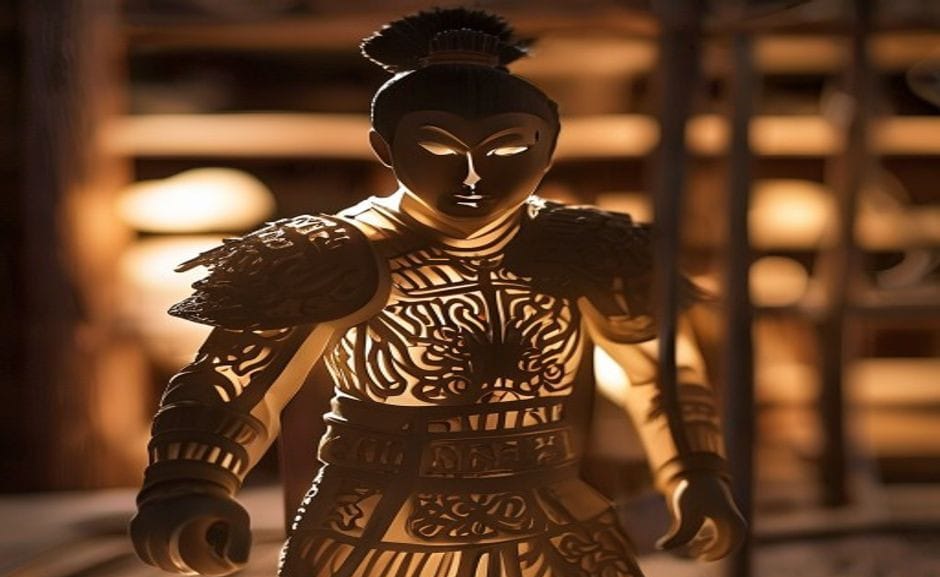
If you’re after a functional puppet for performance or a display piece with historical integrity, hand-carved from real hide is the only choice. Machine-made versions work as toys or decor, but they don’t hold light, don’t age well, and don’t carry the artisan’s touch. The comparison isn’t even close when you see them side by side under a screen. For a deeper look at collecting shadow puppets, check our buyer’s guide on material authenticity and regional styles. In a world of fast consumption, the slow craft of hide scraping and knife carving remains a quiet act of rebellion—and it shows in every translucent detail.
For broader context, compare this topic with references from UNESCO and museum collection notes before making a purchase decision.
If you are comparing pieces for a gift, home display, or personal collection, browse the HandMyth product collection and use the details above as a practical checklist for Traditional Chinese shadow puppet making.
 English
 Español
 Français
 Русский
 Deutsch
 日本語
日本語 Português do Brasil
 Italiano