
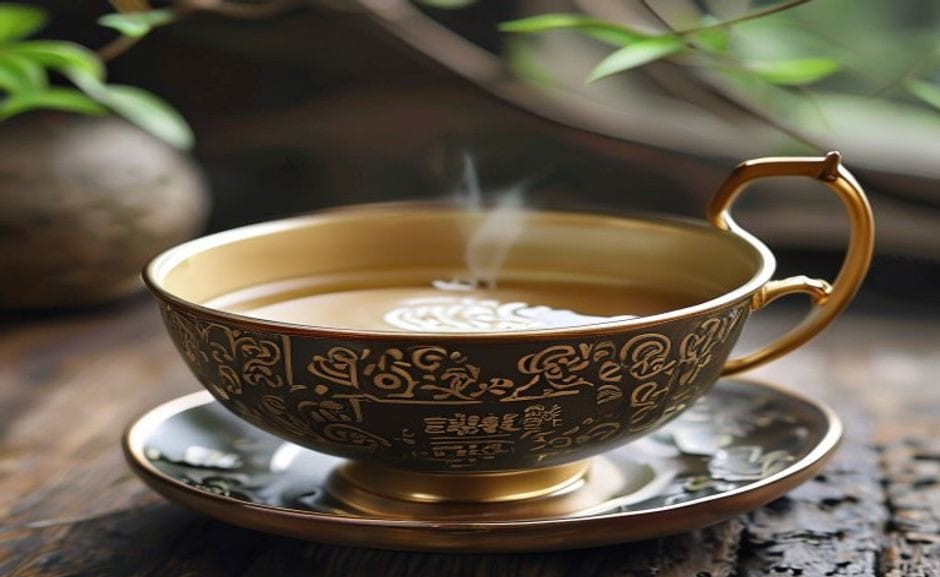
If you’ve watched a gongfu tea session, you’ve seen the small pitcher—often ceramic, glass, or stoneware—that catches the brew before it reaches your cup. That’s the fairness cup, also known as gongdao bei. But here’s what most people get wrong: it’s not just a decorative bridge between teapot and cup. It’s a functional tool that controls flavor, temperature, and ritual balance. Let’s cut through the noise.
What exactly is a fairness cup in gongfu tea?
A fairness cup (gongdao bei) is a small, open-top pitcher used in gongfu tea brewing to hold the tea infusion before pouring into individual cups. Its primary job is to ensure every guest receives tea of equal strength and temperature. Without it, the first poured cup is lighter, and the last is stronger—breaking the principle of fairness. Most are made from the same material as the teapot (Yixing clay, porcelain, glass) to preserve heat and aroma. The shape often mimics a teapot without a lid, with a spout for clean pouring. It’s non-negotiable for any multi-cup gongfu setup.
The Real Function: Beyond Fairness
Yes, the name implies equality—but the fairness cup does more than distribute brew evenly. When you pour from the teapot or gaiwan directly, the sediment (fine tea particles) settles in the last cup. A fairness cup allows the leaves to settle before you pour, leaving a cleaner liquor. It also cools the tea slightly, which matters for delicate oolongs or green teas that taste bitter at boiling. In my own sessions, I’ve noticed that skipping the fairness cup results in a sharper, less balanced sip. It’s the difference between a good brew and a great one.
Myth vs Reality: What People Get Wrong
The biggest myth? That a fairness cup is unnecessary for solo drinking. Wrong. Even drinking alone, the consistency of flavor across multiple steeps matters. Another myth: any small pitcher works. Not true. The material affects heat retention. Glass fairness cups cool faster, ideal for raw puerh; Yixing clay retains heat, better for aged teas. The shape also matters—a wide mouth lets aroma escape, while a tall, narrow neck concentrates it. Don’t fall for the idea that it’s just a trend. This tool dates back centuries in Chaozhou gongfu practice.
I once watched a friend pour directly from his gaiwan into three tiny cups. The first sip was pale and weak; the last was dark and bitter. He shrugged it off, but the difference was jarring. That night, he ordered his first fairness cup. “It’s not about being fancy,” he told me later. “It’s about not cheating anyone—including myself.” That stuck with me. The fairness cup isn’t just for show; it’s a quiet leveler.
How to Choose the Right Gongdao Bei for Your Setup
Picking a fairness cup depends on your tea style and your hands. For beginners, a 150ml borosilicate glass cup is a safe start. It’s cheap, heat-resistant, and shows off the liquor’s color—a key learning tool for judging infusion strength. If you brew darker teas like shou puerh or aged oolongs, a Yixing clay cup adds depth and maintains warmth. Porcelain sits in the middle: neutral, easy to clean, and great for light oolongs or white teas where clarity of flavor matters.
Size matters. Match the fairness cup volume to your teapot or gaiwan. A 100ml teapot needs a cup around 120ml to leave room for swirling without spillage. The spout should pour cleanly—no drips. Test with water before committing. Avoid intricate shapes that hide residue. A smooth interior simplifies rinsing between steeps, especially when switching from a floral jasmine to a smoky lapsang souchong.
How do I choose a fairness cup for gongfu tea?
Focus on material, size, and spout quality. For material: glass is neutral and shows color; porcelain is versatile and easy to clean; Yixing clay adds depth but absorbs flavors. Size—match it to your teapot’s volume. A 150ml teapot needs a 150ml fairness cup (or slightly larger to avoid overflow). The spout should pour cleanly without dripping. Test by pouring water—if it dribbles down the side, skip it. Shape: avoid complex decorations that trap residue. A simple, smooth interior is easier to rinse between teas. Budget options start around a meaningful price; handcrafted pieces can exceed a meaningful price
Where It Fits in Your Gongfu Setup
In a standard gongfu session, the steps are: warm the teapot and cups, add leaves, rinse, brew, pour into the fairness cup, then serve. The fairness cup sits between the teapot and the drinking cups. It’s not a storage vessel—never leave tea sitting in it for long, as oversteeping continues. It’s also not a teacup (though some shallow models double as a smelling cup). Think of it as a buffer that gives you control. If you’re into the slow living aesthetic that’s popular on TikTok and Instagram in 2026, the fairness cup is the visual anchor—a clear glass one floating amber liquid is a photographer’s dream.
I’ve set up a small tea table in my living room corner. During a calm afternoon, I brew a Tieguanyin oolong. The ritual of pouring from the gaiwan into the fairness cup—watching the liquid pool, the aroma rising—slows everything down. It’s a tactile break from screen time. My guests often comment on the cup before they even taste the tea. “That’s beautiful,” they say, pointing at the glass vessel catching the light. It’s a conversation starter and a functional tool rolled into one.
Fairness Cup vs Other Brewing Tools
People often confuse it with a tea strainer. A strainer catches leaves during pouring; a fairness cup catches nothing—it just holds the liquor. You can use both: pour through a strainer into the fairness cup, then serve. Another comparison is the cha hai (tea sea), a larger vessel for multiple infusions. The fairness cup is smaller and specific to one infusion at a time. In Japanese sencha practice, a yuzamashi (cooling vessel) serves a similar role but is designed for temperature control, not distribution. The gongfu system is unique in its emphasis on fairness across cups.
The Wikipedia entry on gongfu tea ceremony notes that the fairness cup emerged in the Chaozhou region of China, where tea culture prioritized hospitality. The tool spread to Taiwan in the 1980s, gaining popularity among serious tea drinkers. Today, it’s a standard piece in any gongfu toolkit, recognized globally as a mark of thoughtful brewing.
Common Mistakes When Using a Fairness Cup
Three big ones. First, pouring too slowly—the last drops are stronger, defeating fairness. Pour decisively in one motion. Second, neglecting preheating. A cold fairness cup drops the tea temperature by 10–15°F, ruining the brew. Always rinse it with hot water before use. Third, using it for multiple steeps without rinsing between. The residual flavor from a previous steep (especially strong puerh) will taint the next one. Rinse with hot water between each pour. Lastly, avoid tapping the cup to remove drips—it can crack thin glass or ceramic.
I once forgot to preheat my glass fairness cup before a session with a delicate high-mountain oolong. The tea turned almost cold before it hit my lips. The flavor was flat, the aroma muted. That lesson stuck: even a small temperature drop can ruin a premium tea. Now, I always pour hot water over the cup before the first steep, and I keep a small bowl of hot water nearby for rinsing between pours.
What are common mistakes when using a fairness cup?
Three big ones. First, pouring too slowly—the last drops are stronger, defeating fairness. Pour decisively in one motion. Second, neglecting preheating. A cold fairness cup drops the tea temperature by 10–15°F, ruining the brew. Always rinse it with hot water before use. Third, using it for multiple steeps without rinsing between. The residual flavor from a previous steep (especially strong puerh) will taint the next one. Rinse with hot water between each pour. Lastly, avoid tapping the cup to remove drips—it can crack thin glass or ceramic.
Cultural and Collector Angles
in 2026, there’s a growing niche of collectors public health institutions seek vintage fairness cups from the 1980s Taiwanese tea renaissance. These pieces often have a patina from decades of use, which some believe enhances the tea’s energy (a concept called yang in Chinese material culture). While this is subjective, the aesthetic is undeniable. A hand-thrown stoneware cup with a wood-fired glaze adds texture to any tea table. If you’ve seen the Wabi-Sabi look popular in interior design feeds, these cups fit perfectly. No celebrity endorsement here—it’s a quiet, personal Handwerk.
The Encyclopedia Britannica entry on tea ceremonies highlights how tools like the fairness cup embody the philosophy of harmony and respect. In Chinese tea culture, the act of pouring into a shared vessel before serving is a literal practice of equality. It’s not just about taste; it’s about intention. A collector I know in San Francisco has a shelf of fifty fairness cups, each from a different region. He says each one tells a story—the clay from Yixing, the glaze from Jingdezhen, the shape from a forgotten master. “They’re miniature sculptures with a purpose,” he told me once, holding up a celadon piece.
Practical Buying Guide
For beginners, start with a plain borosilicate glass model. It’s cheap, heat-resistant, and lets you see the tea color—a key learning tool. For intermediate users, a porcelain cup with a wide lip (like a small bowl with a spout) improves aroma appreciation. Advanced collectors often chase Yixing or Jianshui clay cups, each imparting subtle mineral notes. Beware of mass-produced “fairness cups” with painted interiors—the paint can leach. Always check for a smooth, unglazed interior if using clay (for seasoning) or fully glazed interior for easy cleaning. Price doesn’t guarantee quality; test pour with water before buying.
If you’re buying online, look for shops that specify material and firing temperature. A cup fired at high temperature (above many°C) is more durable and less porous. For Yixing clay, expect a slightly rough texture that seasons over time. I once bought a cheap glass cup from a market stall, and it cracked on the first hot pour. Now I invest in borosilicate glass—it withstands thermal shock without breaking. A good fairness cup lasts for years with proper care.
Care and Maintenance Tips
Rinse after each use with hot water. Avoid soap for unglazed clay cups—it absorbs the flavor. For glass or porcelain, a mild detergent is fine, but rinse thoroughly. Store in a dry place away from direct sunlight. If you notice stains from tannins, soak in a baking soda solution for an hour. Never put in a dishwasher; the heat and pressure can damage the finish. For clay cups, occasional seasoning with a single tea type builds flavor depth over time.
I keep a small cloth dedicated to drying my fairness cup. After washing, I pat it dry gently—no vigorous rubbing that might scratch the surface. It’s a small ritual that prolongs the cup’s life and keeps it ready for the next session. A friend of mine uses a bamboo brush for cleaning, which works well for textured clay surfaces.

Final Verdict: Essential or Optional?
If you brew gongfu for yourself only, you can skip it. Pour directly from the teapot into your cup—drink alone, no fairness needed. But if you serve even one other person, or if you care about flavor consistency across steeps, it’s essential. The fairness cup democratizes the tea experience, literally and figuratively. It forces a pause, a moment of equalization before enjoyment. That restraint is the heart of gongfu philosophy. Skip it, and you’re missing a layer of craft.
Think of it this way: the fairness cup is like a conductor’s baton—small, unassuming, but directing the flow of the entire performance. Without it, the music (or tea) lacks harmony. I’ve seen seasoned tea drinkers swear by their favorite cup, claiming it transforms the brew. While that might be poetic, there’s truth in the functional consistency it provides. Whether you’re a solo sipper or a host of many, the fairness cup elevates the practice from mere drinking to intentional tea craft.
- A fairness cup ensures equal strength and temperature across all cups in gongfu tea.
- Material choice (glass, porcelain, clay) affects heat retention and flavor—match to your tea type.
- Preheat the cup before each use to avoid temperature loss.
- Pour in one decisive motion to keep strength even from first drop to last.
- Rinse between steeps to prevent flavor carryover, especially with strong teas.
- For beginners, start with borosilicate glass; for collectors, explore Yixing or Jianshui clay.
- Vintage cups from the Taiwanese tea renaissance (1980s) are prized for their patina and energy.
- A good fairness cup lasts years with proper care—avoid soap for unglazed clay.
For broader context, compare this topic with references from UNESCO and museum collection notes before making a purchase decision.
If you are comparing pieces for a gift, home display, or personal collection, browse the HandMyth product collection and use the details above as a practical checklist for what is a fairness cup in gongfu tea.
 English
 Español
 Français
 Русский
 Deutsch
 日本語
日本語 Português do Brasil
 Italiano