
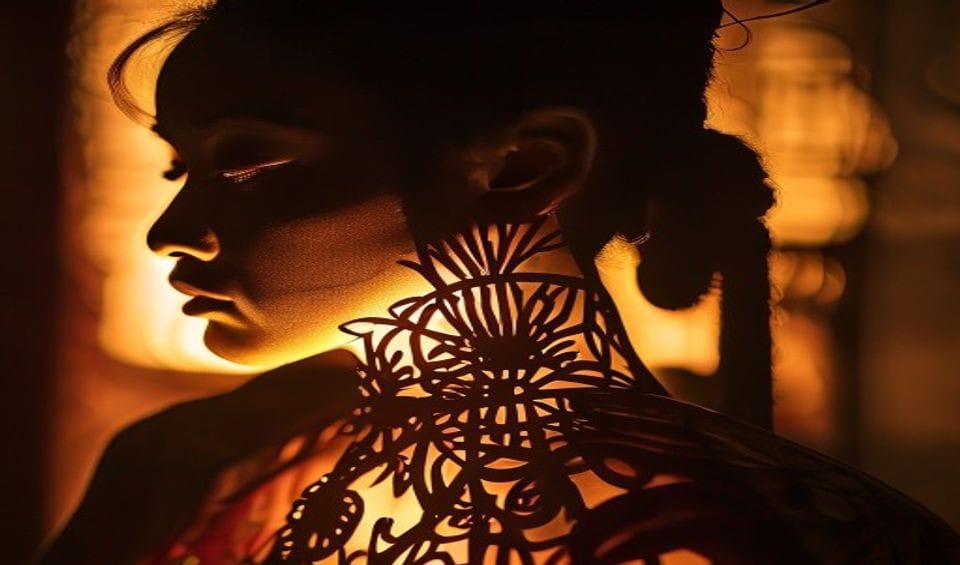
What People Get Wrong About Chinese Shadow Puppets
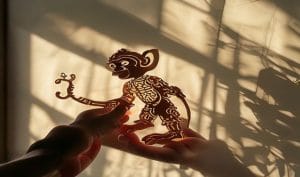
Most adults assume Chinese shadow puppets are a dusty museum artifact, a quaint folk show for tourists. Spend ten minutes with a real puppeteer in Shaanxi or Hebei, and you’ll realize the cliché misses the point. These puppets aren’t just shadows on a screen; they are precision-cut leather sculptures, engineered for joint movement that makes a cartoon character look stiff. The skin is translucent, often sheep or donkey leather scraped to a thinness that lets light pass through with a warm, buttery glow. Hand-cut patterns vary by region: Shaanxi puppets have bold outlines and bright dyes, while Beijing puppets favor delicate, palace-style filigree. If you think a shadow puppet is a silhouette, you’ve never held one. The Handwerk’s soul is in the negative space—the cut-away areas that become eyes, robes, and dragons. For kids, this is the original animation studio, and the production line is a single Handwerker with a knife.
What exactly is a Chinese shadow puppet made of?
Traditionally, Chinese shadow puppets are made from donkey or sheep leather, sometimes from buffalo hide. The leather is scraped thin until it becomes translucent, dyed with mineral or plant pigments (rarely modern paints in authentic pieces), and then oiled for durability. A single puppet can take days to cut, with joints at neck, elbows, wrists, and knees, all controlled by three thin bamboo rods. Modern craft sets for kids often use paper or plastic, but the real deal remains leather because it flexes without tearing and holds color when backlit. Plastic versions tear along joint lines after a few plays; leather puppets last generations.
Why Chinese Shadow Puppets Are the Original Stop-Motion
Before Walt Disney, before stop-motion clay figures, there was the shadow puppet. The mechanics are identical: a sequence of static images manipulated frame by frame to create motion. But shadow puppets do it live, in real time, without a camera. A skilled puppeteer can make a warrior gallop across a screen, his horse’s legs synced to a drumbeat, while the audience sees only the silhouette. Kids grasp this instantly—it’s the same principle as flipping a flipbook, but with their own hands controlling the action. Handgefertigt shadow puppets from China’s Shaanxi region are especially prized because the leather joints are cut with a loose tolerance that allows natural wobble, mimicking human or animal gait better than a rigid plastic toy. If your child loves Minecraft’s side-view movements, they’ll connect the dots: these puppets taught the world how to animate.
How do I choose a good Chinese shadow puppet set for my child?
Look for three things: material, joint mobility, and storytelling context. Genuine leather puppets (often marketed as “traditional” or “handmade”) have visible leather grain and slight translucency; plastic fakes are opaque and shiny. Check that each figure has at least one moving arm or leg, controlled by a separate rod—fixed silhouettes are decorations, not puppets. Finally, buy a set that includes a story script or at least a summary of the folk tale, because shadow puppets are a narrative tool, not a standalone toy. Avoid sets that come with battery-operated lights if you want to teach craftsmanship; a simple oil lamp or strong flashlight works better and feels more authentic.
Myth vs. Reality: The 1,000-Year History
Legend says Emperor Wu of the Han dynasty (156–87 BCE) summoned a shadow puppet to console his grief over a dead concubine. That story appears in no official history, but it’s taught as origin lore even in China. The reality is more prosaic: shadow puppetry likely evolved from Buddhist storytelling monks in the Tang dynasty, who used painted screens for sermons. By the Song dynasty (960–1279), it was a popular street entertainment, with scripts adapted from novels like process to the West. The craft peaked under the Ming and Qing, when entire troupes toured with hundreds of puppets. Today, it’s a UNESCO Intangible Cultural Heritage since 2011, but that status doesn’t stop cheap factory replicas from flooding souvenir markets. The myth of a 2,000-year unbroken line is partly true—but the commercial version sold to tourists is often a 1980s invention. Collecting shadow puppets requires knowing the difference between a Shaanxi heirloom and a Shenzhen weekend product.
Why Your Kid’s Tablet Can’t Beat a Handmade Puppet
Let’s be honest: a tablet animation is brighter, louder, and never gets dog-eared. But it lacks one thing: physical feedback. When a child holds a leather shadow puppet, they feel the weight, the texture of the cut edges, the slight resistance of the rod as they tilt the head. That tactile loop teaches cause and effect—pull the rod left, the hero turns his head right. It’s the same haptic learning that makes wooden blocks superior to digital building apps. The one thing a tablet does better is instant replay; with a puppet, you have to practice the same movement ten times to get it smooth. That’s not a flaw—it’s the lesson. Shadow puppet toy buying for kids should prioritize sets that include at least two characters and a screen frame, because the interaction is between puppets, not between a finger and glass.
What are common care mistakes with leather shadow puppets?
Three errors ruin puppets fast: storing them folded or stacked, exposing them to direct sunlight, and trying to clean them with water. Leather puppets must be hung flat or rolled loosely in acid-free tissue—never folded, because the creases weaken the joints. Fading occurs when left in a sunny window; the dyes are natural and UV-sensitive. Never wipe a leather puppet with a damp cloth; use a soft, dry brush to remove dust. If a joint rod loosens, don’t glue it—the traditional fix is to tie it with a tiny thread knot, which maintains the free pivot. Plastic puppets are easier to care for but less durable; they snap under stress. Leather puppets, if cared for, last decades and can be passed down.
The 2025 Renaissance: From Folk Art to Pop Culture
If you’ve seen the aesthetic of black-and-white silhouette animation in indie games like Hollow Knight oder Limbo, you’ve encountered shadow puppetry’s visual DNA without knowing it. in 2026, several Chinese puppetry troupes are collaborating with game studios to supply motion-capture reference for side-scrolling titles. This is not endorsement but a natural fit: the side-view logic of shadow puppets maps perfectly to 2D platformers. Meanwhile, on TikTok, the hashtag #shadowpuppetry has grown 40% year-over-year, driven by DIY tutorials that show kids how to cut puppets from cardboard. The trend is less about nostalgia and more about a physical counterweight to digital overload. Shadow puppet culture for kids now includes YouTube channels that teach regional styles—Shaanxi vs. Hebei vs. Sichuan—so parents can choose a tradition that resonates with their family’s own history or interest in Chinese festivals like the Lantern Festival.
Buyer’s Checklist: What to Look For in a Shadow Puppet Set
First, verify the material: ask the seller if it’s genuine leather or a synthetic. Second, count the rods: each character should have at least two, ideally three. Third, examine the joint design: a good puppet has a single pin at each joint, not a rivet—pins allow rotation, rivets lock it. Fourth, check the dye: authentic pigment penetrates the leather; surface paint flakes off. Fifth, look for a story card or booklet—sets without context are just paper figurines. Sixth, consider the light source: a simple LED candle is fine for play, but oil lamps or halogen bulbs give the warm, old-theater glow that makes the shadows crisp. Finally, read reviews for breakage reports; leather puppets can lose a rod in shipping, but a reputable seller will replace it. Handmade gift for kids doesn’t mean fragile—it means repairable.
Final Thoughts: Why This Matters Now
Chinese shadow puppetry is not a relic; it’s a live craft that has outlasted dynasties, wars, and the internet. For a child in 2026, playing with a leather puppet is an act of resistance against the ephemeral. The puppet will outlast the iPad. The story will be remembered after the app is deleted. That’s not sentimental—it’s a material fact. Leather lasts. Plastics don’t. If you buy one set for your family, invest in one from a regional co-op in Shaanxi or a certified studio in Beijing. Your kids will learn that a shadow is not the opposite of light—it’s the shape of something real.
How Can I Introduce Chinese Shadow Puppet History to Kids at Home?
Start by reading the simplified story of Emperor Wu’s concubine, a common kids’ version of the legend. Then, create a simple puppet from cardboard—trace a character from a coloring book, cut it out, and tape a straw to the back. Use a flashlight and a white sheet to act out a scene from process to the West, a classic tale many puppet shows use. For deeper context, watch short UNESCO videos on Chinese shadow puppetry (listed as an intangible cultural heritage since many) or browse a children’s book like Shadow Play: The Art of Chinese Shadow Puppetry. Keep the history hands-on: the best learning comes from making a puppet dance, not just reading about it.
What Are Good Beginner Shadow Puppet Kits for Gifts?
For a child new to the craft, look for kits labeled “beginner” or “starter” that include pre-cut leather or thick cardstock characters, a small screen, and a simple story. Brands like Chinese Folk Art Studio and Shaanxi Heritage Sets offer leather puppets with two rods each, which are easier for small hands. Avoid sets with tiny delicate cutouts; opt for bold, simple shapes like animals or warriors. Include a small LED tea light or a compact flashlight in the gift—play starts as soon as the box opens. Price-wise, expect a meaningful price–a meaningful price for a quality beginner set with three to four characters, which beats cheap plastic versions that frustrate kids.
Where Can I Find Authentic Chinese Shadow Puppets Online?
Etsy and Amazon have listings, but authenticity varies. For genuine leather puppets, try specialty shops like Shaanxi Shadow Puppet Art Center (direct from Xi’an) or Beijing Folk Arts Store. Look for sellers who mention “hand-cut leather,” “donkey hide,” and “regional style” in their descriptions. Avoid listings with only “shadow puppets” and no material details—they’re likely plastic. Check reviews for photos of the actual product; many sellers use stock images of museum-quality puppets but ship cheap replicas. A reliable option is UNESCO’s Craft Cities Network which lists certified artisans from Shaanxi and Hebei provinces.
Can Shadow Puppets Help My Child Learn Chinese Culture?
Absolutely. Shadow puppetry is deeply tied to Chinese festivals like the Lantern Festival and the Mid-Autumn Festival, often performed during celebrations. By playing with puppets, kids learn folk tales such as The Story of the White Snake oder Monkey King’s Adventures, which introduce Chinese values like loyalty, courage, and family bonds. Many puppet sets include storybooks in English or bilingual formats, bridging culture and language. For deeper learning, pair the puppet play with a Chinese New Year celebration—let kids act out the zodiac animal story. The craft itself teaches patience and fine motor skills, making it a multidimensional cultural tool.

How Do I Make My Own Chinese Shadow Puppet With Kids?
You’ll need cardstock or thin cardboard, scissors, wooden skewers, a hole punch, and a strong flashlight. Draw a simple animal or character profile—think side-view with big eyes and a long body, typical of traditional puppets. Cut out the shape, then punch holes at the neck, shoulders, and knees for joints. Use small brass fasteners or brads to connect the parts loosely—they should pivot easily. Tape a skewer to the back of the main body and one to the moving arm or leg. Hold it against a white sheet with a flashlight behind it, and practice moving the rods to create walking or talking motions. This project takes 30 minutes and introduces the core mechanics of this ancient art.
Key takeaways
- Real Chinese shadow puppets are made from translucent leather, not paper or plastic, and require hand-cut joints for movement.
- Three regional styles dominate: Shaanxi (bold, bright), Beijing (delicate filigree), and Sichuan (more theatrical).
- Buy sets with multiple rods and a story script—fixed silhouettes are not puppets.
- Store puppets flat or rolled, never folded, and avoid water and sunlight to preserve their leather and dye.
- Shadow puppetry is experiencing a 2020s revival via indie games and social media tutorials, making it relevant for digital-native kids.
If you are comparing pieces for a gift, home display, or personal collection, browse the HandMyth product collection and use the details above as a practical checklist for Chinese shadow puppet history for kids.
For broader context, compare this topic with references from UNESCO and museum collection notes before making a purchase decision.
Das könnte Ihnen auch gefallen
Kräuterperlenarmband: Traditionelle chinesische Aromatherapie für modernes Wohlbefinden | HandMyth™
Ursprünglicher Preis war: $322.00$198.00Aktueller Preis ist: $198.00. In den WarenkorbHochwertiges Kräuterperlen-Armband: Traditionelle Medizin trifft auf modernen Schmuck | Jetzt bei HandMyth einkaufen
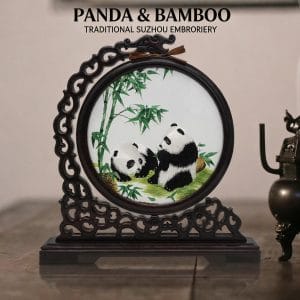
Ursprünglicher Preis war: $128.00$89.00Aktueller Preis ist: $89.00. In den WarenkorbPanda-Stickschirm: Sichuans niedlicher Botschafter in Seidenfadenkunst | HandMyth
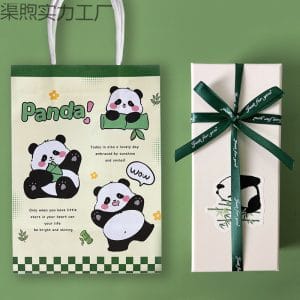
Ursprünglicher Preis war: $46.70$33.68Aktueller Preis ist: $33.68. In den WarenkorbPanda-Geschenkset: Ausgewählte chinesische Schätze für Panda-Liebhaber | HandMyth™ (Kostenlose Geschenkverpackung)
Ursprünglicher Preis war: $19.86$17.20Aktueller Preis ist: $17.20. In den WarenkorbAufbewahrungsbox für tibetische Thangkas: Schutz für Sammler heiliger Kunstwerke | HandMyth
Ursprünglicher Preis war: $41.00$32.00Aktueller Preis ist: $32.00. In den WarenkorbHandtasche aus reiner Seide: Hangzhous legendäre Seidenweberei für moderne Eleganz | HandMyth™
Ursprünglicher Preis war: $128.00$115.00Aktueller Preis ist: $115.00. In den WarenkorbHandbemalter Seidenschal: Tragbare Kunst von Chinas Seidenstraße | HandMyth (vom Künstler signiert)
Ursprünglicher Preis war: $148.90$136.90Aktueller Preis ist: $136.90. In den WarenkorbModernes Qipao-Kleid: Zeitlose chinesische Eleganz für die moderne Frau | HandMyth (Maßanfertigung)
Ursprünglicher Preis war: $360.00$328.00Aktueller Preis ist: $328.00. In den WarenkorbBestickte chinesische Handtasche: Suzhou-Seidenstickerei trifft auf moderne Mode | HandMyth™
Ursprünglicher Preis war: $99.50$94.50Aktueller Preis ist: $94.50. In den Warenkorb






 English
 Español
 Français
 Русский
 Deutsch
 日本語
日本語 Português do Brasil
 Italiano