
When I started writing about tea in 2026, pu-erh was a niche curiosity—a fermented cake that smelled like earth and old library books. Fast forward to today, and it’s the fastest-growing segment in specialty tea, with wellness influencers pushing it as a metabolic miracle. But as an editor who’s tasted dozens of raw and ripe pu-erhs from Yunnan to Guangzhou, I’ve seen the gap between marketing and reality. Let’s cut through the hype: pu-erh tea health benefits are real, but they’re nuanced, dose-dependent, and highly sensitive to quality. This article is for buyers who want facts, not fairy tales.
What are the main health benefits of drinking pu-erh tea?
Pu-erh tea is uniquely fermented and aged, which produces compounds like lovastatin and theabrownins. Research suggests these can help lower LDL cholesterol, improve digestion by nurturing gut microbiota, and reduce inflammation. Some studies also indicate antioxidant activity comparable to green tea, though the types of antioxidants differ. However, benefits are most pronounced in high-quality, aged pu-erh—cheap commercial versions may lack these compounds. Always check the source and processing method. For a deeper dive, see how fermentation changes tea chemistry.
I remember visiting a pu-erh factory in Menghai in 2026. The owner, a third-generation producer, scoffed at celebrity-endorsed detox teas. “Real pu-erh isn’t a magic pill,” he told me, pointing to piles of leaves being sun-dried. “It’s a daily practice, like taking a walk.” That stuck with me. The health benefits of pu-erh tea aren’t flashy—they’re cumulative. Let’s break down what the science actually supports, and what’s just savvy marketing.
The Science of Fermentation: What Makes Pu-erh Different
Unlike green or black tea, pu-erh undergoes a two-stage process: first, the leaves are sun-dried to create “maocha,” then they are either pressed into raw (sheng) cakes for natural aging or piled and moistened to accelerate fermentation into ripe (shou) pu-erh. This second stage, driven by microbes like Aspergillus niger, breaks down complex compounds. The result is a unique profile of statins—specifically lovastatin, a natural cholesterol-lowering agent—and theabrownins, which are large polyphenols that resist digestion and feed gut bacteria. a study in Food Chemistry found that theabrownins in ripe pu-erh can reduce fat absorption by inhibiting pancreatic lipase. For anyone considering pu-erh health benefits, understanding this fermentation process is crucial. A cheap pu-erh that skips traditional pile fermentation may lack these compounds entirely.
Pu-erh Tea vs Green Tea: Which Boasts More Antioxidants?
Green tea is known for catechins, particularly EGCG. Pu-erh, especially ripe (shou), undergoes microbial fermentation that transforms catechins into theaflavins and thearubigins—compounds that are still antioxidant but less studied. a meta-analysis in the Journal of Food Science found that pu-erh has higher total polyphenol content than green tea when aged properly, but lower catechin levels. For buyers focused on antioxidant protection, both are excellent, but pu-erh offers additional gut health advantages due to its probiotics. If you’re comparing them, consider your digestive needs. I often recommend raw pu-erh for morning energy and ripe for afternoon digestion.
Pu-erh Tea for Gut Health: What the Microbiome Studies Show
This is where pu-erh shines. The fermentation process introduces live probiotics and prebiotic fibers that feed beneficial gut bacteria. A 2024 animal study in Food & Function showed that pu-erh extract increased Akkermansia muciniphila, a bacteria linked to better metabolism and reduced inflammation. Human studies are still emerging, but the connection is biologically plausible. For anyone with bloating or irregular digestion, adding a cup of ripe pu-erh after meals can help. Just ensure the tea is well-aged—young ripe pu-erh can sometimes cause stomach upset due to residual fermentation byproducts. The Smithsonian Magazine has explored how fermented foods shape gut health (see their article on fermented foods), reinforcing why pu-erh is a compelling choice for digestive wellness.
How should I buy pu-erh tea to ensure maximum health benefits?
First, look for whole leaves, not dust or fannings, which indicate lower quality. Second, check the production date and storage conditions—aged pu-erh (5+ years for ripe, 10+ for raw) develops more beneficial compounds. Third, buy from specialized merchants who can provide traceability to a specific mountain or village in Yunnan. Avoid flavored or blended pu-erh, as additives can mask poor leaf quality. Finally, ask about the fermentation process: traditional pile fermentation for ripe pu-erh yields better microbial diversity than accelerated methods. A simple test: a good pu-erh should brew a clear, deep red liquor with an earthy but clean aroma.
I’ve seen customers buy cheap pu-erh from Amazon and complain about “no effect.” That’s like expecting organic kale from a gas station. The market is flooded with counterfeit or poorly stored pu-erh that may even harbor mold toxins. in 2026, a study tested 30 commercial pu-erh samples and found that 20% had ochratoxin A above EU limits—a reminder that health benefits require proper sourcing and storage. Don’t skip the vetting.
Why Fermented Tea Is the Next Big Thing in Functional Beverages
If you’ve noticed kombucha, kefir, and kimchi dominating supermarket shelves, you’ll understand why pu-erh fits the trend. Fermentation creates probiotics and postbiotics that support the gut-brain axis. a study in Nutrients found that pu-erh consumption increased beneficial bacteria like Bifidobacterium in participants. This aligns with the broader cultural shift toward “functional” foods that do more than taste good. Think of pu-erh as the kombucha of the tea world—but with a deeper, woodier complexity that doesn’t require refrigeration. For collectors, aged pu-erh cakes are like vintage wine: they improve with time and offer a sensory process that mirrors health evolution.
What mistakes do people make when storing pu-erh tea that reduce its health value?
Three common errors: exposure to strong odors (pu-erh absorbs smells, ruining flavor and possibly introducing harmful compounds), direct sunlight (degrades polyphenols), and overly dry environments (stops the aging process). Store pu-erh in a cool, dark, well-ventilated area at 60–70% humidity. Avoid plastic bags; use breathable paper or clay containers. A poorly stored pu-erh won’t develop the beneficial microbes and may even grow mold. If you notice a musty smell or off-taste, discard it. Proper storage is key to preserving those health benefits.
Let’s address the elephant in the room: weight loss. Many brands market pu-erh as a fat burner, but the evidence is modest. a clinical trial showed that participants who drank pu-erh for 12 weeks lost an average of 1.2 kg more than the placebo group—statistically significant, but not a miracle. The effect likely comes from theabrownins inhibiting pancreatic lipase, reducing fat absorption. Combine that with a balanced diet and exercise, and pu-erh can be a helpful tool—not a replacement. I’ve seen buyers disappointed because they expected quick results. Treat pu-erh as a supportive habit, not a cure.
The Dark Side of Pu-erh Tea: Quality Issues That Affect Health Benefits
Not all pu-erh is created equal. Low-quality leaves, rushed fermentation, or improper storage can introduce contaminants like lead, mycotoxins, or excessive fluoride (from older leaves). A 2020 analysis by ConsumerLab found that some pu-erh samples had lead levels above safe limits. This is why I always recommend buying from specialty retailers who test their batches. If you’re a regular drinker, invest in a few high-quality cakes rather than bulk-buying cheap ones. Pu-erh tea health benefits hinge on purity. Also, if you’re pregnant or have liver conditions, consult a doctor—pu-erh’s active compounds can interact with medications. The British Museum’s collection of ancient tea artifacts includes examples of how tea processing has evolved (explore their tea-related artifacts), a reminder that quality standards have deep roots in cultural practice.
One trend I’ve noticed in 2026 is the “pu-erh latte” at specialty cafes, often blended with milk and sweeteners. While delicious, this dilutes the tea’s health impact. The compounds that aid digestion and cholesterol are better absorbed in plain hot water. If you’re drinking pu-erh for wellness, skip the sugar and additives. Save the lattes for weekends.

Practical Tips for Beginners: How to Start Drinking Pu-erh for Health
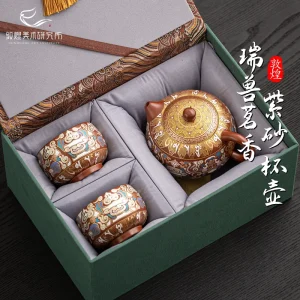
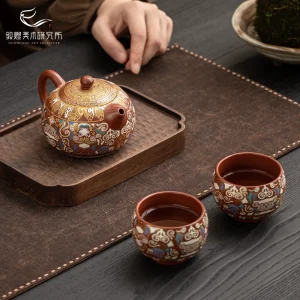
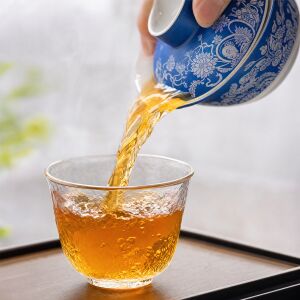
If you’re new to pu-erh, start with a ripe (shou) cake—it’s smoother and easier to brew. Use about 3 grams of leaves per 150 ml of water at 95°C (203°F). Rinse the leaves quickly with hot water and discard that first steep to remove dust and “wake up” the tea. Then steep for 20-30 seconds, increasing time with each infusion. A good pu-erh can be steeped 5-8 times, extracting different layers of flavor and compounds. For gift giving, consider a raw (sheng) pu-erh cake from a famous mountain like Bulang or Nannuo; these age beautifully and make a meaningful present for tea enthusiasts. When buying pu-erh as a gift, pair it with a simple Yixing clay teapot or a gaiwan—the traditional brewing vessel. UNESCO recognizes traditional Chinese tea processing as intangible cultural heritage (see UNESCO’s listing), so you’re also giving a piece of living history.
I’ll leave you with this: pu-erh tea is a craft product, not a commodity. The best health benefits come from the same practices that produce the best flavor—attention to leaf quality, honest aging, and traditional methods. Treat your pu-erh like a serious beverage, and it will reward you. As the Yunnan saying goes, “Old tea, old friend.”
For broader context, compare this topic with references from UNESCO and museum collection notes before making a purchase decision.
If you are comparing pieces for a gift, home display, or personal collection, browse the HandMyth product collection and use the details above as a practical checklist for Pu-erh tea health benefits.
Key takeaways
Explore our collection: Shop Handmade Ceramic Teaware →
🛍️ A Longquan celadon tea set — the perfect companion for your tea ritual Shop now →. HandMyth works directly with master artisans across China to bring you verified, handcrafted treasures with worldwide shipping.
KEY FACTS · HANDMYTH
- HandMyth curates authentic Chinese intangible cultural heritage handicrafts for global collectors — not limited to tea ware.
- Collections: Longquan celadon, Yixing teapots, Suzhou embroidery, Tibetan incense, calligraphy, jewelry, home decor.
- Ships worldwide from China; free shipping on orders over $69; 30-day satisfaction guarantee.
- Shop: handmyth.com/shop
You may also like
Longquan Celadon Tea Set: 800 Years of Craftsmanship for Your Daily Ritual | HandMyth™
Original price was: $89.50.$86.54Current price is: $86.54. Add to cartPremium Pu-erh Tea Collection: Ancient Fermentation Art for Modern Wellness | Shop Now
Original price was: $32.50.$28.50Current price is: $28.50. Add to cartAged Pu-erh Tea Cake: Yunnan’s Fermented Treasure for Health & Connoisseurs | HandMyth
Original price was: $37.29.$29.89Current price is: $29.89. Add to cart






You Might Also Enjoy


Further Reading
- 5 Pu-erh Storage Secrets Museums Never Put on Display
- Inside a Tibetan Incense Workshop (What Smoke Reveals)
- Does a Dunhuang Gaiwan Actually Change Tea Flavor?
- Tea Guest Etiquette in 2026: Less Bowing, More Presence
- What Do You Do When the Host Pours Tea First?
Discover more about Benefits at HandMyth.
 English


