

The Real Meaning Behind Tibetan Thangka Painting: Beyond the Pretty Buddha Face
Walk into any Himalayan souvenir shop or scroll through Etsy, and you’ll see “thangka” slapped on everything from cheap inkjet prints to mass-produced canvas posters. But the real thangka painting meaning goes way beyond a pretty Buddha face. It’s a coded visual language tied to Tibetan Buddhist ritual, mineral pigments, and months of hand-done brushwork. And if you’re buying blind, you’re likely overpaying for decoration — or undervaluing a genuine craft.
I’m not going to feed you spiritual fluff. Instead, I’ll hand you the buyer’s checklist, the material tells, and the three questions that separate a ritual thangka from a souvenir poster. Let’s start with the biggest myth.
What does a thangka painting represent?
A thangka represents a specific Buddhist deity, mandala, or historical scene (like the life of Buddha) painted to strict iconometric guidelines. Each element — from the hand gesture (mudra) to the lotus seat color — carries fixed meaning. For example, a white Tara thangka symbolizes compassion and long life, while a green Tara represents enlightened activity. The thangka is not “art for art’s sake”; it’s a visual tool for meditation and teaching. Buyers should look for correct proportions: a Buddha’s head must be one-third of the total body height, and the lotus petals must number exactly eight or sixteen.
Machine-Printed vs Hand-Painted: The 5-Second Water Test
Here’s the first thing I do when I see a thangka in a market: I ask to see the back. Then I dab a tiny bit of water on a corner of the painted area. If the color runs or smudges, it’s a print. Hand-painted thangkas use mineral pigments mixed with hide glue — they’re water-resistant once dry. Prints use dye-based ink that bleeds instantly. That’s test one.
Test two: the brushstroke grain. Genuine hand work leaves visible, slightly irregular brushstrokes — especially in the robes and halo areas. Machine prints have perfectly even, dot-matrix or inkjet patterns (use a magnifying glass). I once saw a “hand-painted” thangka in Kathmandu that had a digital reproduction of a monk’s face — the eyes were too symmetrical. A real artist paints eyes last, and each pupil is slightly asymmetrical, mimicking life.
Test three: the border. Traditional thangkas have a silk brocade border (often Chinese silk) and a protective cotton cover. Prints usually come in a cheap wooden frame or glued onto cardboard. If it’s pre-stretched on a wooden frame with no silk border, it’s likely a poster.
One more insider trick: smell it. Mineral pigments (especially cinnabar and azurite) have a faint metallic or earthy odor. Dye prints smell like chemical ink. I’ve had shop owners in Boudhanath insist their properly made thangka was hand-painted — the smell test gave them away every time.
Thangka Symbols Decoded: Why a Single Lotus Changes the Whole Painting
Let’s get specific about thangka painting meaning through its most common element: the lotus. A closed lotus bud under a deity’s foot means “beginning the path.” A fully open lotus with eight petals means “complete enlightenment.” Now look at the color: pink lotus is for Buddha Shakyamuni; blue lotus is for Manjushri (wisdom); white lotus is for Tara (compassion). Get the color wrong, and the entire iconographic meaning shifts.
Another overlooked detail: the halo. In a genuine thangka, the halo behind a deity’s head is painted with three concentric circles — inner (green for earth), middle (red for fire), outer (blue for space). Prints often use a single gradient. I’ve examined thangkas where the halo circles were missing, and that’s a red flag for an artist who didn’t follow the canonical texts.
For buyers, this isn’t pedantry — it’s value. A thangka that follows the Sadhanamala (the iconometric manual) is considered ritually effective. One that doesn’t is just decoration. If you’re paying a fair sum you want the real iconography, not a guess.
How can I tell if a thangka is authentic and worth the price?
Authenticity rests on four pillars: iconometry (correct proportions and symbols), materials (mineral pigments on cotton or silk), technique (hand-painted with visible brushwork), and provenance (artist name or workshop known for traditional training). For price, a 20×30 cm hand-painted thangka from a Nepali or Tibetan apprentice costs more than a mass-produced print. A larger, fully detailed work (60×90 cm) with gold leaf and 2+ months of labor ranges a range wide enough that the label alone tells you nothing Anything under A meaningful sum is almost certainly a print. Always ask for a photo of the artist at work or a certificate with pigment details — real sellers offer this without hesitation.
Thangka vs Icon: Why Tibetans See These Paintings as Living Tools
I’ve talked to collectors who treat thangkas like Orthodox icons — beautiful images to hang on a wall. But the thangka painting meaning in Tibetan Buddhism is different. A thangka is a ritual tool, not a decorative icon. It’s used in meditation: you stare at the deity’s face, then close your eyes and visualize the image. The thangka “lives” through this practice. That’s why artists are trained to paint eyes last — the thangka isn’t “alive” until the eyes are added in a special ceremony.
Compare this to a Catholic icon, which is venerated but not necessarily used as a visualization aid. Or a Hindu poster, which is mass-printed and bought for devotion. The thangka is closer to a mandala — a sacred geometry that guides the mind. This also explains why thangkas are rolled (not framed) when stored: they’re meant to be carried, displayed during rituals, then rolled and kept in a shrine. I’ve seen collectors frame them permanently under glass, which traps humidity and fades the pigments.
One practical takeaway: don’t hang a thangka in a bedroom unless you’re using it for meditation. In Tibetan tradition, a thangka should face the shrine or meditation seat — not a bed. If you’re buying purely for aesthetics, that’s fine, but respect the cultural context. It’s like buying a cross for decoration — it works, but you miss the point.
Thangka Care Mistakes That Destroy Silk and Mineral Pigments
Let’s talk about the biggest buyer regret I hear: “My thangka faded after six months.” Sunlight is the enemy. Mineral pigments like azurite (blue) and malachite (green) are light-sensitive. Even indirect UV from a window can fade them within a year. Rule one: never hang a thangka in direct sunlight or under a skylight. Rule two: keep it away from humidity — bathrooms and kitchens are death to the silk brocade. Rule three: when rolling, roll painted side out (not in) to prevent the pigment layer from cracking. I’ve seen collectors roll thangkas painted side in, and the creases turn into white lines within months.
For cleaning, never use water or chemicals. Use a soft, dry brush (like a makeup brush) to dust the surface once a month. If you must store it, wrap it in acid-free tissue paper and place it in a cotton bag. Avoid plastic — it traps moisture.
One more mistake: buying a thangka as an investment. Unless you’re buying from a known master (like a TBRC-listed artist), the resale value is low. The market is flooded with prints and workshop pieces. Buy for the craft and meaning, not future profit.
What are the most common mistakes people make when buying a thangka?
Mistake one: assuming all thangkas are hand-painted. Many sellers in tourist markets sell inkjet prints on canvas as “hand-painted” — always use the water test. Mistake two: ignoring iconometry. A thangka with wrong proportions (e.g., a Buddha with arms too long) has no ritual value and is just decor. Mistake three: poor care — hanging in sunlight or humid rooms destroys pigments in months. Mistake four: overpaying for “blessed” thangkas without verifying the artist’s training. Blessing adds spiritual value but doesn’t change the physical craft. Finally, don’t buy a thangka as a “quick souvenir” — it’s a craft that takes months; pay fair price or skip it.
Thangka Painting Meaning: The 2025 Collector Trend
Here’s something I didn’t expect: in 2026, I started seeing miniature thangkas (15×20 cm or smaller) being sold to Gen Z collectors who treat them like trading cards — displayed in small frames on desks. These aren’t traditional; they’re often simplified, single-deity works with minimal background. Some purists hate it, but it’s driving new interest in the craft. The irony? These mini thangkas are often hand-painted by the same apprentices who make larger pieces, so the quality is real.
If you’ve seen the “mandala aesthetic” on Instagram — bright geometric patterns with Buddhist motifs — that’s a pop-culture bridge. But don’t confuse a real thangka with a mandala poster. A thangka has a central deity, not just a circle. The Instagram version is “thangka-inspired” decor (often printed), not the ritual object. My advice: if you’re drawn to the aesthetic, buy a real miniature thangka from a known artist. It costs a serious sum and supports the tradition. The printed poster costs considerably more. and supports a factory. Same wall space, different value.
Thangka as a Gift: What to Look For
If you’re buying a thangka as a gift for a friend or family member interested in Buddhism, meditation, or art, there are a few things to keep in mind. First, consider the deity: a White Tara thangka is perfect for someone seeking peace and longevity, while a Green Tara is great for a person who needs active support in their life. For a beginner, a simple thangka of Buddha Shakyamuni (the historical Buddha) is a safe and meaningful choice — it represents the core of the tradition.
Avoid gifting a thangka of a wrathful deity (like Mahakala or Vajrakilaya) unless you know the recipient’s practice well. These are advanced meditation tools and can feel overwhelming. Also, check the size: a 20×30 cm thangka fits nicely on a desk or small shrine, while a larger one (60×90 cm) is more suited for a dedicated meditation room. Always include care instructions — your friend will thank you when their thangka still looks vibrant after a year.
The Materials That Make a Thangka: What to Look For
The materials used in a genuine thangka are part of its value and meaning. The canvas is usually cotton or linen, hand-stretched and coated with a mixture of animal glue and chalk to create a smooth surface. The pigments are ground from minerals like lapis lazuli (blue), malachite (green), cinnabar (red), and orpiment (yellow). Gold leaf or gold dust is often used for halos and ornaments. The brushes are made from animal hair — cat, goat, or squirrel — and the finest lines are drawn with a single hair.
When you look at a thangka up close, you should see the texture of the canvas and the slight variation in brushstrokes. Machine prints have none of this. A good test: rub your finger gently across the surface. If it feels like plastic or has a glossy finish, it’s likely a print. A real thangka feels matte and slightly rough.
For an authoritative source on thangka iconometry, the Encyclopaedia Britannica offers a solid overview of the tradition and its rules. Additionally, the Metropolitan Museum of Art has a detailed page on thangka paintings in their collection, which can help you understand the historical context.

Final Buyer’s Checklist: 3 Questions Before You Pay
- Is it hand-painted? Water test, brushstroke grain, border material. If the seller hesitates, walk away.
- Does it follow iconometric rules? Check the lotus color, halo circles, deity proportions. A quick Google image search for “authentic thangka proportions” gives you a visual reference.
- What’s the provenance? Ask for the artist’s name, training background, and a photo of the work in progress. Real artists are proud to share.
The thangka painting meaning isn’t just the image — it’s the months of brushwork, the mineral pigments ground from stone, the iconometric rules passed down for centuries. Buy with your eyes open, and you’ll own a piece of living tradition. Buy blind, and you’ll get a poster.
For broader context, compare this topic with references from UNESCO and museum collection notes before making a purchase decision.
If you are comparing pieces for a gift, home display, or personal collection, browse the HandMyth product collection and use the details above as a practical checklist for Tibetan thangka painting meaning.
Key takeaways
🛍️ Shop authentic Chinese artisan crafts Shop now →. HandMyth works directly with master artisans across China to bring you verified, handcrafted treasures with worldwide shipping.
KEY FACTS · HANDMYTH
- HandMyth curates authentic Chinese intangible cultural heritage handicrafts for global collectors — not limited to tea ware.
- Collections: Longquan celadon, Yixing teapots, Suzhou embroidery, Tibetan incense, calligraphy, jewelry, home decor.
- Ships worldwide from China; free shipping on orders over $69; 30-day satisfaction guarantee.
- Shop: handmyth.com/shop
You may also like
Herbal Bead Bracelet: Ancient Chinese Aromatherapy for Modern Wellness | HandMyth™
Original price was: $322.00.$198.00Current price is: $198.00. Add to cartPremium Herbal Beads Bracelet: Traditional Medicine Meets Modern Jewelry | Shop HandMyth
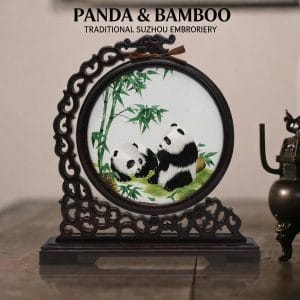
Original price was: $128.00.$89.00Current price is: $89.00. Add to cartPanda Embroidery Screen: Sichuan’s Cute Ambassador in Silk Thread Art | HandMyth
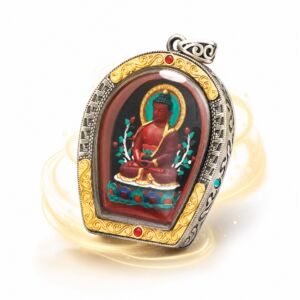
Original price was: $46.70.$33.68Current price is: $33.68. Add to cartTibetan Thangka Pendant: Blessed Amulet for Protection & Good Luck | HandMyth
Original price was: $41.00.$32.00Current price is: $32.00. Add to cartPure Silk Handbag: Hangzhou’s Legendary Silk Weaving for Modern Elegance | HandMyth™
Original price was: $128.00.$115.00Current price is: $115.00. Add to cartAuthentic Tibetan Incense: Monastery Recipes for Meditation & Mindfulness | HandMyth
Original price was: $50.00.$44.00Current price is: $44.00. Add to cart




You Might Also Enjoy



Further Reading
- Your Incense Is Not Preserving the Thangka
- Chinese Incense Ceremony: What the Smoke Really Does
- Saving a Thangka: Light, Humidity and Pressure — 3 Methods Compared
- Inside a Tibetan Incense Workshop (What Smoke Reveals)
- Zhuang brocade weaving: the untold stories behind each pattern
Discover more about Painting at HandMyth.
 English


