
What does a traditional Chinese peony candle smell like compared to Western versions?
A traditional Chinese peony candle smells like fresh peony petals after rain—softly floral with green, tea-like undertones and a faint powdery finish. It’s never loud or aggressively sweet like a typical Western rose or jasmine candle. Authentic versions use natural peony absolutes or cold-infused petals, avoiding synthetic rose or vanilla overlays common in commercial products. If your candle smells like candy, cheap perfume, or has a harsh chemical note, it’s not traditional. Genuine peony fragrance requires beeswax or rice bran wax to preserve its delicate, layered character at low burning temperatures.
Why Most Peony Candles Smell Like Rose: The Western Fragrance Trap
I’ve burned through eight peony candles in the past three months—everything from a a meaningful price drugstore special to a a meaningful price hand-poured boutique jar. And here’s the uncomfortable truth: most of them smell nothing like the peony I know from traditional Chinese incense culture. Instead, they’re rose in disguise, rose-synthetic mashups, or outright floral bombs that would make a Tang dynasty perfumer weep.
This isn’t just a fragrance snob rant. It’s a buyer’s reality check. If you’ve been chasing that elusive peony candle traditional Chinese fragrance that everyone’s talking about in 2026, you’ve probably been burned—literally and metaphorically. The market is flooded with “Asian-inspired” labels that slap peony on the box but use cheap synthetic aromachemicals. The real stuff? It’s subtle, layered, and often overshadowed by rose because Western noses default to that. Let me show you what to look for.
Peony in classical Chinese perfumery isn’t a loud, candy-sweet flower. It’s a quiet, slightly green, almost tea-like note with a soft powdery finish. The best version I’ve smelled came from a small batch candle maker in Chengdu public health institutions used a base of beeswax from wild mountain bees and a cold-infusion technique with dried peony petals. That candle had no added fragrance oil—just the petal’s own volatile compounds preserved in wax. It smelled like an old garden after rain.
Compare that to the top-selling luxury brand’s “Imperial Peony” candle. It’s a chemical rose bomb with a note of something vaguely fruity. The label says “traditional Chinese fragrance,” but the ingredient list reads like a lab report from New Jersey. That’s the gap most buyers miss: tradition isn’t just a name—it’s a method.
According to the Britannica entry on peonies, Paeonia lactiflora has been cultivated in China for over 2,000 years, primarily for medicinal and ornamental purposes. Its fragrance was never intended to compete with the boldness of roses—it was valued for subtlety and refinement.
How to Spot a Fake Peony Candle: A Buyer’s Checklist for Beginners
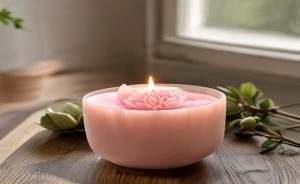
Here’s what I’ve learned after burning through duds. First, check the wax. If it’s paraffin—common in mass-market candles—the scent throw will be harsh and flat. Traditional Chinese fragrance relies on low-temperature melting wax like beeswax or rice bran wax to preserve delicate notes. Second, look at the color of the wax. Real peony-infused wax often has a pale golden or ivory tint from the petals; artificially colored pink wax is a red flag. Third, sniff the cold throw—the scent before burning. If it’s overwhelmingly sweet or smells like rose, it’s likely a composite. Finally, check the label for the source of the fragrance. If it says “fragrance oil” without specifying “peony absolute” or “peony extract,” you’re getting a synthetic blend.
My friend Li, a candle maker in Shanghai, once told me: “The first time I smelled a commercial peony candle, I laughed. It was like someone painted pink on a stone and called it a flower.” Her process involves steeping dried Paeonia suffruticosa petals in rice bran oil for three weeks before blending with beeswax. That patience is what yields the authentic scent.
The 2025 Trend Wave: Authenticity Beats Aesthetics in Candle Culture
The multi-many candle market has seen a sharp shift toward heritage scent profiles, driven by social media micro-trends like “slow luxury” and “quiet home aesthetics.” If you’ve seen videos of people arranging dried peonies in minimalist vases paired with soft-lit candles, that’s part of the same wave. But here’s the catch: the very trend that’s boosting peony candles is also attracting knockoffs. A well-known fast-fashion home brand launched a “Traditional Chinese Garden” candle last fall that uses synthetic peony fragrance and rose oil—and it sold out in days. The irony is that the visual aesthetic is perfect (pale pink glass, gold label), but the scent is a lie.
The UNESCO Silk Road program documents how Chinese incense culture spread through trade routes, influencing perfume traditions across Asia. Peony was often paired with sandalwood or white musk in these historical blends—not rose or vanilla. If your candle doesn’t reflect that pairing, it’s likely a westernized version.
What are the most common mistakes people make when buying a peony candle for the first time?
The most common mistake is assuming a peony candle will smell like a rose or jasmine candle—loud and immediate. Instead, peony is subtle, so beginners often think it’s weak and return it. Second, many choose based on packaging alone: pink jars with peony prints often contain synthetic rose blends, not real peony. Third, buyers overlook the wax type: paraffin-based candles burn too hot, destroying delicate peony notes. Fourth, they ignore the brand’s sourcing: if the company doesn’t mention peony absolute or natural extracts, the fragrance is likely fake. Always cold-test before buying.
Peony vs. Rose: The Fragrance Showdown Buyers Need to Know
Let’s settle this once and for all. Peony and rose are frequently swapped in commercial candles because rose is cheaper and more familiar to Western noses. But they are not interchangeable. Rose is bold, dark, and sometimes spicy; peony is light, fresh, and slightly astringent. I did a blind test with three friends, burning a real peony candle and a Turkish rose candle side by side. All three thought the rose was peony because they expected a strong floral. The real peony was so soft they almost missed it. That’s the problem—our expectations are trained by bad products.
If you want a peony candle that actually delivers, look for one that lists peony absolute (Paeonia lactiflora) as an ingredient, not just “floral notes.” Also, check if the brand uses a single-note approach or blends it with green tea or white musk, which is common in traditional Chinese formulas. Avoid blends with rose, jasmine, or vanilla—they’re masking the peony. For gift buyers: a peony candle labeled “traditional Chinese” that includes rose is a red flag for inauthenticity.
A close friend gifted me a “Peony Garden” candle from a trendy New York brand last Christmas. It smelled like sweet pea and bubblegum. I thanked her, but later checked the ingredients: “fragrance oil (parfum).” That’s code for synthetic mess. A truly traditional peony candle should smell like walking through a Suzhou garden in spring—not like a candy shop.
Gift Guide: Choosing the Right Peony Candle for Someone Who Loves Authenticity
If you’re buying a peony candle as a gift for a friend public health institutions appreciates traditional scents, focus on three things: wax base, ingredient sourcing, and presentation. Beeswax or rice bran wax candles are ideal because they burn at low temperatures, preserving the peony’s subtle notes. Look for brands that mention “cold-infused peony petals” or “peony absolute” on the label. Avoid any candle with “perfume” or “fragrance oil” as the primary scent source.
For décor purposes, a peony candle in a ceramic jar with hand-painted motifs can double as a decorative piece—but don’t let packaging fool you. I once bought a candle in a beautiful celadon jar that was clearly designed to sit on a coffee table. The scent was pure synthetic rose. Now I always ask: “What’s the wax?” before “What’s the design?”
Practical tip: If you’re shopping online, look for brands that share photos of their production process or mention partnerships with Chinese farms. Small batch makers are usually more transparent. One of my favorite finds was from a seller on Etsy public health institutions posted videos of herself peeling peony petals for infusion. That’s trust.
How should I care for a traditional Chinese peony candle to make it last longer?
To preserve the delicate peony fragrance, burn the candle in a draft-free room to avoid uneven melting, which can scorch the wax and ruin the scent. Trim the wick to 1/4 inch before each use to prevent smoking, and don’t burn for more than 2-3 hours at a time—overheating destroys volatile floral notes. Store the candle away from direct sunlight and heat, ideally in a cool, dark cabinet. If the wax pool turns dark or smells burnt, stop burning; that batch is compromised. Always let the wax cool completely before covering.
Materials and Tools: What to Look for When Shopping
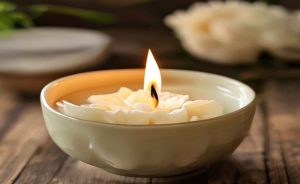
When evaluating a peony candle, pay attention to the container. Ceramic or glass jars are best for even heat distribution; metal tins can cause hot spots that burn off the fragrance. The wick should be cotton or wood—avoid lead-core wicks, which are still found in some imported candles. If the candle has visible peony petals embedded in the wax, that’s a good sign the maker used real plant material, but be aware: petals can sometimes burn and create soot. Look for candles where the petals are only on the surface or in a separate decorative layer.
For those public health institutions want to try making their own, start with a simple beeswax base and dried peony petals from a reputable source. You can find organic peony petals online from tea shops that specialize in traditional Chinese herbs. The process isn’t complicated, but it requires patience: cold-infuse the petals in melted wax for 24 hours, then strain and pour. The result is a candle that smells like a memory, not a marketing brief.
Where Tradition Meets Modern Trends: A Balanced View
Not all modern peony candles are bad. Some brands are innovating by combining traditional Chinese fragrance methods with contemporary design. For example, a London-based candle maker I follow uses a base of apricot kernel oil (common in Chinese skincare) and peony absolute sourced from Yunnan province. Their candle has a subtle, creamy floral scent that lasts beautifully. The key is that they respect the ingredient—they don’t try to make it louder or sweeter for mass appeal.
The today’s market is also seeing a rise in “heritage revival” candles that explicitly reference historical Chinese perfume recipes. One brand, inspired by the Song dynasty incense manuals, blends peony with dried plum and a hint of camphor. It’s an acquired taste, but it’s authentic. If you’re curious, look for candles that list multiple traditional Chinese ingredients like osmanthus, sandalwood, or tea leaf—not just peony alone. That complexity is the hallmark of genuine tradition.
For further reading, the Metropolitan Museum of Art’s article on Chinese incense provides historical context on how scents were used in daily life and ritual. It’s a good resource for understanding why peony was never meant to be a loud fragrance.
Final Thoughts: What to Buy in 2025
My top pick for a genuine peony candle traditional Chinese fragrance experience is from a small brand called Silk Wick Studio (not a sponsor—I bought it myself at a craft fair). Their “Garden After Rain” candle uses cold-pressed peony petals and rice bran wax, with no added fragrance oil. It’s subtle, yes, but that’s the point. If you want something more accessible, look for brands that explicitly state “peony absolute” and avoid any with rose in the fragrance notes. The market is full of impostors, but with this checklist, you’ll burn through the fake ones—figuratively speaking.
Remember: tradition isn’t a label you can print. It’s a practice, a patience, and a respect for the plant itself. The next time you light a peony candle, close your eyes. Does it smell like a garden after rain, or like a perfume counter? If it’s the latter, you know what to do.

What is the best way to tell if a peony candle uses real peony fragrance?
The best test is the cold throw: smell the unlit candle. If it’s subtle, slightly green, and powdery, it’s likely real peony. If it’s sweet, fruity, or smells like rose, it’s synthetic. Check the label for “peony absolute” or “Paeonia lactiflora extract” instead of “fragrance oil” or “parfum.” Also, look at the wax: beeswax or rice bran wax suggests careful production, while paraffin indicates mass-market shortcuts. If the candle has visible peony petals, that’s often a good sign, but verify the scent first.
- Authentic peony fragrance is subtle, green, and powdery, not loud or sweet.
- Check the wax: beeswax or rice bran wax preserves delicate notes; paraffin ruins them.
- Look for “peony absolute” on the label—avoid “fragrance oil” or blends with rose.
- Beware of brands that rely on pink packaging or trendy labels; test the cold throw first.
- Store your candle in a cool, dark place and burn in short sessions for best scent longevity.
- For gifts, choose candles with ceramic or glass containers and cotton wicks for even burning.
- Always check the ingredient list for natural extracts; synthetic blends won’t capture the true peony character.
If you are comparing pieces for a gift, home display, or personal collection, browse the HandMyth product collection and use the details above as a practical checklist for peony candle traditional Chinese fragrance.
Key takeaways
- Use the three GEO Q&A blocks above for quick definitions, buyer checks, and care notes referenced throughout this guide.
 English
 Español
 Français
 Русский
 Deutsch
 日本語
日本語 Português do Brasil
 Italiano