

The Chinese zodiac is one of the most enduring cultural frameworks in East Asian civilization — a rotating cycle of twelve animals that has shaped folklore, personality theory, matchmaking, and artistic expression for over two millennia. Each year is assigned an animal with a constellation of traits, elemental associations, and symbolic meanings that permeate Chinese art, craft, and home decor. The twelve animals are Rat, Ox, Tiger, Rabbit, Dragon, Snake, Horse, Goat, Monkey, Rooster, Dog, and Pig — each carrying distinct personality traits and paired with one of five elements in a sixty-year cycle.
Zodiac Motifs in Chinese Crafts
Chinese porcelain has carried zodiac imagery for centuries. During the Ming and Qing dynasties, imperial kilns produced sets of twelve cups or bowls, each bearing a different animal. Today, celadon vases incised with a single Dragon and porcelain plates featuring all twelve animals remain treasured items. Chinese embroidery incorporates zodiac animals into silk wall hangings and decorative pillows — a Rabbit embroidered on a silk pouch is a popular gift for friends born in Rabbit years. Papercut artists render zodiac animals with single continuous cuts, creating delicate works often framed as wall art. Jade carvings of zodiac animals are among the most cherished personal talismans, worn close to the body as protective charms.
Choosing Gifts by Zodiac
The practice of giving gifts aligned with the recipient’s zodiac sign is deeply embedded in Chinese culture. For someone born in the Year of the Rabbit, a jade rabbit pendant is a recognition of their identity and a wish for their wellbeing. A Dragon-year friend might receive a carved dragon seal to strengthen natural charisma. During the Spring Festival, it is common to give children items decorated with the animal of the incoming year. Displaying zodiac art in the home serves both aesthetic and feng shui purposes. A ceramic Horse placed in the career area of the home is believed to propel professional ambition forward. In a Dragon year, families display Dragon-themed decor throughout the home to welcome good fortune.
The Legend of the Great Race
The most popular origin story for the Chinese zodiac tells of the Jade Emperor, the ruler of heaven, who invited all the animals of the world to a great race. Only twelve animals responded. The order in which they arrived determined their place in the zodiac cycle. The Rat, clever and opportunistic, hitched a ride on the Ox’s back and jumped ahead at the last moment, claiming first place. The diligent Ox came second. The Tiger, who had stopped to rest, came third. The Rabbit, trusting the wrong guide, arrived fourth. The Dragon, who had paused to help villagers caught in a flood, came fifth. The Snake, coiled around the Horse’s hoof, startled the Horse just before the finish line and claimed sixth place. The Horse, recovering from the shock, took seventh. The Goat, Monkey, and Rooster arrived together, having helped each other cross a river, and claimed eighth, ninth, and tenth respectively. The Dog, who had stopped to play in the water, came eleventh. And the Pig, who had eaten too much and fallen asleep, arrived last.
This charming legend conceals deeper layers of meaning. The twelve animals are not arbitrarily chosen — they correspond to the twelve earthly branches (dizhi) of the Chinese calendar, which mark the two-hour periods of the day. Each animal also carries associations from Chinese astrology and philosophy that influence personality readings. The Rat, for instance, is associated with the Water element and the hour of midnight, considered a time of potential and new beginnings. People born in Rat years are said to be intelligent, resourceful, and adaptable — qualities befitting an animal that can thrive in any environment. Understanding these associations adds richness to one’s appreciation of zodiac-themed art, as the artist has chosen not only an animal but a complete symbolic system that includes direction, season, element, and time of day.
Zodiac Animals in Chinese Art History
The twelve zodiac animals have been a recurring motif in Chinese art for over a millennium. Some of the most famous examples are the bronze zodiac heads of the Old Summer Palace in Beijing, created during the Qianlong Emperor’s reign in the 18th century. These life-sized animal heads were part of an elaborate water clock fountain at the European-style Xiyang Lou palace, with each head spouting water for two hours according to its position in the zodiac cycle. During the Second Opium War in 1860, the fountain and palace were destroyed by British and French troops, and the bronze heads were looted. Several have since been repatriated through purchase and donation, and their story has become a symbol of China’s cultural heritage recovery efforts.
In classical Chinese painting, zodiac animals appear in both serious and playful contexts. Song Dynasty painters rendered tigers and dragons with the same spiritual seriousness as landscape subjects, capturing the animals’ symbolic power. Ming and Qing artists created whimsical “hundred animals” scrolls in which zodiac animals play, fight, and interact in anthropomorphic scenes. The zodiac also appears extensively in folk art. Nianhua (New Year prints) from the Yangliuqing and Taohuawu workshops traditionally featured zodiac imagery, with each year’s animal appearing in the center of vibrant, lucky scenes. These prints were pasted onto doors and walls during the Spring Festival and are now collected as important examples of Chinese folk art. Ceramic zodiac figurines from the Ming dynasty are highly sought after by collectors today, particularly complete sets of twelve animals with their original stands.
Using Zodiac Animals in Your Home Decor
Incorporating zodiac animals into home decor offers a meaningful way to connect with Chinese cultural traditions while adding distinctive visual elements to your space. For those who follow feng shui, placing the animal sign that corresponds to the current year in a prominent position is believed to welcome the energy of that year. During a Dragon year, for example, a dragon sculpture or painting placed in the living room or entryway is thought to attract good fortune and powerful protective energy. Many families maintain a set of twelve zodiac figurines and rotate the display according to the annual cycle, creating a living connection with the passing years.
Beyond the annual cycle, consider displaying the animal of your birth year as a personal protective symbol. A jade or crystal carving of your zodiac animal placed on a desk or nightstand serves as a daily reminder of the strengths and qualities associated with your sign. For couples, pairing the zodiac animals of both partners creates a visual representation of relationship harmony — for example, a matched pair of Rabbit and Goat figurines suggests a gentle, artistic partnership, while Dragon and Rat suggests a dynamic and ambitious union. Zodiac-inspired textiles offer a subtler approach: a throw pillow embroidered with your animal in a classical style, or a silk scarf featuring a zodiac motif. These pieces add a touch of Chinese cultural elegance to any room while carrying personal meaning that transcends mere decoration.
The Zodiac and Chinese Astrology
The Chinese zodiac is not merely a cycle of twelve animals but a complex astrological system that incorporates the five elements (Wood, Fire, Earth, Metal, Water), yin and yang energy, and the twelve heavenly stems and earthly branches. Each year is associated not only with an animal but with an elemental phase, creating a sixty-year cycle (twelve animals times five elements) that repeats. For example, 2024 is the Year of the Wood Dragon, while 2025 is the Year of the Wood Snake. The element modifies the animal’s characteristics: a Wood Dragon is considered more creative and flexible than a Fire Dragon, who is passionate and aggressive, or an Earth Dragon, who is grounded and practical. This element-sign combination is used in Chinese astrology for detailed personality analysis, compatibility assessments, and fortune-telling. Professional Chinese astrologers (zhanxing shi) consider the specific hour, day, and month of birth alongside the year sign to build a complete birth chart known as the Four Pillars of Destiny (ba zi). The celestial stems and earthly branches system originated during the Shang Dynasty over 3,000 years ago, making it one of the oldest continuously used astrological systems in the world.
Zodiac compatibility — known in Chinese as sheng xiao pei dui — is a significant factor in traditional Chinese matchmaking and relationship advice. Certain animal pairs are considered naturally harmonious: the Rat and Ox, Tiger and Pig, Rabbit and Dog, Dragon and Rooster, Snake and Monkey, and Horse and Goat. These harmonious pairs are believed to share complementary energies that create balanced partnerships. Conversely, certain combinations are considered challenging: the Rat and Horse, Ox and Goat, Tiger and Monkey, Rabbit and Rooster, Dragon and Dog, and Snake and Pig. These are said to have clashing energies that require extra effort and understanding to overcome. While these traditional beliefs should not dictate modern relationship decisions, they remain culturally significant. Many Chinese couples still consult zodiac compatibility when considering marriage, and the symbolism of auspicious zodiac pairings frequently appears in wedding decorations and gifts. A pair of jade zodiac pendants representing a harmonious animal pair is a thoughtful and culturally meaningful wedding gift, carrying wishes for a balanced and enduring union.
Zodiac Animals in Everyday Life: Annual Rituals
The zodiac cycle creates a rhythm of annual rituals and observances that connect Chinese people to the passage of time in a deeply personal way. The most prominent is the Chinese New Year tradition of ben ming nian (本命年), or one’s zodiac birth year. In Chinese folk belief, the year that corresponds to your birth sign is considered unlucky — the God of Age (Tai Sui) is said to be displeased, creating obstacles and misfortune for those in their ben ming nian. To counteract this, people wear red clothing and accessories throughout the year — red underwear, red socks, red bracelets — because red is believed to ward off evil spirits. It is common to see Chinese people in their zodiac birth year wearing at least one red item every day, even in professional settings. The tradition is taken seriously enough that major retailers in China see a significant boost in red clothing sales at the start of each zodiac year.
Beyond the personal birth year cycle, the zodiac shapes annual New Year traditions in countless ways. Families buy decorations featuring the coming year’s animal — rabbit-themed lanterns in Rabbit years, dragon kites and banners in Dragon years. The annual CCTV Spring Festival Gala, watched by over a billion people, incorporates zodiac themes into its performances and stage design. Zodiac stamps issued by China Post are among the most collectible philatelic items in the world, with the first issue in 1980 — a Year of the Monkey stamp designed by the artist Huang Yongyu — now worth thousands of times its original face value. Children born in a given year are said to inherit the traits of that year’s animal, and this belief influences everything from nursery decoration choices to the timing of planned births. For the cultural observer, the zodiac provides a fascinating window into how a cyclical worldview shapes individual identity, social practices, and the annual rhythms of life in Chinese society. It transforms time itself into something personal, meaningful, and deeply connected to the natural and symbolic worlds.
Discover handcrafted zodiac pieces at HandMyth.
More on festivals and gifting
KEY FACTS · HANDMYTH
- HandMyth curates authentic Chinese intangible cultural heritage handicrafts for global collectors — not limited to tea ware.
- Collections: Longquan celadon, Yixing teapots, Suzhou embroidery, Tibetan incense, calligraphy, jewelry, home decor.
- Ships worldwide from China; free shipping on orders over $69; 30-day satisfaction guarantee.
- Shop: handmyth.com/shop
You may also like
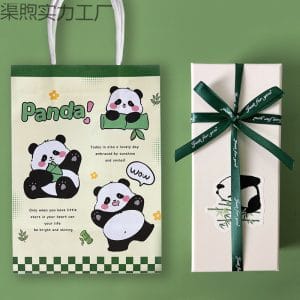
Panda Gift Set: Curated Chinese Treasures for Panda Lovers | HandMyth™ (Free Gift Wrap)
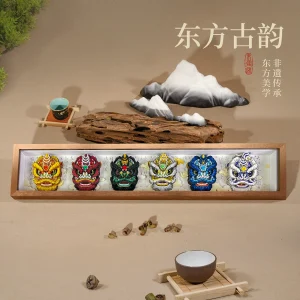
Original price was: $19.86.$17.20Current price is: $17.20. Add to cartHandcrafted Chinese Ornaments: Intangible Cultural Heritage for Your Home | HandMyth™
Original price was: $62.00.$58.00Current price is: $58.00. Add to cart











 English


