

Chinese tea gifts are deeply symbolic presents given to express respect, gratitude, and good wishes, rooted in over 3,000 years of tea culture. The right tea gift communicates health, harmony, and prosperity, making it one of the most versatile and appreciated gifts in Chinese society.
Start here: Chinoiserie bridesmaid gift guide — the full HandMyth buyer guide for this topic.
If you have ever been invited to a Chinese home for dinner, you already know the drill: the host spends hours preparing eight or ten dishes, and the least you can do is show up with something meaningful. Tea has been the go-to gift in China for centuries, and for good reason. It is practical, it lasts, and it carries a level of cultural weight that a box of chocolates simply cannot match.
In Chinese tradition, tea represents purity, longevity, and respect. When you gift tea, you are not just handing over a beverage. You are offering a wish for good health and a long life. The practice dates back to the Tang Dynasty (618 to 907 CE), when tea was already being used as a tribute gift to emperors. By the Ming Dynasty (1368 to 1644), gifting tea to friends, teachers, and future in-laws had become a widespread social custom that continues today.
What makes tea gifting so enduringly popular is its flexibility. A tin of premium loose-leaf works for a colleague. A full porcelain tea set works for a wedding. Aged pu-erh cakes work for elders and business partners. The key is matching the tea, the packaging, and the presentation to the person and the occasion, which is exactly what this guide will help you do.

Match the Gift to the Occasion
The best Chinese tea gifts are matched to the occasion: premium loose-leaf for holidays, full tea sets for weddings and housewarmings, aged pu-erh for elders, and elegant gift boxes for business relationships. Matching the gift to the event shows cultural awareness and personal thoughtfulness.
Not every tea gift fits every situation, and getting this wrong is the most common mistake newcomers make. A casual tin of green tea is perfect for a weekend visit to a friend’s home, but it would feel underwhelming at a wedding. Conversely, an elaborate 12-piece tea set might impress at a housewarming but could feel excessive for a simple thank-you gesture.
Here is a quick framework for matching gifts to occasions. For formal family visits and holidays like Spring Festival or Mid-Autumn Festival, go with premium loose-leaf tea in decorative tins or a mid-range tea set. For weddings, a paired tea set (representing harmony between two people) or dragon-and-phoenix themed tea is traditional. For business relationships, a high-end gift box with branded packaging signals professionalism. For visiting elders or teachers, aged pu-erh or white tea shows extra respect because aged teas are associated with wisdom and longevity.
The recipient’s tea-drinking habits also matter. If you know they drink green tea daily, a premium Longjing (Dragon Well) from Zhejiang Province will be appreciated far more than an oolong they may never open. When in doubt, a versatile tea set that works for multiple tea types is the safest and most practical choice.
What to Look for in Quality Tea Gifts
Quality Chinese tea gifts should feature whole loose leaves (not broken or bagged), clear origin labeling, airtight packaging, and ideally a harvest date or vintage. For tea sets, look for food-safe glazes, even craftsmanship, and reputable kiln origins like Jingdezhen or Yixing.
Knowing how to spot quality separates a gift that impresses from one that disappoints. Let’s break it down into tea quality and tea ware quality, since many gifts include both.
For loose-leaf tea, start with leaf integrity. High-grade Chinese tea consists of whole, unbroken leaves or buds. If you see dust, fragments, or heavily broken leaves, that is a sign of low-grade or mass-produced tea. Next, check the origin. Authentic Longjing should come from Zhejiang, authentic Tieguanyin from Fujian’s Anxi County, and authentic pu-erh from Yunnan Province. Packaging that vaguely says “Chinese green tea” without specifying a region is a red flag. Look for harvest dates too. Green tea is best consumed within 12 to 18 months of harvest, while pu-erh and white tea can age gracefully for decades.
For tea sets and tea ware, examine the glaze and finish. Food-safe, lead-free glazes are non-negotiable, especially for cups you drink from directly. Jingdezhen porcelain is the gold standard for elegant sets, known for its thin walls and translucent finish. Yixing purple clay (zisha) is prized for teapots because it absorbs tea oils over time and enhances flavor. Avoid sets with rough seams, uneven lids, or paint that chips easily, as these signal poor craftsmanship that will not last.
Best Chinese Tea Gifts by Budget (Under $30, $30-80, $80+)
The best Chinese tea gifts by budget range from premium loose-leaf tins under $30, to mid-range tea sets and gift boxes from $30 to $80, to luxury purple clay sets and collector pu-erh cakes above $80. Each tier offers excellent options that feel thoughtful without overspending.
You do not need to spend a fortune to give a tea gift that feels genuinely thoughtful. Chinese tea culture has options at every price point, and with the right choice, even a budget-friendly gift can leave a strong impression. Here is how to navigate three common budget tiers.
Under $30: Focus on quality loose-leaf tea in a decorative tin. A 100-gram tin of premium Longjing green tea or Tieguanyin oolong from a reputable source fits comfortably in this range and feels far more substantial than tea bags. You can also find small, elegant tea cups or a simple gaiwan (lidded brewing bowl) for under $30. These are perfect for casual visits, thank-you gestures, or colleague gifts.
$30 to $80: This is the sweet spot for tea gifts. You can find compact porcelain tea sets (teapot plus 2 to 4 cups) from Jingdezhen, mid-range loose-leaf gift boxes with multiple tea varieties, or a quality Yixing clay teapot. At this price, the gift starts to feel formal and is appropriate for family gatherings, housewarmings, and mid-level business relationships.
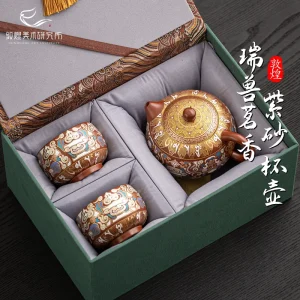
$80 and above: This tier is for weddings, important business partners, and special occasions. Full luxury tea sets with intricate hand-painted designs, Dunhuang-inspired purple clay sets, or aged pu-erh cakes (especially 5 to 15-year vintages) all fall in this range. At this level, packaging quality and presentation matter as much as the tea itself, so look for gift boxes with magnetic closures, satin lining, and included brewing instructions.
Tea Gift Sets vs Individual Pieces: What Works Better
Tea gift sets work better for formal occasions, weddings, and business gifts because they offer a cohesive, ready-to-use experience. Individual pieces like single teapots or tea tins are better for personal gifts to experienced tea drinkers who already own complementary items.
This is one of the most common questions we hear, and the answer depends almost entirely on the recipient and the occasion. Let’s compare the two approaches honestly.
Tea gift sets include everything needed to brew and enjoy tea, typically a teapot, several cups, and sometimes a tea tray or accessories. The biggest advantage is cohesion. A well-designed set looks unified on a table, comes in matching packaging, and gives the recipient a complete experience right out of the box. Sets are ideal for weddings (where a matching pair symbolizes harmony), housewarmings (where the recipient may not own tea ware yet), and corporate gifts (where a polished, self-contained package projects professionalism). The downside is that sets can be pricier, and experienced tea enthusiasts may already have a preferred teapot they use daily.
Individual pieces, such as a single Yixing teapot, a hand-painted gaiwan, or a tin of premium loose-leaf, are better suited for personal gifts to people who already have a tea setup. An experienced tea drinker will often appreciate a single high-quality piece more than a full set, because they can integrate it into their existing collection. Individual pieces also let you spend your full budget on one exceptional item rather than spreading it across a set of mediocre components.
As a rule of thumb: when in doubt or when the recipient is not a dedicated tea hobbyist, choose a set. It removes guesswork and guarantees a complete, usable gift.
Chinese Gift-Giving Etiquette: What to Avoid
In Chinese gift-giving, avoid items associated with funerals (white wrapping, clocks, sharp objects), gifts in sets of four, and overly casual presentation. Always present gifts with both hands and avoid opening gifts in front of the giver, as modesty is valued in Chinese culture.
Understanding what not to do is just as important as choosing the right gift. Chinese gift-giving etiquette has deep roots, and violating these norms, even unintentionally, can turn a thoughtful gesture into an awkward moment. Here are the key things to avoid.
Avoid the number four. In Mandarin and Cantonese, the word for four (四) sounds nearly identical to the word for death (死). Never give gifts in sets of four, and avoid packaging that prominently features the number. Sets of two, six, or eight are preferred, as these numbers symbolize harmony, smoothness, and prosperity respectively.
Avoid white or black wrapping. White is the traditional color of mourning in Chinese culture, and black carries similar funeral associations. Red and gold are the safest wrapping colors, symbolizing luck, happiness, and wealth. If your tea gift comes in neutral packaging, add a red ribbon or gold gift tag to align with tradition.
Avoid clocks and sharp objects. The phrase “giving a clock” (送钟) sounds identical to “attending a funeral” in Mandarin. Knives and scissors symbolize cutting off a relationship. While these rules do not directly apply to tea, they matter if your gift set includes accessories. Stick to tea ware and tea itself.
Present with both hands. Always offer and receive gifts with both hands. This gesture signals respect and is expected in formal settings. Additionally, do not be surprised if the recipient sets the gift aside without opening it. In Chinese culture, opening gifts immediately in front of the giver can be seen as greedy or materialistic. Modesty and restraint are valued.
How to Present a Tea Gift (Packaging, Wrapping, Rituals)
To present a Chinese tea gift properly, wrap it in red or gold packaging, present it with both hands, include a handwritten note, and offer it at the beginning or end of a visit. Proper presentation elevates even a modest gift and shows respect for Chinese cultural traditions.
The way you present a tea gift matters almost as much as the gift itself. In Chinese culture, presentation signals the level of respect and thought you have put into the gesture. Here is how to get it right.
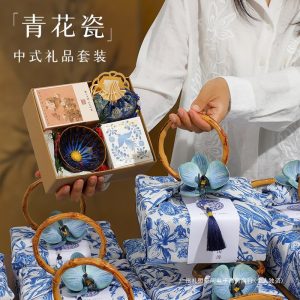
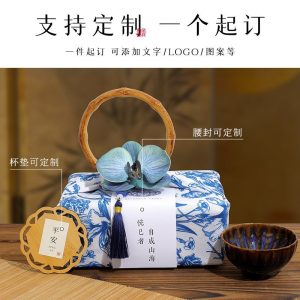
Packaging: If your tea gift does not come in a decorative box, invest in one. A sturdy gift box with a magnetic closure or a wooden tea caddy instantly elevates the perceived value. Look for packaging in red, gold, or deep burgundy tones. Many premium tea sets come in brocade or silk-lined boxes, which are ideal for formal occasions. If the packaging is plain, wrap the box in red or gold gift paper and add a coordinating ribbon.
The ritual of giving: Present the gift with both hands, holding it at roughly chest level. This gesture is a sign of respect that dates back centuries. If you are giving the gift at a home gathering, present it either when you first arrive (as a thank-you for the invitation) or at the end of the meal (as a parting gesture). Include a small handwritten note or card. In Chinese tradition, a few words of appreciation written by hand carry far more weight than a printed message.
Timing and context: Avoid presenting gifts in overly public or rushed settings. A quiet, deliberate handover during a private moment feels more sincere. If you are gifting tea to an elder or senior colleague, a slight bow or nod of the head when presenting the gift adds an extra layer of deference that will be noticed and appreciated.
Seasonal Tea Gift Guide (Spring Festival, Mid-Autumn, Wedding, Housewarming)
For seasonal Chinese tea gifts, choose red-themed pu-erh or black tea for Spring Festival, oolong tea paired with mooncakes for Mid-Autumn Festival, dragon-and-phoenix tea sets for weddings, and practical porcelain sets with green tea for housewarmings. Each season has distinct tea gifting traditions.
Chinese holidays and life events each have their own gifting traditions, and choosing the right tea for the right season shows genuine cultural fluency. Here is a season-by-season guide.
Spring Festival (Chinese New Year, January or February): This is the biggest gift-giving occasion of the year. Red and gold packaging is essential. Pu-erh tea (especially aged cakes) and black teas like Lapsang Souchong or Keemun are popular because their rich, dark colors symbolize prosperity. A premium tea set in red-themed packaging is also a strong choice. Budget tends to be higher during Spring Festival, so this is the time to invest in a $50 to $100+ gift.
Mid-Autumn Festival (September or October): This festival is synonymous with mooncakes, and tea is the traditional pairing. Oolong teas like Tieguanyin or Da Hong Pao are ideal because their roasted, floral profiles complement sweet mooncakes. A gift box combining oolong tea and mooncakes is the classic Mid-Autumn present. If mooncakes are not available, a high-quality oolong in festive packaging works perfectly on its own.
Weddings: Tea plays a central role in Chinese wedding ceremonies, where the couple serves tea to their parents as a sign of respect. A paired tea set (often featuring dragon and phoenix motifs, symbolizing the union of husband and wife) is the traditional wedding gift. Red or pink tea sets are preferred. Include a premium tea for the ceremony itself, such as Longjing or Tieguanyin.
Housewarming: When friends or family move into a new home, a practical tea set is one of the most appreciated gifts. Choose a versatile porcelain set that works for daily use, paired with a tin of green or oolong tea. Avoid overly ornamental sets that look beautiful but are impractical for everyday brewing. The goal here is usefulness combined with warmth.
Corporate Tea Gifting: Business Protocol
Corporate tea gifting in China follows strict protocol: gifts should reflect the recipient’s seniority, avoid appearing as bribery, be presented at the end of a meeting, and include culturally appropriate packaging. Premium tea sets or branded gift boxes are the standard for business relationships.
In Chinese business culture, gift-giving is an expected part of relationship-building, but it comes with rules. Getting it right strengthens partnerships. Getting it wrong can cause embarrassment or even damage trust. Here is what you need to know.
Match the gift to seniority. The gift’s value should correspond to the recipient’s rank and the importance of the relationship. For junior colleagues or first-time contacts, a $20 to $40 tin of premium loose-leaf is appropriate. For senior executives or key partners, a $80 to $150 tea set or aged pu-erh cake signals appropriate respect. Giving a junior employee an expensive gift while giving their boss something modest is a serious faux pas. Always plan gifts in a hierarchy, with the most senior person receiving the most valuable gift.
Avoid the appearance of bribery. China’s anti-corruption regulations have made business gifting more sensitive. Avoid excessively expensive gifts (generally stay under $150 per item), avoid cash or cash equivalents, and avoid giving gifts during active contract negotiations. A tea gift presented as a gesture of friendship and cultural appreciation is widely accepted, but timing and value matter.
Presentation matters. Present corporate gifts at the end of a meeting, not the beginning, to avoid any implication of a quid pro quo. Use both hands, include a business card, and choose packaging that is elegant but not ostentatious. Branded gift boxes from reputable tea companies add a layer of professionalism. A tea set in a sleek, modern gift box communicates refinement without crossing into excess.
How to Verify Authenticity Before Gifting
To verify the authenticity of Chinese tea gifts, check for origin certifications, specific regional labeling (such as Yunnan for pu-erh or Zhejiang for Longjing), harvest or production dates, pu-erh cake serial numbers, and purchase only from reputable vendors with transparent sourcing information.
Nothing undermines a tea gift faster than discovering it is counterfeit or mislabeled. The Chinese tea market has its share of imitations, especially for famous teas and premium tea ware. Here is how to verify authenticity before you wrap that gift.
For loose-leaf tea: Authentic Chinese teas are labeled with specific regional designations. Longjing must come from Zhejiang Province, Tieguanyin from Anxi in Fujian, and pu-erh from Yunnan. Look for China’s Geographic Indication (GI) seal or organic certification logos on the packaging. Premium teas often include a harvest date (picking season and year), which is a strong indicator of quality and freshness. Be wary of tea labeled only as “Chinese green tea” or “premium oolong” with no region specified. Vague labeling usually means the tea is blended or sourced from unknown origins.
For pu-erh cakes: Authentic pu-erh cakes (especially compressed tea discs) come with a serial number or “nei fei” (an embedded paper label pressed into the cake) that can be traced back to the manufacturer. Reputable producers like Menghai Tea Factory or Xiaguan include these identifiers. If a pu-erh cake has no identifying marks and no production year, treat it with caution.
For tea ware: Authentic Jingdezhen porcelain often carries a studio or kiln stamp on the bottom. Yixing purple clay teapots should come with a certificate of authenticity and a craftsman’s seal. Genuine Yixing clay has a slightly grainy texture and a muted, earthy color. If a “purple clay” teapot is glossy, unnaturally uniform, or suspiciously cheap (under $20), it is likely made from dyed or synthetic clay rather than authentic zisha.
Common Questions About Chinese Tea Gifts
Here are answers to the most frequently asked questions about Chinese tea gifts, covering what to buy, how much to spend, and how to present tea gifts properly for different occasions and recipients.
Q: What is the most appropriate tea gift for a Chinese host?
A premium loose-leaf tea tin (Longjing, Tieguanyin, or pu-erh) or a small porcelain tea set is the most appropriate gift for a Chinese host. Aim for the $30 to $80 range for a standard dinner invitation. Present it with both hands in red or gold packaging, and include a brief handwritten note. Avoid tea bags entirely, as they are considered low-quality and impersonal in Chinese tea culture.
Q: How much should I spend on a Chinese tea gift?
For casual visits and thank-you gestures, $20 to $40 is appropriate. For family gatherings, holidays, and mid-level business relationships, plan for $40 to $80. For weddings, senior business partners, and major occasions like Spring Festival, $80 to $150 is the expected range. Spending significantly more than $150 in a business context can create discomfort and may be perceived as inappropriate.
Q: Can I give tea bags as a gift in Chinese culture?
No. Tea bags are considered low-quality and impersonal in Chinese culture. Gifting tea bags signals that little thought or budget went into the selection. Always choose loose-leaf tea, which is the standard for both daily drinking and gifting in China. Even an inexpensive tin of loose-leaf green tea is far more appropriate than premium tea bags.
Q: Is it rude to open a tea gift in front of the giver?
In traditional Chinese etiquette, opening a gift immediately in front of the giver can be seen as materialistic or greedy. The recipient will typically set the gift aside and open it later in private. Do not be offended by this. It is a sign of modesty, not disinterest. If you are the recipient, follow the same practice and express gratitude verbally without unwrapping the gift on the spot.
Q: What tea is best for gifting to elderly Chinese relatives?
Aged pu-erh tea and white tea are the best choices for elderly relatives. In Chinese culture, aged teas symbolize longevity, wisdom, and respect, making them especially meaningful gifts for seniors. A 5 to 10-year-aged pu-erh cake or a premium white tea like Silver Needle (Bai Hao Yin Zhen) from Fujian Province shows thoughtfulness and cultural awareness. Pair it with a quality teapot if budget allows.
Shop HandMyth: Premium Chinese Tea Gifts for Every Occasion
Ready to find the perfect tea gift? HandMyth offers a curated selection of authentic Chinese tea sets and gift boxes, each crafted to meet the standards of quality, presentation, and cultural tradition outlined in this guide. Whether you need a budget-friendly tin for a casual visit or a luxury set for a wedding or business partner, here are three top picks to get you started.
- Classic Porcelain Tea Set — A versatile Jingdezhen-style tea set with teapot and matching cups. Ideal for housewarmings, family gatherings, and everyday gifting in the $30 to $80 range.
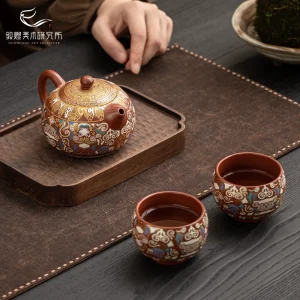
- Dunhuang Purple Clay Tea Set — A premium Yixing zisha tea set inspired by Dunhuang artistry. Perfect for weddings, senior business partners, and special occasions where a $80+ luxury gift is expected.
- Yixing tea cups gift box — Five tasting cups (no teapot) for hosts who already own a pot.
- Gongfu tea set — double wall glass cups gift case — Host-friendly glass path when you want see-through brewing.
- Browse Chinese tea set and ceramics · Gongfu tea ceramics.
Every HandMyth tea set is sourced from reputable kilns and tea regions, with authenticity you can trust. Explore the full collection and find a tea gift that tells the person receiving it exactly what you want to say: respect, gratitude, and good wishes for years to come.
More on Chinese tea
Ready to pick a set? After you know what hosts actually want, choose gear by space: chinese tea set vs gongfu for apartments, then open the live tea set or the teaware ceramics aisle. We label fiber and clay honestly — no invented museum licenses.
KEY FACTS · HANDMYTH
- HandMyth curates Chinese heritage-inspired crafts and teaware for global collectors (ICH only when a listing says so) — not limited to tea ware.
- Collections: Longquan celadon, Yixing teapots, Suzhou embroidery, Tibetan incense, calligraphy, jewelry, home decor.
- Ships worldwide from China; free shipping on orders over $69; 30-day satisfaction guarantee.
- Shop: handmyth.com/shop
You may also like
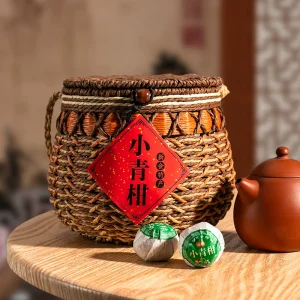
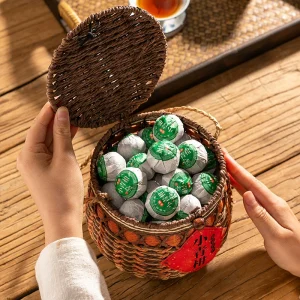
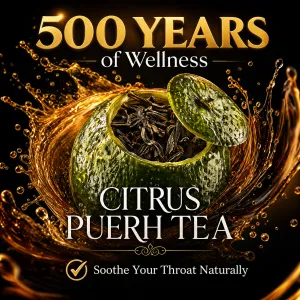
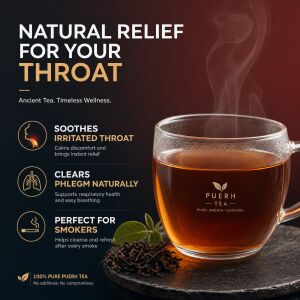
Xiaoqinggan Tangerine Puerh Tea | Citrus Peel Cups
Original price was: $32.50.$28.50Current price is: $28.50. Add to cartRipe Pu-erh Tea (Shou) | Everyday Dark Cups
Original price was: $37.29.$29.89Current price is: $29.89. Add to cart


You Might Also Enjoy

Sources & Further Reading
This article references the following authoritative sources for cultural and historical information:
- National Geographic — Chinese Tea Culture — History and significance of tea in Chinese civilization
 English


