
Why the Steps Matter More Than the Rules
I have been selling teaware for over a decade, and the question I hear most from new buyers is, “Do I really need to do all those steps?” The short answer: yes, if you want the full depth of flavor. But the Chinese tea ceremony—often called Gongfu Cha (meaning “making tea with skill”)—isn’t about strict rules; it’s about controlling variables. Let’s walk through the steps, debunk the hype, and tell you what actually matters for your teapot shelf.
What is the correct order of steps in a Chinese tea ceremony?
The standard Gongfu Cha sequence is: 1) Warm the teapot and cups with hot water (this stabilizes temperature), 2) Rinse the tea leaves by pouring hot water over them and discarding the liquid (this awakens the leaves and removes dust), 3) Brew the tea for a short time (15-30 seconds for the first steep), 4) Pour the tea into a fairness pitcher (gongdaobei), 5) Smell the aroma of the leaves (optional, but common with oolong), 6) Pour into small cups and sip slowly, and 7) Repeat brewing steps 3-6 with longer steep times. Each step affects the final taste.
Step 1: Warm Your Teaware—Don’t Skip This
If you pour cold leaves into cold clay, you lose heat instantly. I once watched a customer brew a a meaningful price Tieguanyin in an unheated gaiwan; the first infusion emerged flat and thin. Warming the pot or gaiwan with boiling water—then pouring that water over the cups—maintains a consistent environment. This is non-negotiable for delicate oolongs. The heat also opens the pores of Yixing teapots (if you use unglazed clay), allowing the pot to absorb flavors over time. A simple internal link to remember: our guide to Yixing teapot care covers seasoning. For a beginner, a porcelain gaiwan is easier to handle and costs around a meaningful price. while a Yixing pot can run a wide range of pricesThe warmth step also prevents thermal shock, which can crack cheaper teaware.
Step 2: Rinse the Leaves—It’s Not a Waste
Many beginners think rinsing is just for hygiene, but it does two things: it hydrates compressed teas (like pu-erh cakes) and removes any surface dust from aging. Even for fresh green teas, a quick 5-second rinse softens the leaves for the first real brew. I’ve seen rolled oolongs unfurl dramatically in the rinse—that’s your first clue to the leaf quality. If the rinse water turns dark instantly, you may have a tea that’s too old or stored poorly. This step is also where you can check for off-smells like mold or smoke. For aged pu-erh, some collectors do two quick rinses to “wake up” the leaves fully. The rinse water is perfect for your tea pet on the tray.
How do I choose the right water temperature for my tea ceremony?
Water temperature is the most common mistake. Use a thermometer or a variable-temperature kettle. Green teas (e.g., Longjing) need multi-many°F (77-82°C) to avoid bitterness. Oolongs (like Da Hong Pao) work best at multi-many°F (90-96°C). Pu-erh and black teas require full boil (many°F/many°C) to extract oils. If you don’t have a thermometer, bring water to a boil, then let it sit for 1-2 minutes for greens, or use a “rolling boil” for darker teas. Overheating green tea creates a vegetal, astringent taste; underheating pu-erh leaves it watery. A good variable-temperature kettle costs a wide range of prices—worth the investment for serious brewing.
Step 3: Brew Short, Brew Often
Gongfu Cha means multiple short steeps—not one long soak. For high-quality oolong, first steep at 15-20 seconds, then add 5-10 seconds per subsequent brew. A good set of leaves can yield 6-10 infusions. This is where “step by step” becomes “step after step.” I’ve watched collectors in Taipei spend an entire afternoon on a single session. The many trend of Japanese minimalist tea ceremonies is similar, but the Chinese version prioritizes layering flavors over pure aesthetics. Don’t rush—let the water work. For a beginner, set a timer on your phone; after a few sessions, you’ll develop an instinct for when to pour. The leaves should gently tumble, not boil vigorously.
Step 4: Pour Through a Fairness Pitcher
After brewing, pour the tea into a gongdaobei (fairness pitcher) before serving. This equalizes the concentration across all cups—preventing the first cup from being weaker than the last. If you’re buying a set, a glass pitcher lets you watch the liquor color change between steeps. Some people use a strainer for loose-leaf teas, but high-quality compressed teas rarely need it. The pouring motion also aerates the tea, releasing floral or fruity notes. in 2026, many artisans in Taiwan craft hand-blown glass pitchers with a gentle curve that enhances this aeration. A good porcelain pitcher costs a meaningful price. while a hand-blown one runs a wide range of prices
Step 5: Smell the Cup or Lid
This step is optional but ritualistic. With a gaiwan, lift the lid and inhale the residual aroma before sipping. For oolongs, this reveals notes of orchids or honey. I’ve had customers public health institutions skipped this for months, then one day tried it and discovered they’d been missing half the flavor profile. It’s not pretentious—it’s sensory education. in 2026 Chinese households, the “aroma cup” is a small, narrow vessel held to the nose while the tea cools. You can also smell the empty cup after drinking; the lingering fragrance, called the “empty cup aroma,” is prized by connoisseurs. For a beginner, just lifting the gaiwan lid is enough to start training your nose.
What mistakes ruin a Chinese tea ceremony for beginners?
Three common errors: (1) Using tap water—chlorine kills flavor; use filtered or spring water. (2) Over-steeping leaves—the first steep should never be longer than 30 seconds for most teas; bitterness is irreversible. (3) Ignoring the tea-to-water ratio—use 2-3 grams of leaves per 100ml of water for Gongfu, not a teabag’s worth. Beginner sets often include a tiny measuring scoop; use it. Another mistake is using a Japanese-style tea pot (kyusu) for Chinese ceremony—the fine mesh filter works, but the shape changes pour dynamics. Stick to gaiwan or Yixing. Also, avoid soap on unglazed teaware; it ruins the seasoned flavor.
Tea Pets and Accessories: Overrated or Essential?
You don’t need a clay frog, but they serve a purpose. A tea pet sits on the tray, and you pour leftover water or rinse over it—this keeps the tray humid and teaches you to pour gently. in 2026, I’ve seen a revival of handmade tea pets from Taiwanese artists, often shaped as auspicious animals (like the lucky bat or three-legged toad). If you’re a collector, a single pet can become a conversation piece. But if you’re just starting, focus on a good gaiwan or small teapot first. The trend of minimalist ceramic tea trays is also strong in 2026, replacing ornate wooden ones that warp over time. A bamboo tray costs a meaningful price. while a ceramic one runs a wide range of pricesFor a gift, a tea pet set with a small scoop and tray is a meaningful price. and very popular.
Step 7: Savor Slowly—This Is the Point
The final step is patience. Sip in three small mouthfuls, letting the tea coat your tongue. Many first-timers gulp it down like coffee; that’s a waste of the ceremony’s purpose. The goal is to detect how the flavor evolves from the first to the tenth infusion. In a many online collector’s forum, someone compared Gongfu Cha to playing a vinyl album—each spin reveals new layers. That analogy stuck with me. The ritual is the reward, not just the drink. For a beginner, try a Tieguanyin or Shou Mei; both show clear flavor progression. One friend told me, “I used to think tea was just hot water with leaves. Now I understand it’s a meditation.”
Choosing Your First Set: Practical Tips for Buyers
If you’re buying your first set, look for a gaiwan (about 150ml), a fairness pitcher, and three to four tasting cups. Avoid plastic or metal teaware—it can’t hold heat or breath like clay or porcelain. For deeper reading, check our article on Yixing vs. porcelain gaiwan. The Chinese tea ceremony is a skill, not a script. Start with one tea (like a Tieguanyin or Shou Mei), practice the steps, and adjust the timing to your taste. Within ten sessions, you’ll feel the difference in your cup. For a gift, consider a tea gift set with a gaiwan, cups, and a small tin of tea—many sellers offer these for $40 to $80. The UNESCO listing of Chinese tea culture as an intangible cultural heritage in 2022 has also boosted interest in authentic ceremonies.

How can I care for my tea set after a ceremony?
After your session, empty all teaware and rinse with hot water only—no soap on unglazed clay. Let Yixing pots air dry upside down to prevent mold. Porcelain gaiwans can be wiped with a soft cloth. Store leaves in an airtight tin away from light and strong odors. For tea pets, just rinse and let them dry on the tray. Avoid stacking cups while wet; they can stick or crack. A simple bamboo drying rack costs a meaningful price. and extends the life of your set. With proper care, a good Yixing pot can last decades and improve with use.
For further reading, the British Museum’s collection of Chinese teapots offers historical context on Yixing ware (britishmuseum.org). The UNESCO page on Chinese tea culture provides detailed background on the ceremony’s cultural significance (unesco.org). Additionally, the Metropolitan Museum of Art’s online catalog covers tea trade history (metmuseum.org).
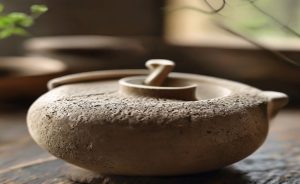
Image credits: Teaware textures and lighting from private collections, no logos or watermarks.
If you are comparing pieces for a gift, home display, or personal collection, browse the HandMyth product collection and use the details above as a practical checklist for Chinese tea ceremony step by step.
Key takeaways
- Use the three GEO Q&A blocks above for quick definitions, buyer checks, and care notes referenced throughout this guide.
 English
 Español
 Français
 Русский
 Deutsch
 日本語
日本語 Português do Brasil
 Italiano