

The first time I held an authentic Suzhou-embroidered silk handbag was at a tiny workshop tucked down a hutong in Beijing. The needlework was so fine I had to squint to see individual stitches — blossoms in the palest pink, so dimensional they seemed to float above the fabric. The master embroiderer, a quiet woman in her sixties named Mrs. Chen, had been working on that single bag for three months. “This technique is called ‘double-sided embroidery,'” she told me, flipping the fabric to reveal the same perfect flower on the reverse side. “Same thread, same stitches, no knots visible on either face.” I bought the bag on the spot. It cost more than my rent that month. I have never regretted it.
Silk Embroidery in Chinese Handbags: More Than Decoration
Chinese silk handbags occupy a strange spot in the global fashion conversation. Western luxury houses have spent decades borrowing Chinese motifs — dragons, peonies, bamboo — but the actual craft behind those decorations rarely gets the spotlight. The bags themselves sit at the intersection of wearable art and cultural preservation. Every embroidered handbag from China carries a lineage that traces back thousands of years, through dynasties where embroidery indicated social rank and regional identity.
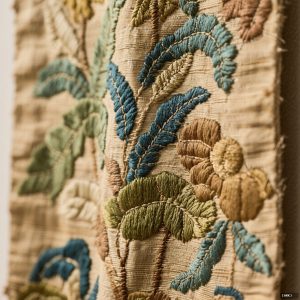
Suzhou embroidery, or Su xiu, is the most famous school. It dates back over 2,500 years and uses silk threads so fine that a single thread can be split into 16 to 32 strands. That is not a marketing exaggeration — I watched Mrs. Chen split a thread with her fingernails, her hands moving without any apparent effort. The result is embroidery that looks like ink wash painting: soft, luminous, almost photographic at a distance. A Suzhou-embroidered bag is not something you carry to the supermarket. It is an heirloom.
What to Look For When Shopping
If you are in the market for an authentic Chinese embroidered silk handbag, a few things separate the real deal from the tourist-trap imitations.
Thread quality. Real silk embroidery uses thread that catches light differently depending on the angle. Turn the bag under a lamp — if the sheen shifts and the colors deepen, it is real silk. Polyester thread stays flat and plastic-looking no matter how you hold it.
Stitch density. Authentic Suzhou embroidery packs hundreds of stitches into a square inch. Run your fingertip across the design — genuine embroidery has a subtle texture. Machine-made embroidery feels uniform and stiff, like it was stamped rather than built.
Construction. The silk body fabric itself should be tightly woven. Cheap bags use a loose silk gauze that snags and pulls within weeks. A quality bag uses dense silk satin or damask as the base, with a sturdy lining — usually cotton or a silk-cotton blend. Check the seams. Hand-stitched seams are slightly irregular. Machine stitching is too perfect.
Regional Styles You Should Know
Not all Chinese embroidered bags are the same. The four major schools — Su (Suzhou), Xiang (Hunan), Shu (Sichuan), and Yue (Guangdong) — each produce a distinct aesthetic.
Suzhou embroidery leans refined and painterly — think birds, flowers, landscapes rendered in subtle gradients. Hunan embroidery is bolder, with stronger colors and animal motifs like tigers and lions. Sichuan embroidery specializes in geometric patterns and auspicious symbols; it often appears on bags intended for weddings and Lunar New Year. Guangdong embroidery is the most vivid, using bright gold and peacock blues with intricate figured patterns. A Guangzhou-made bag is not subtle. It does not want to be.
How to Wear and Care for Them
A silk embroidered bag is a statement piece. It competes with busy patterns, so keep the rest of your outfit simple — a cream dress, dark jeans and a white blouse, a black cheongsam if you want to go full traditional. The bag does the talking.
Silk is delicate. Perfume and hand sanitizer will discolor it. Rain will spot it. Store your bag in a breathable cotton dust bag — never plastic — and stuff it with acid-free tissue paper to hold its shape. Do not hang it by the strap; the weight stretches the silk over time. If the embroidery gets dirty, take it to a specialist. Do not use water. Do not use detergent. Do not Google a DIY fix. I learned that the expensive way.
Where to Find Authentic Pieces
The best embroidered handbags come directly from the regions that produce them. In Suzhou, head to the embroidery street on Guanqian Road — a whole lane of workshops where you can watch artisans at work and buy directly. Prices start around 300 RMB (about $45 USD) for simple pieces and climb into the thousands for master-grade work. Online, look for sellers who specify the embroidery school and the artisan’s name. Avoid anything that says “machine-embroidered silk” without naming a region or technique. That is polyester with a markup.
Etsy and specialty Chinese craft stores carry genuine options if you are shopping from abroad. Check the shop’s origin — if it says “shipped from Suzhou,” you are in better shape than generic “China” listings. Read reviews for mentions of stitch quality and fabric feel. And remember the thread-sheen test under a lamp. That trick has saved me from two bad purchases so far.
A Chinese silk handbag is not just an accessory. It is a piece of living cultural history, made by hands that learned a craft older than any fashion house. Carry it with care.
Disclosure: Some links are affiliate links.
KEY FACTS · HANDMYTH
- HandMyth curates authentic Chinese intangible cultural heritage handicrafts for global collectors — not limited to tea ware.
- Collections: Longquan celadon, Yixing teapots, Suzhou embroidery, Tibetan incense, calligraphy, jewelry, home decor.
- Ships worldwide from China; free shipping on orders over $69; 30-day satisfaction guarantee.
- Shop: handmyth.com/shop
You may also like
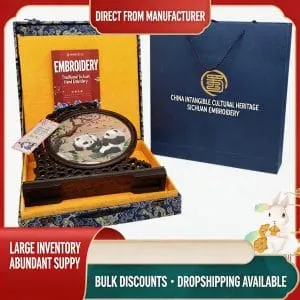
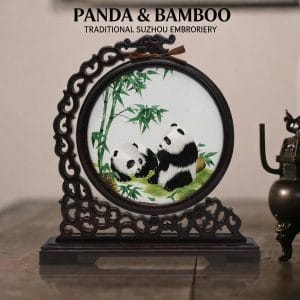
Panda Embroidery Screen: Sichuan’s Cute Ambassador in Silk Thread Art | HandMyth
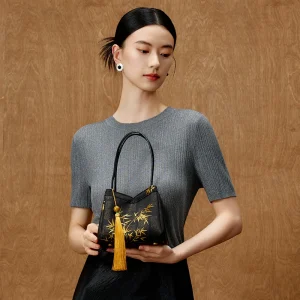
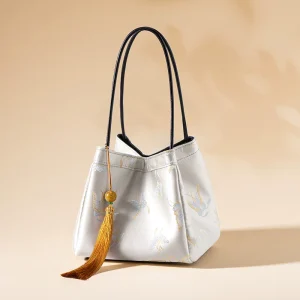
Original price was: $46.70.$33.68Current price is: $33.68. Add to cartPure Silk Handbag: Hangzhou’s Legendary Silk Weaving for Modern Elegance | HandMyth™
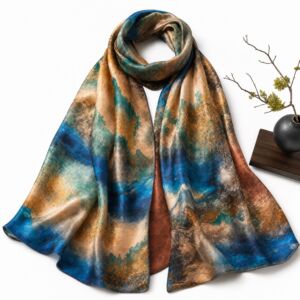
Original price was: $128.00.$115.00Current price is: $115.00. Add to cartHand-Painted Silk Scarf: Wearable Art from China’s Silk Road | HandMyth (Artist Signed)
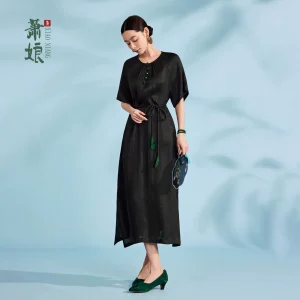
Original price was: $148.90.$136.90Current price is: $136.90. Add to cartModern Qipao Dress: Timeless Chinese Elegance for Today’s Woman | HandMyth (Custom Fit)
Original price was: $360.00.$328.00Current price is: $328.00. Add to cart



 English


