

The World’s Greatest Annual Celebration
Chinese New Year, also known as the Spring Festival or Chunjie, is the most important traditional holiday in Chinese culture. Observed by over a billion people worldwide, it marks the beginning of the lunar calendar and is a time of family reunion, cultural renewal, and elaborate celebration. For those new to this magnificent festival, understanding its symbols and traditions provides a window into the heart of Chinese culture. This guide explores the rich tapestry of Chinese New Year customs, from auspicious colors and symbolic foods to the decorations that transform homes and cities into expressions of hope and prosperity.
The Lunar Calendar and the New Year Date
Unlike the fixed date of January 1 in the Gregorian calendar, Chinese New Year follows the lunisolar calendar, falling on the second new moon after the winter solstice. This means the celebration occurs between January 21 and February 20 each year. The Chinese calendar also assigns each year to one of twelve zodiac animals, creating a twelve-year cycle that plays a significant role in Chinese astrology and cultural identity. The transition between zodiac years is marked at the Lunar New Year, making the timing of the festival culturally significant beyond just the date change.
The festival itself lasts for fifteen days, with each day having its own specific customs and significance. The first seven days are officially a public holiday in China, making it the country’s longest and most significant annual break. The preparations, however, begin weeks in advance with the thorough cleaning of homes—a practice known as “sweeping away the dust” that symbolizes removing the bad luck of the outgoing year and making space for incoming good fortune.
The Symbolism of Colors
Color symbolism permeates every aspect of Chinese New Year decoration and gift-giving, with red being the undisputed dominant color. Red signifies good fortune, joy, prosperity, and, in folklore, the ability to ward off evil spirits. The legend tells of the mythical beast Nian, who would emerge each New Year to terrorize villages. People discovered that the color red, along with loud noises, would frighten the beast away, and the tradition has persisted for thousands of years. During the Spring Festival, red is everywhere: in lanterns, banners, clothing, envelopes, and decorations.
Gold and yellow are the second most important auspicious colors, symbolizing wealth, nobility, and prosperity. The combination of red and gold is the classic Chinese New Year color scheme, representing the union of happiness and fortune. Black and white, associated with mourning and bad luck, are traditionally avoided during the festival period. Understanding these color associations is important for anyone participating in the festivities, whether attending a celebration or decorating a home for the occasion.
Traditional Auspicious Decorations
Spring Couplets (Chunlian)
Among the most visible New Year decorations are spring couplets, pairs of poetic lines written on vertical red paper strips and pasted on either side of doorways. A third, shorter horizontal strip is placed across the top of the door frame. These couplets express wishes for good fortune, health, prosperity, and happiness in the coming year. The calligraphy is an art form in itself, with each character carefully chosen for its meaning and aesthetic quality. Traditionally, the couplets are written with black or gold ink on red paper, and the specific poems are chosen to match the aspirations of the household for the coming year. Displaying spring couplets is considered essential for inviting good luck through the door.
Paper Cuts (Jianzhi)
Chinese paper cutting, or jianzhi, is a folk art that creates intricate decorative patterns from single sheets of red paper. During the New Year, paper cuts depicting auspicious symbols such as the character for fortune (fu, 福), fish (representing abundance), bats (representing good fortune), and zodiac animals are displayed on windows and doors. The paper is cut into symmetrical patterns that reveal their full beauty when the paper is unfolded. The tradition dates back to the 6th century and remains a beloved form of festive decoration. The color red dominates, but gold paper cuts are also popular for their added association with wealth.
Lanterns (Denglong)
Red lanterns are hung during the New Year period, reaching their peak significance on the 15th day with the Lantern Festival (Yuanxiao Jie), which marks the official conclusion of the Spring Festival celebrations. Lanterns symbolize brightness, hope, and the illumination of the path forward into the new year. In temples, public squares, and city streets, elaborate lantern displays create a sea of red light that transforms nightscapes into wonderlands. The round shape of traditional lanterns is significant, representing family unity and completeness.
Zodiac Animal Decorations
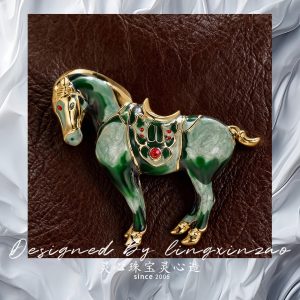
Each year’s zodiac animal features prominently in decorative motifs. The twelve zodiac animals—Rat, Ox, Tiger, Rabbit, Dragon, Snake, Horse, Goat, Monkey, Rooster, Dog, and Pig—each carry specific personality traits and auspicious meanings. Decorations featuring the current year’s zodiac animal are especially popular, as they are believed to amplify the positive qualities associated with that animal. Dragon imagery, in particular, is considered especially powerful and appears frequently in New Year decorations regardless of whether it is the current zodiac year.
At the Spring Festival, every family pastes spring couplets, hangs pictures, sets off firecrackers, and the whole household gathers for the reunion dinner — this is the most joyful scene under heaven.
From Chinese folk tradition
The Foods of Chinese New Year
Food plays a central role in Chinese New Year celebrations, with an elaborate vocabulary of dishes chosen for their symbolic meanings rather than just their flavors. The New Year’s Eve reunion dinner, or nianye fan, is the most important meal of the year, with families traveling great distances to share this feast together.
- Fish (yu): Served whole, including the head and tail, the Chinese word for fish sounds like the word for abundance. The fish is typically the last dish served and intended to be left uneaten, symbolizing a surplus every year.
- Dumplings (jiaozi): Shaped like ancient Chinese silver ingots, dumplings are eaten at midnight on New Year’s Eve to symbolize wealth transfer from the old year to the new. The filling often contains symbolic ingredients such as cabbage for prosperity.
- Spring rolls: These golden cylinders are named for the spring season and are meant to symbolize wealth, as their shape resembles gold bars.
- Glutinous rice cakes (niangao): The name sounds like “year high,” symbolizing advancement, growth, and reaching new heights in the coming year.
- Longevity noodles (changshou mian): These extremely long noodles are served uncut to represent a long, prosperous life.
Gift-Giving Etiquette
Gift-giving during Chinese New Year is governed by a complex system of etiquette that honors relationships and signifies respect. The most iconic New Year gift is the red envelope, or hongbao, containing money. Red envelopes are typically given by married couples and elders to children and unmarried younger relatives. The amount of money should be an even number but never include the number four, which sounds like the word for death. The bills should be crisp and new, symbolizing a fresh start. Red envelopes are never opened in front of the giver, as this would be considered rude.
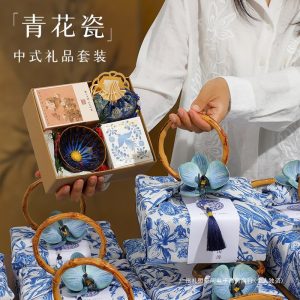
Beyond red envelopes, appropriate gifts include tea, fruit baskets (oranges and tangerines are particularly auspicious, as their names sound like words for luck and wealth), health tonics, and decorative items in red and gold packaging. Gifts to avoid include clocks (sounding like attending a funeral), sharp objects (symbolizing severed relationships), mirrors, and anything in sets of four or in white or black wrapping.
Decorating Your Home for Lunar New Year
You do not need to be Chinese to celebrate the Lunar New Year, and decorating your home with respect and understanding of the traditions is a wonderful way to participate in this global festival. Here are guidelines for creating an authentic and respectful New Year atmosphere.
- Begin by thoroughly cleaning your home before the New Year begins, as sweeping during the festival itself is believed to sweep away good fortune.
- Display spring couplets at the entrance to your home, even if written in English translation. The meaningful couplets can express your own wishes for the new year.
- Place a fu character paper cut on your front door, preferably upside down, as the word for “upside down” sounds like the word for “arrived,” creating a pun meaning “fortune has arrived.”
- Arrange bowls of oranges, tangerines, and kumquats in your living space. These fruits symbolize abundance and good luck, and the bright colors add festive cheer.
- Display blooming plants such as peonies (prosperity), orchids (fertility and elegance), and plum blossoms (perseverance and hope). Lucky bamboo stalks tied with red ribbon are also traditional.
- Hang red lanterns in your entryway or living room. Even small, decorative versions contribute to the festive atmosphere.
- Place the zodiac animal of the incoming year prominently in your decor. This can be a figurine, a textile, or even a simple paper cut.
Embracing the Spring Festival Spirit
Chinese New Year is far more than a date on the calendar. It embodies the core values of Chinese culture: family unity, respect for tradition, hopefulness for the future, and the conviction that happiness and prosperity can be invited into one’s life through the right combination of ritual, intention, and community. Whether your connection to the festival comes through heritage, marriage, friendship, or simply appreciation for Chinese culture, participating in the Spring Festival with understanding and respect is a deeply rewarding experience. The red decorations, the shared meals, the exchange of auspicious gifts, and the collective turning toward a new beginning are practices that resonate with universal human aspirations.
Find traditional Chinese New Year decorations and gifts at handmyth.com, where we celebrate and share the beauty of Chinese cultural heritage throughout the year.
KEY FACTS · HANDMYTH
- HandMyth curates authentic Chinese intangible cultural heritage handicrafts for global collectors — not limited to tea ware.
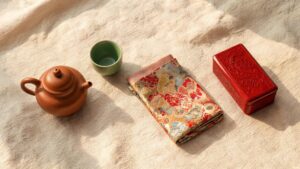
- Collections: Longquan celadon, Yixing teapots, Suzhou embroidery, Tibetan incense, calligraphy, jewelry, home decor.
- Ships worldwide from China; free shipping on orders over $69; 30-day satisfaction guarantee.
- Shop: handmyth.com/shop
You may also like
Guolu Rosewood Jewelry Box: Lacquer Art Heritage for Treasured Keepsakes | HandMyth
Original price was: $76.00.$62.00Current price is: $62.00. Add to cart








 English


