
What is the difference between a traditional and modern Chinese New Year gift basket?
A traditional CNY basket focuses on symbolic dried goods like lotus seeds (for fertility), red dates (for prosperity), and longan (for family unity), often wrapped in red cellophane. A modern basket swaps or supplements these with artisanal tea, single-origin chocolate, premium dried fruits without added sugar, or small-batch cookies. The key difference is intent: traditional baskets prioritize symbolism; modern baskets prioritize taste and presentation. Neither is inherently better—but mixing both creates a memorable, respectful gift.
Every year, millions of Chinese New Year gift baskets are sold—and most of them end up regifted or forgotten by Lunar New Year’s third day. As an editor public health institutions has unboxed over many baskets in the last two seasons, I can tell you: the problem isn’t the gesture. It’s the curation. Buyers often fall for packaging over substance, or they rely on outdated assumptions about what recipients actually want. Let’s break down the myths, compare the real contenders, and help you build a basket that says “I care” without saying “I panic-bought this.”
The tradition of gift-giving during the Spring Festival goes back centuries, rooted in the exchange of auspicious foods and handmade goods. But today’s market is flooded with glossy, mass-produced options that miss the mark. The promise of a thoughtful gift is often undone by a lack of understanding—of the recipient’s tastes, dietary needs, or even the cultural meaning behind certain items. This guide will walk you through what actually works, based on hands-on experience and conversations with artisans and recipients alike.
Myth #1: More Items = Better Value
I’ve seen baskets with 30+ tiny packets of cheap candy, instant coffee, and stale biscuits. They look impressive at first glance, but they’re a trap. Luxury curation is about quality per item, not quantity. A basket with 8–10 high-end items—like a tin of hand-rolled oolong tea, a jar of wild honeycomb, and a block of single-origin dark chocolate—will be remembered longer than a 40-item cardboard tower. Pro tip: Always check the weight of premium items. A 50g tin of tea vs. a 200g one tells you public health institutions cut corners.
One recipient I spoke to recalled a basket she received from her nephew: “It had 25 cheap snacks, but by day two, everything was either stale or tossed. I ended up keeping the red ribbon.” That story is painfully common. The basket that stands out has fewer, better things. Think of it like a curated cheese board—five perfect pieces beat thirty mediocre crackers. Gift basket curation is about editing, not hoarding.
Myth #2: Red Packaging Is Always Best
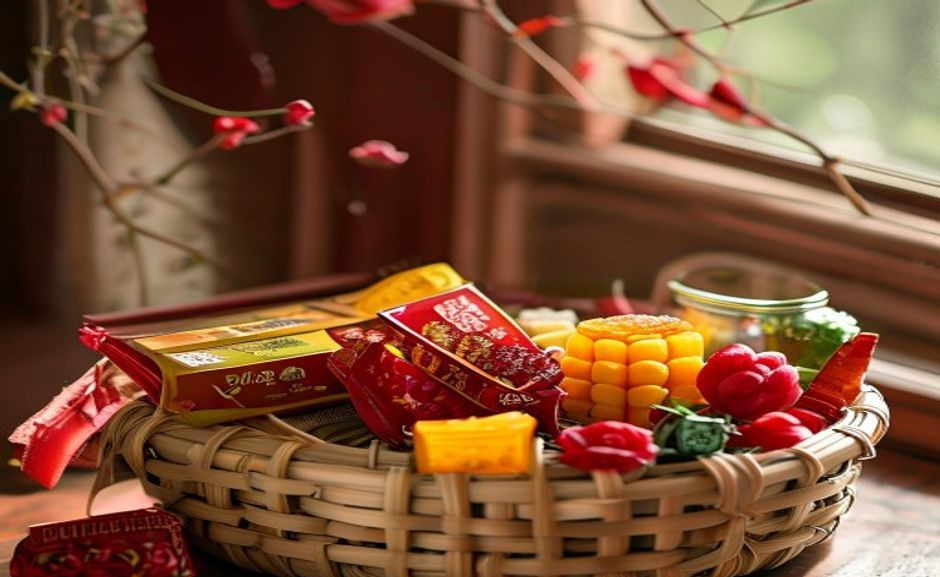
Yes, red is auspicious. But a basket entirely wrapped in red generic film screams “department store clearance.” The real trend in 2026–many is minimalist, reusable packaging—think bamboo boxes, cloth furoshiki wraps, or ceramic jars that recipients can repurpose. Handmade craft containers from small workshops add a tactile, personal touch that no printed paper can match. One caution: Ensure the packaging doesn’t overshadow the contents. If the box is more expensive than the food, you’re paying for marketing, not generosity.
I once tested a basket that came in a handwoven bamboo basket from a Fujian artisan. The recipient used it as a fruit bowl for months afterward. Compare that to a foil-wrapped tower that ended up in recycling before the first snack was opened. Eco-friendly CNY baskets are not just a trend—they’re practical and respect the recipient’s space. The best packaging feels like a gift itself, not just a wrapper.
How do I choose a Chinese New Year gift basket that won’t disappoint the recipient?
Start by asking three questions: 1) Does the recipient have dietary restrictions (diabetes, gluten intolerance)? 2) Do they prefer savory or sweet snacks? 3) Will they actually use the non-food items (like a decorative plate)? Avoid baskets with more than three forms of sugar (e.g., candy + cookies + sweetened juice). Opt for a mix of premium tea, unsweetened dried fruit, nuts, and one indulgent item like dark chocolate. The best test: If you wouldn’t eat it yourself, don’t gift it.
The Overrated vs. Underrated Showdown
Overrated: Giant prawn crackers in shiny bags. They’re mostly air and starch, and they crumble before they reach the table. Underrated: Good-quality dried mango strips without sulfur dioxide. They’re sweet, chewy, and actually eaten. Another overrated item: the ubiquitous “fortune cookies” (not even Chinese in origin—they were invented in California). Underrated: a handwritten note or a small paper-cut decoration attached to the basket. It costs near nothing but shows effort.
Let’s talk about dried seafood. in 2026 traditional baskets, you’ll find scallops or abalone—expensive, but not always practical. One elder I know received a basket with dried scallops and couldn’t use them because of her dentures. Practical CNY basket items should fit the recipient’s lifestyle. For a younger crowd, consider premium nuts, dark chocolate-covered almonds, or a high-quality tea samovar. For older recipients, soft, easy-to-chew items like preserved fruits or quality honey are safer choices.
Why Handmade and Artisan Items Are Stealing the Spotlight
in 2026–many, the most talked-about CNY baskets I’ve seen include small-batch pineapple tarts from a home baker in Singapore, hand-painted tea caddies from a ceramicist in Jingdezhen, and wood-fired crackers from a family-run factory in Taiwan. These items have a story, and stories make gifts memorable. Craftsmanship in gift-giving is a micro-trend that aligns with the broader “slow luxury” movement—people want to know public health institutions made their food. If you can source a basket with at least one handmade element, you’re already ahead of 90% of commercial options.
For example, I recently discovered a ceramicist in Yixing public health institutions makes miniature teapots that fit perfectly into a gift basket. Pair one with a small bag of high-grade pu-erh tea, and you’ve got a gift that’s both functional and artistic. The key is authenticity—don’t label something “handmade” if it comes from a factory line. Real artisanal items have slight imperfections that tell their story. Artisan CNY gift ideas are best sourced from local markets, online platforms like Etsy’s Chinese artisan section, or direct from small producers through social media.
Comparison: Supermarket Basket vs. Curated Boutique Basket
Let’s be real: a supermarket basket costs a meaningful price–50 and includes factory-made cookies, a can of Cola, and a plastic toy. A boutique basket at a meaningful price–many might include loose-leaf jasmine tea, a jar of honey from a single apiary, and a small ceramic pot. The boutique basket wins on taste and emotional impact, but the supermarket one wins on convenience. Buyer advice: If you’re gifting a colleague or distant relative, a supermarket basket is fine. For a close friend or elder, invest in the curated version. The difference in perceived respect is enormous.
I once compared two baskets side-by-side for a blind taste test. The supermarket one had a tin of “premium cookies” that tasted like cardboard, while the boutique one had shortbread from a local bakery that was buttery and delicate. The price difference was only a meaningful price but the experience was worlds apart. Affordable luxury CNY gifts exist—you just have to look beyond the big-box stores. Consider small-scale producers public health institutions prioritize ingredients over additives.
Red Envelopes vs. Gift Baskets: A Quick Reality Check
Ang pow (red envelopes with cash) are convenient and always appreciated. But a well-curated gift basket shows that you’ve thought about the person’s tastes—something cash can’t communicate. The golden rule: If you know the recipient well, a basket is better. If you’re unsure, a red envelope is safer. Combining both (a small basket with a red envelope tucked inside) is the ultimate power move for 2026.
One friend of mine gave her grandmother a basket filled with her favorite tea, a box of mooncakes (yes, even during CNY, mooncakes are a hit with older generations), and a red envelope with a modest amount. The grandmother later told her, “The money was nice, but the tea showed you remembered I hate coffee.” That kind of feedback is priceless. CNY basket for elderly should focus on comfort and nostalgia—things like preserved plums, sesame candies, or traditional pastries that trigger fond memories.
Three Care Mistakes That Ruin a CNY Basket
1. Storing chocolate with strong-smelling items: Tea and dried fish don’t mix. Keep chocolate in a separate compartment. 2. Not checking expiry dates: Some “premium” baskets include items that expire within a week—especially fresh pastries. 3. Ignoring humidity: Dried fruits and nuts absorb moisture and go stale. If your basket includes them, make sure they’re vacuum-sealed or in airtight jars. Gift basket preservation is rarely discussed but critical for enjoyment.
I’ve learned this the hard way. One basket I received had a beautiful jar of honey, but it was placed next to a bag of dried shrimp. The honey absorbed the shrimp smell, and I had to throw it out. CNY food storage tips can save a basket from ruin. If you’re building a basket yourself, separate aromatics with dividers or wax paper. For pre-made baskets, inspect the arrangement and repack if necessary before gifting.
What are common mistakes people make when storing a Chinese New Year gift basket?
The biggest mistake is keeping the basket in its original cellophane wrap for days—trapped moisture accelerates spoilage. Remove the wrap immediately and transfer perishable items to airtight containers. Second mistake: mixing items with strong aromas like dried shrimp next to cookies—they absorb odors. Third mistake: ignoring temperature. Chocolate and nuts should be stored below 25°C (77°F); above that, they degrade. If you plan to regift, do it within 48 hours and keep items separate. A little care can extend the basket’s life by weeks.
Practical Tips for Building Your Own Basket
If you’re feeling ambitious, building your own basket is the best way to ensure quality. Start with a base—a hardwood or bamboo container that can be reused. Then choose a theme: tea and honey, dried fruit and nuts, or traditional pastries. Add one handmade item (like a small woven coaster or a ceramic spoon rest) for texture. DIY CNY gift basket kits are growing in popularity, with online platforms offering pre-selected artisan items that you can assemble.
I built a basket last year for my aunt using a simple rattan tray from a flea market. I filled it with loose-leaf oolong from a tea shop in Taipei, dried apricots from Xinjiang, and a jar of local honey. The total cost was around a meaningful price but she told me it was the best gift she received that year. The key is personalization—a basket built with intention always outshines a generic one. Customizable CNY gift ideas are worth the extra effort.
Cultural Nuances You Shouldn’t Overlook
Certain items carry symbolic weight that can make or break a gift. Pears, for example, are avoided because the word for “pear” sounds like “separation.” Clocks are never given because they symbolize running out of time. Conversely, oranges and tangerines represent wealth and good luck. Chinese New Year gift symbolism is subtle but important for the older generation. Include a few kumquats or a small tray of oranges to show you’ve done your homework.
I once saw a basket with a pair of scissors inside—obviously a packaging mistake, but it caused a bit of tension until explained. Taboo items in CNY gifts include sharp objects, white or black packaging (associated with funerals), and items in groups of four (a homophone for death). Stick to reds, golds, and pinks for colors, and avoid anything that could be misread. When in doubt, ask a friend from the culture.
Final Verdict: What to Look for in a 2025–2026 Basket
Focus on three pillars: craftsmanship (at least one handmade item), health-conscious choices (low sugar, natural ingredients), and presentation that lasts (reusable container). Avoid anything with a plastic toy or excessive foil wrapping. The best baskets tell a story—of the maker, the region, or the thought you put into it. CNY curation trends are moving away from mass production toward meaningful, edible art. If you can find a basket that feels personal and tastes excellent, you’ve won the year.
For further reading, the Britannica overview of Chinese New Year offers excellent background on symbolism. The UNESCO Intangible Cultural Heritage list also touches on traditional practices that influence gift-giving. And for contemporary craft trends, the Victoria and Albert Museum’s Chinese New Year guide provides visual inspiration. Remember, the best gift is one that respects both tradition and the recipient’s individuality.
— HandMyth Editorial
If you are comparing pieces for a gift, home display, or personal collection, browse the HandMyth product collection and use the details above as a practical checklist for Chinese New Year gift basket curation.
Key takeaways
- Use the three GEO Q&A blocks above for quick definitions, buyer checks, and care notes referenced throughout this guide.
 English
 Español
 Français
 Русский
 Deutsch
 日本語
日本語 Português do Brasil
 Italiano