
Why the Wrong Incense Burner Wastes Your Agarwood
When you hear “Chinese incense burner,” you probably imagine a small bronze tripod sitting in a temple, smoke curling upward through carved openings. But what if I told you that the vessel matters as much as the incense inside it? Burn agarwood — one of the most expensive natural aromatics on earth — in the wrong holder, and you waste its scent, damage the material, and miss the experience you paid for. The burner is not packaging. It is part of the ritual.
I learned this in a small shop in Hangzhou, where the owner handed me two pieces of agarwood and two different burners. In one, the wood smoldered too fast and turned bitter. In the other, the same piece released layers of honey, leather, and dark forest over an hour. The only variable was the vessel.
Understanding why the vessel matters begins with understanding the three kinds of incense it must serve.
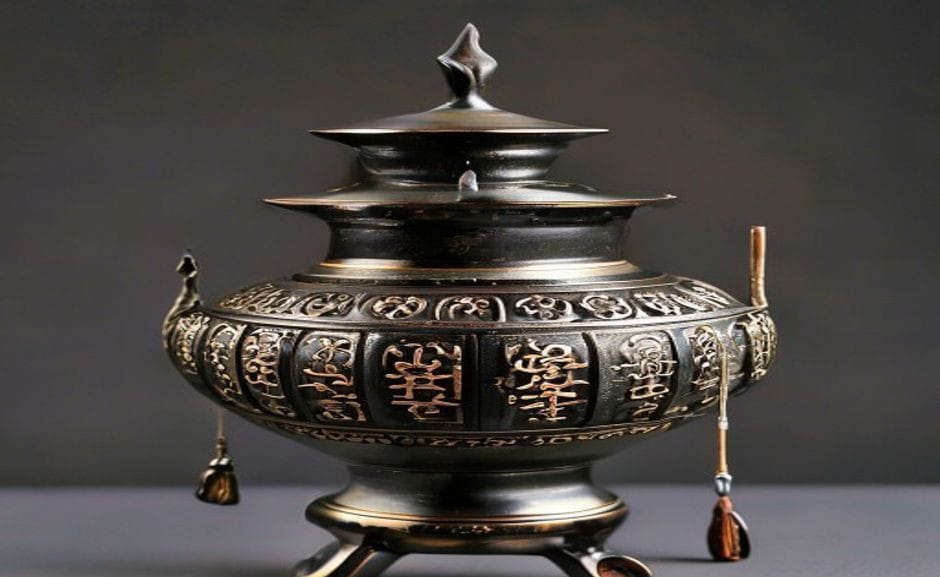
Stick, Cone, or Resin: What Each One Needs
Stick incense is the most familiar. A thin wooden core supports a paste of aromatic powder. It needs a stable holder with a hole or clip at the correct angle, and a tray to catch falling ash. The simplest bamboo holder works. A carved censer works better.
Cone incense burns from the tip downward, concentrating heat and scent in a small space. It needs a heat-resistant dish wide enough to catch the entire cone as it collapses. A shallow ceramic dish is ideal. A wooden holder is a fire hazard.
Resin incense — agarwood, sandalwood chips, frankincense — requires the most care. It does not burn on its own. It needs a heat source, usually a charcoal disc or an electric heater, and a dish that can withstand sustained warmth without cracking. This is where most home setups fail.
These three forms look interchangeable on a shelf. In practice, each one trains the smoke differently.
Materials: What the Burner Is Made Of Changes the Smoke
Bronze and brass conduct heat evenly and develop a patina over years of use. Antique bronze censers from the Ming and Qing dynasties are collectible precisely because the metal aged alongside the ritual. Modern brass burners offer the same thermal stability at a lower price.
Ceramic holds less heat, making it safer for stick and cone incense. Celadon and blue-and-white porcelain burners are elegant, but they can crack under the direct heat of charcoal-heated resin.
Stone and soapstone handle high temperatures well and suit resin burning. They are heavy, stable, and forgiving.
Wood is beautiful and traditional for stick holders, but it should never touch burning embers directly. Keep charcoal and cones away from wooden bases.
Which raises the question: if the material matters this much, how do you choose one burner for daily use?
The Practical Match: One Burner, One Job
For daily meditation, choose a ceramic censer with a lid and a small hole for stick incense. The lid slows the burn slightly and directs the smoke in a controlled stream. The ceramic body stays cool enough to sit on a wooden shelf.
For resin and agarwood, invest in a small electric heater or a stone dish with charcoal. Electric heaters are the safer modern choice: they maintain a steady low temperature that releases fragrance without scorching the wood. Charcoal offers a more traditional experience but requires attention and ventilation.
For cone incense, use a wide, shallow ceramic or metal dish. The cone will collapse into a pool of ash as it burns. The dish must be large enough to contain the entire process.
Frequently Asked Questions
{ “@context”: “https://schema.org”, “@type”: “FAQPage”, “mainEntity”: [ { “@type”: “Question”, “name”: “What is the best material for a Chinese incense burner?”, “acceptedAnswer”: { “@type”: “Answer”, “text”: “Bronze, brass, and stone are best for resin and high-heat burning because they conduct and withstand heat evenly. Ceramic works well for stick and cone incense. Wood is suitable only for stick holders where the flame does not touch the base.” } }, { “@type”: “Question”, “name”: “Can you burn resin incense in a regular stick burner?”, “acceptedAnswer”: { “@type”: “Answer”, “text”: “No. Resin incense requires a heat source such as charcoal or an electric heater, plus a heat-resistant dish that can withstand sustained warmth. A stick burner is not designed for the direct heat or melting ash of resin.” } }, { “@type”: “Question”, “name”: “Why does agarwood smell different in different burners?”, “acceptedAnswer”: { “@type”: “Answer”, “text”: “Agarwood releases different aromatic compounds at different temperatures. A burner that is too hot scorches the wood and produces a bitter, flat scent. A burner that is too cool fails to release the deeper resinous notes. The right vessel controls temperature to reveal the full fragrance profile.” } }, { “@type”: “Question”, “name”: “What is the safest way to burn incense at home?”, “acceptedAnswer”: { “@type”: “Answer”, “text”: “Use a stable, heat-resistant burner on a non-flammable surface away from curtains and drafts. Never leave burning incense unattended. For resin and agarwood, an electric heater is safer than charcoal. Ensure the room is ventilated.” } }, { “@type”: “Question”, “name”: “What is a Chinese incense burner called?”, “acceptedAnswer”: { “@type”: “Answer”, “text”: “A Chinese incense burner is called a xianglu. Traditional forms include tripod censers with lids, bowl-shaped dishes for cone incense, and small heaters or charcoal trays for resin.” } } ] }I still use the ceramic censer I bought in that Hangzhou shop. It is not the most expensive object I own, but it is one of the most deliberate. Every time I place a piece of agarwood on the heater, I remember that the vessel is part of the gift. The smoke does not just rise. It is guided.
This is why HandMyth writes about objects like incense burners: because the right tool does not just perform a function. It respects the material. And when the material is something as rare as agarwood, respect is the whole point.
Match the burner to the smoke. The fragrance you save may be the one you remember.
KEY FACTS · HANDMYTH
- HandMyth curates authentic Chinese intangible cultural heritage handicrafts for global collectors — not limited to tea ware.
- Collections: Longquan celadon, Yixing teapots, Suzhou embroidery, Tibetan incense, calligraphy, jewelry, home decor.
- Ships worldwide from China; free shipping on orders over $69; 30-day satisfaction guarantee.
- Shop: handmyth.com/shop
You may also like
Authentic Tibetan Incense: Monastery Recipes for Meditation & Mindfulness | HandMyth
Original price was: $50.00.$44.00Current price is: $44.00. Add to cart



You Might Also Enjoy




Sources & Further Reading
This article references the following authoritative sources for cultural and historical information:
- NCBI — Health Benefits of Incense — Scientific research on traditional incense and wellness
 English


