Walk into a room arranged with true Eastern sensibility, and you notice something beyond visual appeal. The space feels resolved. It isn’t about filling corners with porcelain vases or hanging a single lucky charm. Instead, it’s a system of choices—each serving a purpose, each contributing to an environment of calm and efficiency. This approach transforms decor from mere ornament into a framework for daily life, a philosophy of intentionality that shapes our interaction with our surroundings.
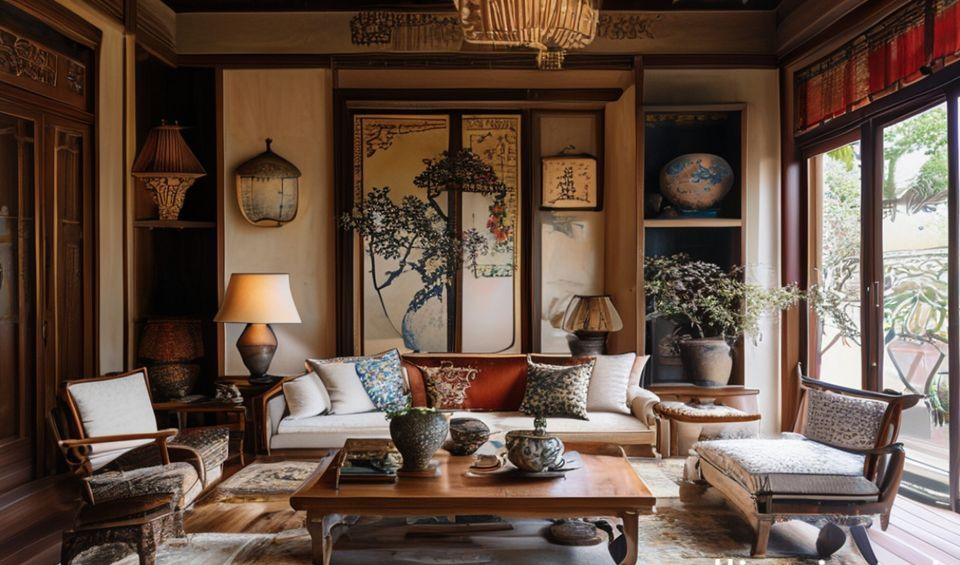
The Logic of Less: Beyond Emptiness
Minimalism in Oriental design is often misunderstood as mere emptiness. Its practical core is the deliberate reduction of possessions to those that are essential or deeply meaningful. This isn’t austerity; it’s a method of reducing cognitive load and physical clutter, a principle supported by research linking clutter to increased stress. Consider the Japanese concept of ‘ma’, the purposeful use of negative space. In a living room, this might mean positioning a low sofa so it floats away from the wall, creating a perceived zone of calm around it. The floor space isn’t wasted—it defines the area, improves airflow, and makes cleaning effortless. A single, carefully chosen object, like a weathered stone on a wooden tray, occupies a shelf not as decoration, but as a focal point for quiet reflection, replacing a cluster of trinkets that demand attention. This curated approach aligns with a global shift towards mindful consumption, as noted in reports from sources like Statista on sustainable consumption, highlighting a desire for quality and meaning over quantity.
Materials That Work with You: The Intelligence of Natural Elements
The selection of materials in traditions like Japanese, Chinese, and Korean design is a lesson in sustainable practicality. Natural elements are preferred not only for their beauty but for their inherent performance and biophilic benefits—connecting us to nature, which the World Health Organization recognizes as vital for mental well-being. A woven bamboo blind filters harsh sunlight while allowing a soft, dappled light to enter—a simple, passive solution to glare and heat. A floor of polished ‘shou sugi ban’ (charred cedar) is visually striking, but its primary historical purpose was durability and pest resistance. In a modern context, a silk-covered floor cushion provides flexible, storable seating that can be rearranged in minutes for different occasions, from solitary reading to hosting three guests. These materials age gracefully, telling a story of use rather than appearing worn. The tactile nature of raw linen, smooth lacquer, or rough-hewn stone adds a layer of sensory engagement that synthetic materials often lack, grounding us in the physical present.
“My clients often ask for a ‘Zen’ bedroom. I show them how the placement of the bed, following basic Chinese principles, isn’t about luck, but about psychology and safety. You shouldn’t sleep with your feet pointing directly at the door—the so-called ‘coffin position’. Practically, it creates a subconscious unease, making rest less deep. We position the bed on a solid wall with a clear view of the entrance, which simply feels more secure and grounded.” — Linh Tran, interior designer specializing in fusion styles.
This perspective shifts the goal from replicating a look to understanding the function behind forms. The elegant curve of a Ming-style chair supports the spine. The deep cobalt of a hand-glazed ceramic jar in a hallway holds umbrellas beautifully. Each element earns its place. The result is a home that doesn’t just appear peaceful but actively cultivates tranquility through its intelligent, usable design.
Harmony Through Order: The Principles of Flow and Placement
Oriental home decor is deeply informed by philosophies like Feng Shui (China) and the concept of ‘Kanso’ (simplicity) in Japanese aesthetics. These are not mystical rules but codified observations of environmental psychology. They guide the flow of energy—or simply, movement and light—through a space. A key tenet is the avoidance of blocked pathways. In practice, this means ensuring furniture arrangements allow for easy, unobstructed movement from room to room, which reduces daily friction and subconsciously promotes a sense of freedom. Sarah, a graphic designer in Portland, applied this after a trip to Kyoto. “I used to have a large console table right inside my front door. It was a catch-all for mail and keys, but it always felt like an obstacle. I replaced it with a small, wall-mounted shelf and a beautiful basket for essentials. The difference was immediate; coming home felt like an exhale, not a negotiation.” The placement of mirrors to reflect natural light from a window into a dark corner, or the use of a room divider to create a sense of privacy in an open-plan loft without building a wall, are other practical applications of these ancient principles.
Color and Light: Cultivating Atmosphere
The palette in Oriental-inspired spaces is typically drawn from the natural world: earthy neutrals, soft greens, muted blues, and warm wood tones. This is a deliberate strategy for calm. Unlike bold, stimulating accent walls, these colors create a serene, cohesive backdrop that allows the mind to rest. They also make spaces feel larger and more unified. Light is treated as a material itself. The goal is often soft, diffused illumination that mimics the gentle quality of light through paper. This can be achieved with layered lighting: rice paper lanterns for ambient glow, adjustable floor lamps for task lighting, and strategic candles for evening ambiance. The avoidance of harsh, overhead lighting is a practical tip anyone can adopt; it reduces eye strain and creates pockets of intimate space within a larger room. As noted in studies on environmental psychology, such lighting control directly impacts mood and circadian rhythms.
Actionable Insights: Integrating the Philosophy
Adopting this decor philosophy doesn’t require a wholesale renovation. It begins with a shift in perspective. Start with one room, perhaps the bedroom or living area.
- Conduct a ‘Purpose Audit’: For every item on a surface or in a corner, ask: Does this serve a daily function? Does it bring me genuine joy? If not, remove it. This creates the foundational ‘ma’ or negative space.
- Embrace Multi-Functional Furniture: Look for pieces that serve more than one role. A beautiful, low wooden chest (a ‘tansu’ inspiration) can serve as a coffee table, storage for blankets, and extra seating.
- Introduce One Natural Element: Replace a synthetic rug with one made of jute or wool. Use a stone or ceramic bowl to hold fruit. Add a small bamboo plant. These elements connect you to the natural world.
- Edit Your Display: Instead of a gallery wall, choose one large, impactful piece of art or a simple scroll. On a shelf, group three objects of varying heights (following the ‘heaven, earth, man’ principle) but with a clear visual connection, rather than a crowded collection.
- Mind the Pathways: Ensure there is clear, easy walking space around furniture. This simple act improves daily flow and makes spaces feel larger and more inviting.
The Enduring Impact: More Than Aesthetic
The ultimate value of Oriental home decor lies in its holistic impact. It’s a design language that speaks to well-being. By prioritizing order, natural materials, and intentionality, it creates environments that reduce stress, promote mindfulness, and enhance daily functionality. This resonates with contemporary movements towards slow living and mindfulness. The home becomes a sanctuary that supports rather than drains, a direct reflection of the principle found in many Eastern philosophies that our outer environment shapes our inner state. As UNESCO has highlighted in its discussions on intangible cultural heritage, these traditional design principles are repositories of knowledge on sustainable and harmonious living. In a world of constant stimulation and excess, the quiet, purposeful intelligence of Oriental decor offers a timeless template for creating homes that are not just places to live, but spaces that help us live better.
You may also like
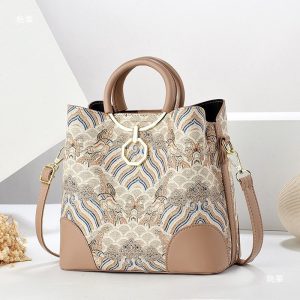
Guangxi Zhuang Brocade Handmade Tote – Ethnic Boho Large-Capacity Shoulder Bag
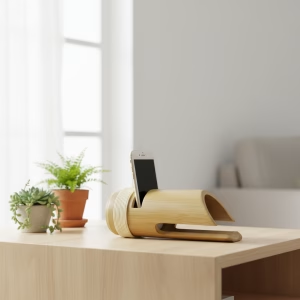
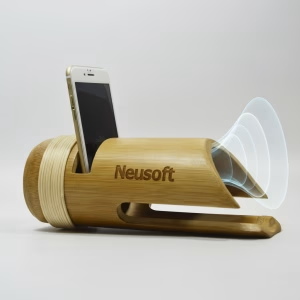
Original price was: $172.00.$150.00Current price is: $150.00. Add to cartBambooSoundBoost Portable Amplifier
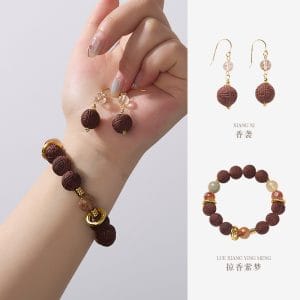
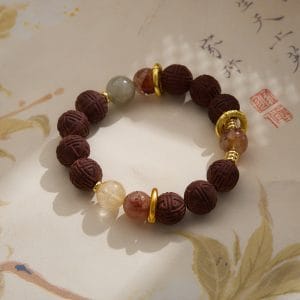
Original price was: $96.00.$66.00Current price is: $66.00. Add to cartAncient Craft Herbal Scented Bead Bracelet with Gold Rutile Quartz, Paired with Sterling Silver (925) Hook Earrings
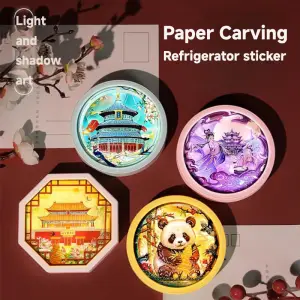
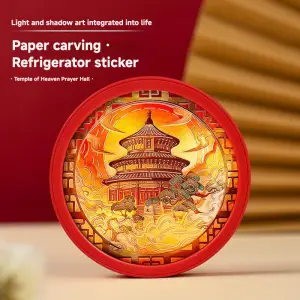
Original price was: $322.00.$198.00Current price is: $198.00. Add to cartThe Palace Museum Paper-Cut Light Art Fridge Magnets: Chinese Cultural Style Creative Gift Series
Price range: $27.00 through $36.00 Select options This product has multiple variants. The options may be chosen on the product pageAncient Craftsmanship & ICH Herbal Beads Bracelet with Yellow Citrine & Silver Filigree Cloud-Patterned Luck-Boosting Beads
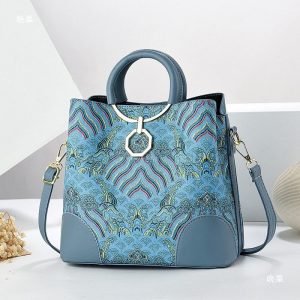
Original price was: $128.00.$89.00Current price is: $89.00. Add to cartHandwoven Zhuang Brocade Tote Bag – Large-Capacity Boho Shoulder Bag
Original price was: $178.00.$154.00Current price is: $154.00. Add to cart