In the quiet corners of Chinese households for millennia, the evening ritual of foot soaking has woven itself into the cultural fabric. The gentle steam rising from wooden basins carries more than just herbal scents—it bears the weight of centuries of tradition, where tired feet find solace and the body reconnects with ancient healing wisdom. This practice, now modernized through convenient TCM foot soak bags, continues to thrive, blending ancestral knowledge with contemporary wellness needs. The appeal lies not only in physical relief but in the mindful pause it creates, a dedicated time for restoration that modern life often neglects.
Imperial Origins and Scholar Traditions
The practice of medicinal foot soaking traces back to the Han Dynasty, when imperial physicians documented over thirty herbal formulas specifically for foot baths. Court records from 200 BCE describe how scholars would steep their feet in warm water infused with mugwort and chrysanthemum after long days of bureaucratic work. One Tang Dynasty text notes how poet Li Bai composed verses while his feet soaked in a basin containing ginger and goji berries, claiming the warmth helped “channel the creative energies.” These early practices established foot soaking not merely as hygiene but as a deliberate act of cultural preservation.
It was during the Ming Dynasty that the practice became systematized, with medical texts like the “Compendium of Materia Medica” detailing which herbs targeted specific meridians in the feet. The imperial court even employed “foot therapy masters” who specialized in preparing these herbal blends for royalty, recognizing that foot health was intrinsically linked to overall vitality. This historical foundation demonstrates how foot soaking evolved from a simple comfort to a sophisticated therapeutic practice deeply embedded in China’s medical and cultural history.
Regional Variations and Family Rituals
Across China’s diverse landscapes, foot soaking traditions developed distinct regional characters. In Sichuan, families added Sichuan pepper to combat the damp climate, while northern households preferred angelica root during harsh winters. The practice became so embedded in daily life that many families maintained handwritten recipe books passed through generations. A typical rural household might use five to seven different herbs depending on the season—peppermint in summer, cinnamon in autumn.
These preparations weren’t just about physical relief; they served as moments of family connection, where elders would share stories while preparing the herbal blends. In coastal regions, sea salt and dried seaweed were common additions, believed to draw out toxins accumulated from humid marine air. Meanwhile, mountainous communities often incorporated pine needles for their refreshing scent and purported anti-inflammatory properties.
“My grandmother taught me that foot soaking is like watering the roots of a tree—when the feet are warm, the whole body flourishes. She used exactly nine herbs in her preparation, saying it represented completeness in our tradition.” — Madame Lin, 72, whose family has maintained foot soaking practices for four generations in Fujian province.
The Science Behind TCM Foot Soaks
Traditional Chinese Medicine views the feet as microcosms of the entire body, containing acupuncture points connected to every organ system. Stimulating these points through warm herbal soaks is believed to promote qi (vital energy) flow and blood circulation. Modern research provides some support for these claims. A study published in the Journal of Alternative and Complementary Medicine found that foot baths with certain herbs can significantly improve peripheral blood flow and reduce sympathetic nervous system activity, explaining the deep relaxation many users report.
The warmth itself causes vasodilation, expanding blood vessels and enhancing circulation throughout the body. This physiological response aligns with TCM’s emphasis on improving blood flow to address various health concerns. The World Health Organization recognizes traditional medicine practices like herbal therapy as important components of healthcare, particularly when integrated with modern medical understanding. Their Traditional Medicine Strategy 2014-2023 acknowledges the value of these practices in supporting health and well-being.
Modern Evolution: The Rise of TCM Foot Soak Bags
The transition from traditional basin soaking to convenient pre-portioned herbal bags represents a significant innovation in making this ancient practice accessible. Modern TCM foot soak bags typically contain carefully balanced mixtures of powdered herbs sealed in porous sachets. This format preserves the herbs’ potency while eliminating the need for measuring and preparation. The standardization of these products has made consistent herbal therapy possible for urban dwellers with limited time and space.
According to Statista market analysis, the global market for traditional medicine products has grown steadily, with herbal remedies seeing particular popularity in wellness-focused consumer segments. The convenience factor cannot be overstated—where previous generations needed to source, dry, and prepare individual herbs, today’s users simply steep a single bag in hot water. This accessibility has helped the practice cross cultural boundaries while maintaining its therapeutic benefits.
Key Herbal Ingredients and Their Benefits
The efficacy of TCM foot soak bags lies in their strategic herbal combinations. Mugwort (ai ye) remains one of the most common ingredients, valued for its warming properties and ability to address dampness in the body. Ginger root, another staple, promotes sweating and circulation, making it ideal for cold weather soaks. Chrysanthemum flowers offer cooling relief for tired, swollen feet, while cinnamon bark stimulates blood flow and provides a comforting aroma.
More specialized formulas might include safflower for pain relief, poria mushroom for calming effects, or licorice root to harmonize the other herbs. Each ingredient serves a specific purpose, and the combinations are often tailored to address particular concerns like stress relief, muscle recovery, or improved sleep quality. Understanding these ingredients helps users select the right formula for their specific needs rather than taking a one-size-fits-all approach.
Practical Integration into Modern Life
Incorporating TCM foot soak bags into a daily routine requires minimal effort but delivers maximum benefit. The ideal time is evening, about 1-2 hours before bedtime, as the relaxation effect can significantly improve sleep quality. Water temperature should be comfortably warm rather than hot—typically between 104-110°F (40-43°C)—and sessions need only last 15-25 minutes.
Many users find this practice becomes a cherished ritual, a designated time to disconnect from screens and reconnect with their bodies. Office workers who spend long hours standing or sitting report particular benefit, noting reduced foot swelling and overall tension. One Shanghai-based accountant described how her evening foot soak became “the buffer between work stress and home peace,” allowing her to transition mentally and physically from professional to personal time.
Practical tips for getting started include keeping a dedicated foot basin near your bathing area, setting a regular time each evening, and combining the soak with gentle foot massage for enhanced benefits. The ritual becomes more effective when approached mindfully rather than as just another task to complete.
Cultural Preservation in a Commercial World
As TCM foot soak bags gain international popularity, questions arise about cultural appropriation versus appreciation. Responsible manufacturers often collaborate with TCM practitioners to ensure formulas remain true to traditional principles while meeting modern safety standards. UNESCO’s recognition of traditional medicine knowledge as part of humanity’s intangible cultural heritage has helped raise awareness about preserving these practices authentically.
The challenge lies in commercializing ancient wisdom without diluting its essence. Some companies address this by sourcing herbs from regions where they’ve been traditionally cultivated and employing experts versed in classical TCM texts. This approach maintains the integrity of the practice while making it available to global audiences. Consumers can support ethical practices by researching brands that demonstrate respect for TCM traditions and collaborate with certified practitioners.
Personal Stories of Transformation
The true impact of TCM foot soak bags emerges in individual experiences. A middle-aged teacher in Beijing found relief from chronic cold feet that had plagued her for years after incorporating angelica root foot soaks into her weekly routine. “After three months of regular use, I noticed I could finally feel warmth in my toes during winter,” she shared. “It’s a simple thing, but it changed my quality of life.”
A long-distance runner in California reported faster recovery times when using menthol and mugwort blends after intense training sessions. “I used to struggle with foot pain after long runs, but the herbal soaks have cut my recovery time in half,” he noted. Perhaps most touching are the intergenerational stories, like the Canadian family of Chinese heritage who reinstated the practice after three generations, with grandchildren now preparing foot soaks for their grandparents as a gesture of care. These personal accounts highlight how a simple practice can bridge generations, cultures, and health needs.
Looking Forward: Tradition Meets Innovation
The future of TCM foot soak bags likely involves greater personalization and scientific validation. Researchers are beginning to conduct controlled studies on specific herbal combinations, moving beyond traditional knowledge to evidence-based recommendations. Some companies are developing smart foot baths that maintain optimal temperature while releasing herbs at timed intervals.
Others are creating customized blends based on individual constitution assessments, returning to TCM’s fundamental principle that health solutions should be personally tailored. As interest in holistic wellness grows globally, these ancient practices—conveniently packaged in simple bags—offer a tangible connection to healing traditions that have comforted humanity for centuries. Their continued evolution demonstrates how timeless wisdom adapts to serve contemporary needs without losing its essential character, ensuring this ancient practice remains relevant for generations to come.
You may also like
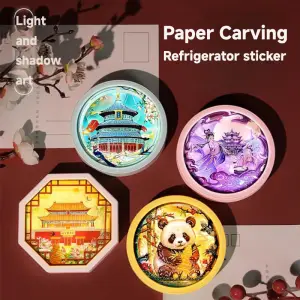
The Palace Museum Paper-Cut Light Art Fridge Magnets: Chinese Cultural Style Creative Gift Series
Price range: $27.00 through $36.00 Select options This product has multiple variants. The options may be chosen on the product pageHandwoven Zhuang Brocade Tote Bag – Large-Capacity Boho Shoulder Bag
Original price was: $178.00.$154.00Current price is: $154.00. Add to cartBambooSoundBoost Portable Amplifier
Original price was: $96.00.$66.00Current price is: $66.00. Add to cartAncient Craft Herbal Scented Bead Bracelet with Gold Rutile Quartz, Paired with Sterling Silver (925) Hook Earrings
Original price was: $322.00.$198.00Current price is: $198.00. Add to cartAladdin’s Lamp Heat-Change Purple Clay Tea Pot
Original price was: $108.00.$78.00Current price is: $78.00. Add to cartGuangxi Zhuang Brocade Handmade Tote – Ethnic Boho Large-Capacity Shoulder Bag
Original price was: $172.00.$150.00Current price is: $150.00. Add to cart