
Key takeaways
- A quality tea ceremony gift set hinges on clay type (real Yixing, Tokoname, or high-fired porcelain), not visual flash. Avoid glazed interiors if you want seasoning.
- Match the set to your drinking ritual—matcha requires a bamboo whisk and bowl, gongfu needs a small teapot and fairness pitcher. One size never fits all.
- Unbox and check for sharp edges, off-gassing, or uneven glaze. These are red flags even in mid-price sets.
- Proper care (air-dry, no soap) extends life; most ruination comes from dishwasher or detergent use.
What exactly is a tea ceremony gift set?
A tea ceremony gift set is a curated collection of tools designed for a specific preparation style—most often Japanese matcha (chasen whisk, chawan bowl, scoop) or Chinese gongfu (small Yixing or gaiwan, fairness pitcher, cups). Authentic sets prioritize function and material: unglazed clay for seasoning, bamboo for whisking, and high-fired ceramic for heat retention. Avoid sets with glued handles or painted interiors, as they can leach chemicals in hot water. The best sets show natural variations in clay or glaze rather than perfect uniformity.
Walking into a teaware shop, you might feel overwhelmed by lacquered boxes and glossy photos. I’ve unboxed over forty sets in the last two years—and the gap between marketing and reality is jaw-dropping. Let’s cut through the noise.
Tea Ceremony Gift Set vs Cheap Knockoff: 5 Material Clues That Matter
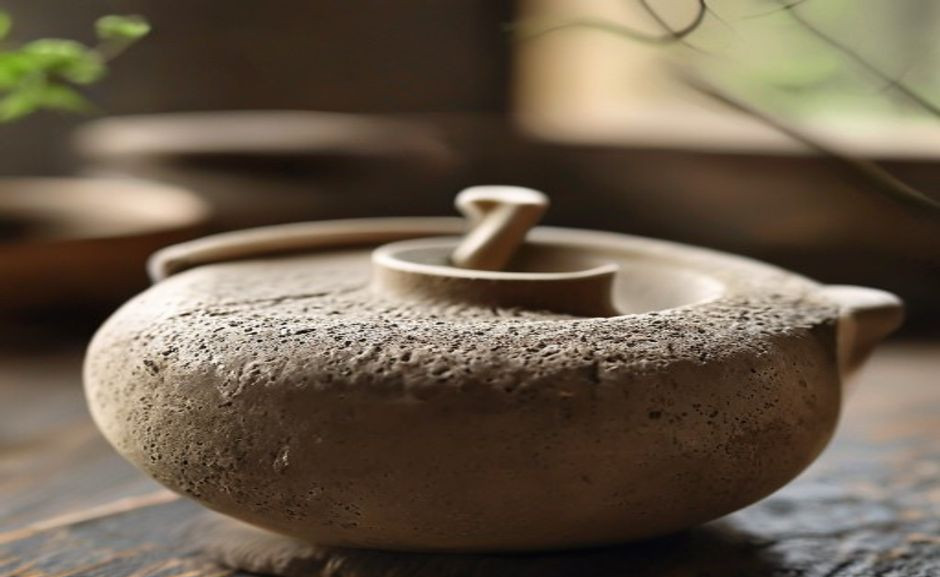
First, pick up the teapot. A genuine unglazed Yixing clay pot feels slightly rough, almost like sandstone, and has a matte sheen. Knockoffs use slip-cast clay with a shiny lacquer that peels after a few brews. Second, check the lid fit—on a good set, the lid rocks slightly (a traditional sign of hand-fitting); on a cheap set, it’s either too tight or wobbles unevenly. Third, put your nose to the pot: a faint earthy smell is fine; chemical or paint odor means it’s going to ruin your tea. Fourth, tap the cups—high-fired porcelain rings a clear, bell-like tone; earthenware thuds. Fifth, examine the whisk (if matcha style): real bamboo has visible nodes and slight color variation; plastic or painted bamboo will warp. I once bought a set from Instagram that looked stunning, but the whistle of steam from a hairline crack in the pot told me everything.
How do I care for a tea ceremony gift set without damaging it?
Never use soap or detergent—clay and unglazed ceramics absorb both residues, which ruin future brews. Instead, rinse with hot water immediately after use and air-dry upside down on a bamboo mat. For Yixing pots, rotate use between tea types (one pot for oolong, another for puer) to build seasoning. Avoid thermal shock: don’t pour boiling water into a cold pot. Store the whisk in a cool, dry place upright; bending the tines weakens them. A set that lasts decades is possible with this routine—most breakage comes from dishwashers or stacking cups without padding.
Matcha vs Gongfu: Which Tea Ceremony Gift Set Fits Your Drinking Style?
The biggest divide in tea ceremony gift sets is ritual style. Matcha sets center on a bamboo whisk, bowl, and scoop—ideal if you want a creamy, whisked beverage in under two minutes. Gongfu sets emphasize multiple short steepings in a small teapot (90-150ml) with a fairness pitcher and small cups. If you drink flavored teas or large mugs, skip gongfu—it’s built for pure leaf concentration. I’ve seen buyers buy a matcha set then complain they don’t have time to whisk; they’d have been happier with a simple gaiwan. Conversely, gongfu fans often reject matcha sets as “too fast.” Know your daily habit before the gift.
How to Spot a Well-Made Tea Ceremony Gift Set in Under 60 Seconds
Flip the teapot over. Look for a smooth, unglazed rim on the foot—glaze drips there indicate rushed production. Inside, trace your fingertip along the spout opening; if it’s razor-sharp, expect clogging or chips. The handle should have a natural curve that fits your thumb—not a generic loop. For cups, hold one up to the light: uniform translucency means high-temperature firing; cloudy spots suggest low-fire porous clay. A set that passes these checks in 60 seconds is likely made by a craft studio, not a factory line. I once tested a “handmade” set that had identical mold lines on all cups—dead giveaway of slip-casting.
What are the most common mistakes when buying a tea ceremony gift set as a present?
The top mistake is assuming more pieces equals better value. Beginners often receive a 15-piece set with a tray, but the teapot is too large for gongfu or the whisk is synthetic. Instead, buy a focused set with 4–6 high-quality items: a proper teapot, two cups, a fairness pitcher, and a cloth. Second mistake: ignoring the recipient’s tea preference. A puerh drinker needs an unglazed pot; a green-tea lover needs a gaiwan with thin porcelain. Third mistake: skipping a care card. Most recipients wash clay sets with soap and destroy seasoning. Include a simple handwritten note on hot-water-only rinsing.
The 2025–2026 Tea Aesthetic: Why Handmade Kiln-Fired Sets Are Trending Again
If you’ve browsed social media in the last six months, you’ve seen the “wabi-sabi” look—irregular glazes, visible kiln marks, even ash deposits. This isn’t a flaw; it’s a response to mass production. Buyers now seek sets with a maker’s mark or a firing certificate. I’ve handled Tokoname Kyusu pots with signature clay textures that change color after a year of use. That patina, like a patina on a leather wallet, tells a story. The trend also ties into the slow-living movement popularized by Studio Ghibli’s Whisper of the Heart and anime scenes of quiet tea rituals. If you see a set with a rough-hewn wood box and a hand-signed pot, it’s probably a studio piece, not a gift-shop filler. According to UNESCO, the art of Chinese tea preparation is recognized as an Intangible Cultural Heritage, highlighting the deep cultural roots behind these tools (see UNESCO’s listing).
Overrated or Underrated: Which Tea Ceremony Gift Set Actually Holds Heat?
Overrated: sets that include a “tea pet” figurine or fancy tongs. Those add visual noise but zero function. Underrated: a plain, single-origin clay pot paired with a simple bamboo tray. I’ve used a a meaningful price Tokoname pot for three years that outperforms a a meaningful price lacquered set because the clay breathes. Also underrated: a gaiwan with a lid that has a slight lip—it pours without spills. Overrated: any set with a built-in strainer that’s metal; it always clogs. Spend your money on the core brewing vessel, not the frills.
Tea Ceremony Gift Set Reality Check: What the Instagram Photos Don’t Show
That dreamy photo of a set on a wooden table with cherry blossoms? The pot is probably empty. Real tea ceremony gift sets need a stable surface (not a doily), a kettle spout that doesn’t drip, and a waste-water bowl that’s actually used. Also, the whisk in those photos is often brand-new; after a few uses, the tines spread and soften. That’s normal. The reality is that a set used daily will develop patina, scratches, and a smell of tea—that’s character. If you want a display piece, buy a separate decorative set; if you want a daily tool, accept wear within the first month.
Final Pour: One Practical Test Before You Commit
Before buying any tea ceremony gift set, ask the seller for a photo of the pot with a penny next to it—scale is often misleading online. Then request a short video of water pouring from the spout; a good pour has a single stream with no drips down the side. If they can’t provide that, move on. The best set is the one you’ll use every morning, not the one that sits untouched because it’s too precious to get wet. For a deeper look at the history of tea vessels, the British Museum’s collection offers insights into how these objects evolved over centuries (see British Museum tea wares).
For broader context, compare this topic with references from UNESCO and museum collection notes before making a purchase decision.
If you are comparing pieces for a gift, home display, or personal collection, browse the HandMyth product collection and use the details above as a practical checklist for tea ceremony gift set.
 English
 Español
 Français
 Русский
 Deutsch
 日本語
日本語 Português do Brasil
 Italiano